

What is a Dry Sludge Pneumatic Conveying System? What Are Its Design Principles?
For wastewater treatment facilities and industrial sites dealing with sludge management, the dry sludge pneumatic conveying system represents a sophisticated solution for efficient material transport. This technology enables the movement of dry sludge particles through a pipeline using air pressure, offering a dust-free and low-maintenance alternative to traditional methods. Understanding both the system's functionality and its design principles is crucial for optimizing sludge handling processes.
Understanding the Core Components of the System
The dry sludge pneumatic conveying system comprises several key components that work in tandem to ensure reliable operation. At the heart of the system is the sludge dryer, which reduces the moisture content of the sludge to a level suitable for pneumatic transport. This step is critical as high moisture content can lead to blockages and reduced system efficiency. The dryer typically uses thermal energy to evaporate water, producing a dry, free-flowing sludge that can be easily conveyed.
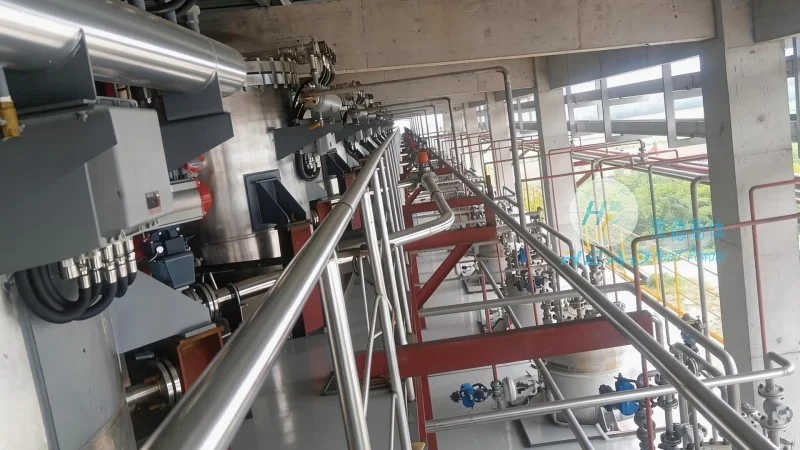
Next, the conveying pipeline forms the main transport route. These pipelines are usually made of durable materials such as stainless steel or PVC to withstand the abrasive nature of dry sludge and the effects of air pressure. The design of the pipeline includes bends, valves, and check valves to control the flow direction and prevent backflow. The air compressor, another essential component, generates the necessary air pressure to move the sludge particles through the pipeline. The compressor's capacity and pressure rating are tailored to the system's requirements, ensuring consistent performance.
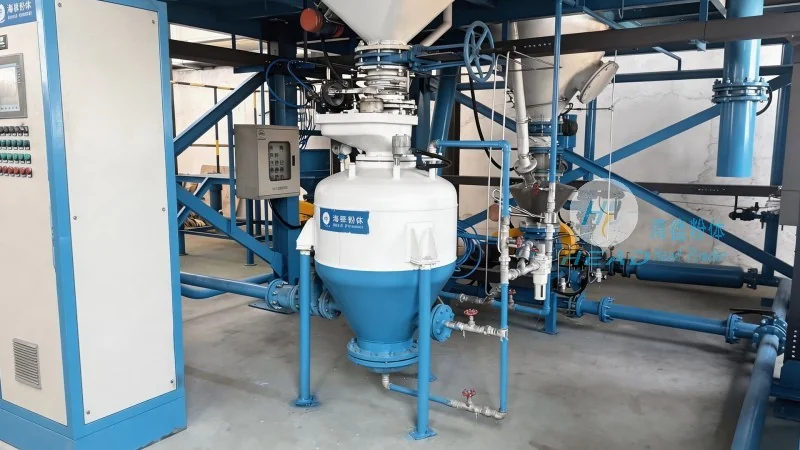
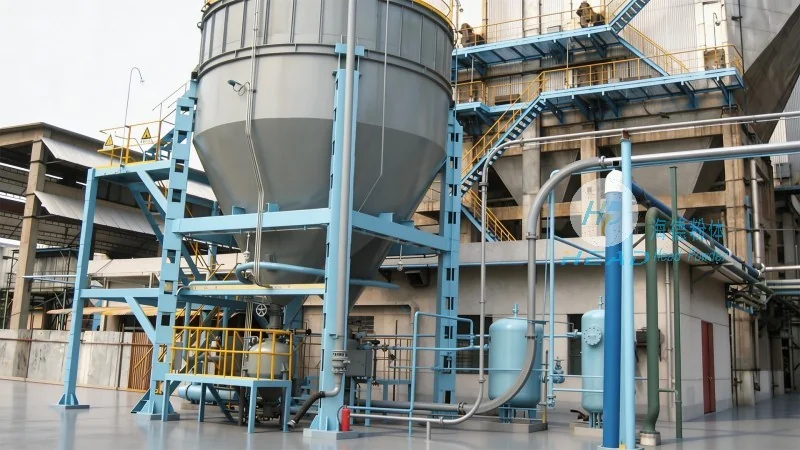
The system also includes a receiver or destination tank where the conveyed sludge is deposited. This tank is equipped with filters and cyclones to separate any remaining air from the sludge, ensuring a clean discharge. Additionally, the system may incorporate monitoring equipment such as pressure sensors and flow meters to track performance and detect any issues in real-time.
Design Principles and Operational Mechanics
The design of a dry sludge pneumatic conveying system is guided by several fundamental principles to maximize efficiency and reliability. The first principle is the balance between air velocity and particle size. The air velocity must be sufficient to lift and transport the sludge particles without causing excessive wear on the pipeline or equipment. This is achieved by calculating the appropriate air flow rate based on the sludge's density, moisture content, and particle size distribution.
Another critical principle is the prevention of blockages. Blockages can occur due to the accumulation of particles in the pipeline, especially at bends or narrow sections. To mitigate this, the system incorporates features such as pulse jets or air cannons that periodically clear the pipeline by creating a high-pressure air pulse. This ensures continuous operation and reduces downtime.
The system's design also considers energy efficiency. By optimizing the air compressor's operation and minimizing pressure losses in the pipeline, the system can operate with lower energy consumption. This not only reduces operational costs but also aligns with sustainability goals. The use of variable frequency drives (VFDs) on the compressor allows for dynamic adjustment of the air flow, further enhancing energy efficiency.
The Role of HeadPowder in Engineering These Systems
Shandong HeadPowder Engineering Co., Ltd., a leading provider of sludge handling solutions, specializes in designing and manufacturing dry sludge pneumatic conveying systems tailored to the specific needs of clients. With a strong focus on engineering excellence and customer satisfaction, HeadPowder leverages advanced technology and years of industry experience to deliver high-quality systems that meet the most demanding requirements.
HeadPowder's engineers work closely with clients to understand their operational challenges and process specifications. This collaborative approach ensures that the final system design is optimized for efficiency, reliability, and cost-effectiveness. The company's facilities in Shandong, China, are equipped with state-of-the-art manufacturing equipment and quality control processes, ensuring that every component meets the highest standards.
HeadPowder's commitment to innovation is evident in its use of cutting-edge materials and design techniques. For example, the company may incorporate advanced materials such as corrosion-resistant alloys in the pipeline construction to extend the system's lifespan. Additionally, the company invests in research and development to improve system performance, such as developing more efficient dryers or optimizing air compressor designs.
Key Advantages and Practical Applications
The dry sludge pneumatic conveying system offers several advantages over traditional sludge handling methods. One of the primary benefits is the ability to transport dry sludge over long distances without the need for intermediate storage or processing. This reduces the overall footprint of the sludge handling facility and minimizes the risk of environmental contamination.
Another advantage is the dust-free operation. Unlike traditional methods that involve handling wet sludge, the dry system eliminates the generation of dust and odors, creating a safer working environment for personnel. This is particularly important in industrial settings where air quality is a concern.
The system also provides flexibility in terms of layout and integration. The pipeline can be installed in various configurations, including vertical, horizontal, or a combination of both, to suit the site's topography and space constraints. This flexibility allows for seamless integration with existing infrastructure, minimizing disruption during installation.
Practical applications of the dry sludge pneumatic conveying system include the transport of dry sludge from treatment plants to disposal sites, the delivery of sludge to composting facilities, and the transfer of sludge between different processing stages. In each case, the system's efficiency and reliability contribute to improved operational performance and reduced costs.