

What is a Desulfurization and Dust Removal Ash Pneumatic Conveying System? What Are Its Design Princ
Desulfurization and dust removal processes in power plants and industrial facilities generate large volumes of ash and sludge that require efficient handling and disposal. The pneumatic conveying system is a critical component in managing these byproducts, ensuring safe and reliable transport from the source to storage or treatment facilities. This article explores the concept of a desulfurization and dust removal ash pneumatic conveying system, detailing its design principles and operational benefits.
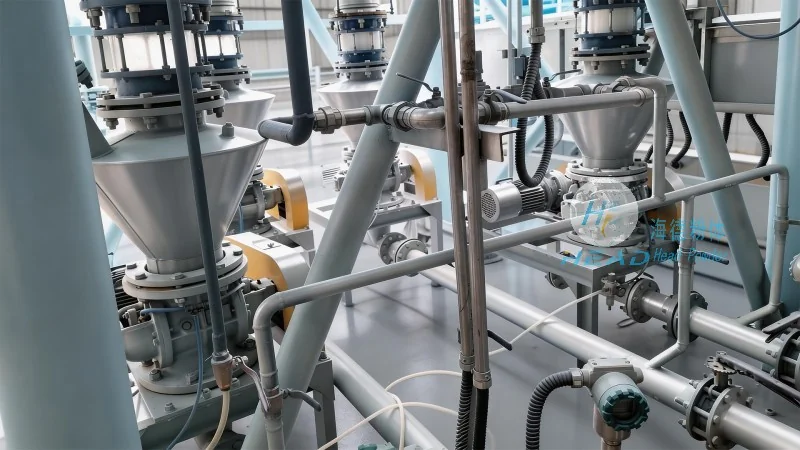
Introduction to Desulfurization and Dust Removal Ash Pneumatic Conveying
In industrial settings, particularly in coal-fired power plants, flue gas desulfurization (FGD) and dust removal systems produce significant amounts of solid waste, commonly referred to as FGD ash or dust. These materials are typically fine, abrasive, and can be corrosive, making traditional handling methods like belt conveyors or trucks inefficient and costly. Pneumatic conveying systems offer a solution by using air to transport these materials through pipelines, reducing the need for mechanical components and minimizing environmental impact.
Key Components of the Pneumatic Conveying System
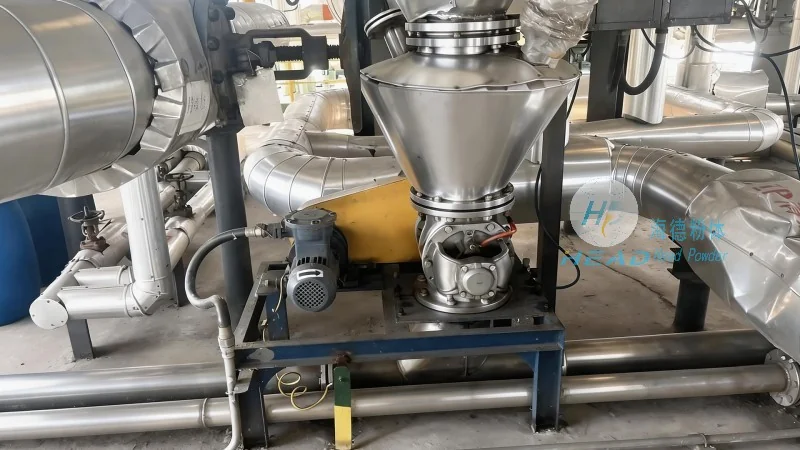
The desulfurization and dust removal ash pneumatic conveying system consists of several key components that work in tandem to ensure efficient material transport. These include the material feed hopper, which holds the ash and dust; the air compressor or blower, which generates the necessary air pressure; the conveying pipeline, which transports the material; and the discharge hopper or silo, where the material is collected. Each component is designed to handle the specific characteristics of FGD ash, such as its fineness and moisture content, to prevent blockages and ensure smooth operation.
Design Principles for Efficient Pneumatic Conveying
The design of a pneumatic conveying system for desulfurization and dust removal ash is based on several fundamental principles to maximize efficiency and reliability. One of the primary principles is the selection of the appropriate air velocity and pressure. The air velocity must be high enough to keep the material suspended in the pipeline but not so high as to cause excessive wear on the equipment or increase energy consumption. The pressure is typically maintained at a level that ensures the material is conveyed without clogging the system.
Another critical design principle is the selection of the right pipeline diameter and material. The diameter is determined based on the volume of material to be conveyed and the air velocity required. Larger diameters are used for higher material volumes and lower velocities, while smaller diameters are suitable for lower volumes and higher velocities. The pipeline material is often chosen to be corrosion-resistant, such as stainless steel or special alloys, to withstand the acidic and abrasive nature of the ash.
Operational Benefits and Applications
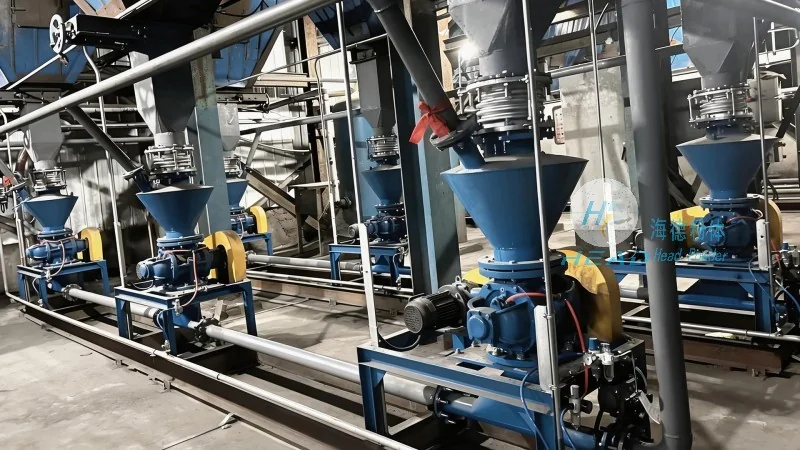
The desulfurization and dust removal ash pneumatic conveying system offers several operational benefits, making it a preferred choice for industrial facilities. These benefits include reduced labor costs, as the system can operate continuously without the need for manual handling; improved safety, as the material is contained within the pipeline, minimizing exposure to workers; and enhanced environmental performance, as the system reduces dust emissions and prevents contamination of the surrounding environment.
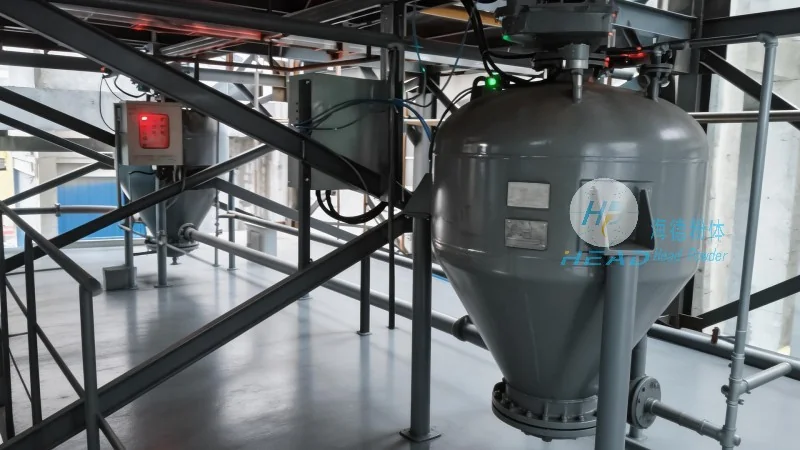
These systems are widely used in various applications, including the transport of FGD ash from the scrubbers to storage silos, the transfer of ash to landfills or recycling facilities, and the handling of other fine powders in industrial processes. The flexibility of pneumatic conveying allows it to be integrated into existing plant layouts, adapting to the specific needs of each facility.
Conclusion
Desulfurization and dust removal ash pneumatic conveying systems are essential for the efficient management of byproducts from industrial processes. By understanding the design principles and operational benefits of these systems, facilities can optimize their material handling operations, reduce costs, and improve overall environmental performance. As a leading provider in this field, Shandong HeadPowder Engineering Co., Ltd., based in Shandong, China, specializes in designing and manufacturing customized pneumatic conveying solutions tailored to the unique requirements of each client.