

What is an arsenic trioxide pneumatic conveying system? What are its design principles?
Arseic trioxide, also known as arsenic trioxide (As₂O₃), is a toxic inorganic compound widely used in various industrial applications, including the production of other arsenic compounds, pharmaceuticals, and as a catalyst. The safe and efficient transportation of this hazardous material is critical for industrial operations. A pneumatic conveying system is a method of transporting bulk materials through a pipeline using air or other gas as the conveying medium. This article explores the concept of an arsenic trioxide pneumatic conveying system, its design principles, and the key considerations for its implementation.
About HeadPowder Engineering Co., Ltd.
HeadPowder Engineering Co., Ltd., a company based in Shandong, China, specializes in the design, manufacturing, and installation of advanced material handling systems. With years of experience in the field, HeadPowder provides tailored solutions for the safe and reliable transport of hazardous materials like arsenic trioxide. The company's expertise lies in integrating robust engineering principles with practical application to ensure compliance with safety standards and operational efficiency.
What is a Pneumatic Conveying System?
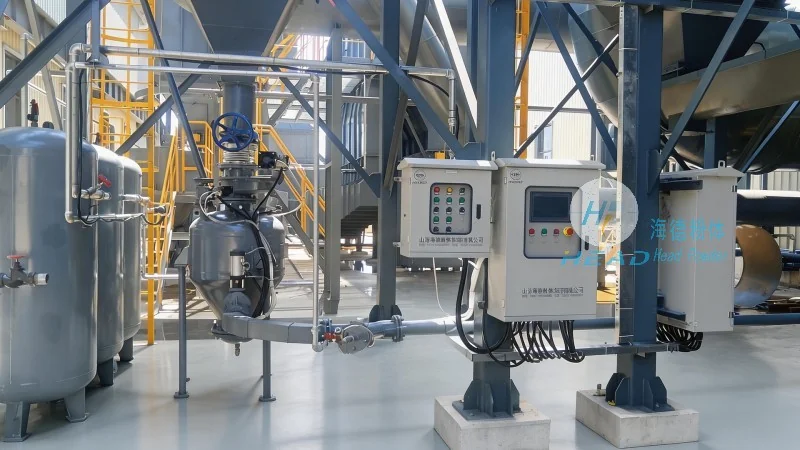
A pneumatic conveying system utilizes air or gas to move bulk materials through a closed pipeline. This method is particularly suitable for transporting powders and granules, including toxic substances like arsenic trioxide, due to its ability to minimize exposure risks and maintain material integrity. The system typically consists of a hopper for material storage, a feeder to control the flow rate, a pipeline for material transport, and a receiver for material discharge. The conveying medium, often compressed air, is introduced at one end of the pipeline, creating a pressure differential that propels the material forward.
Design Principles of an Arsenic Trioxide Pneumatic Conveying System
The design of an arsenic trioxide pneumatic conveying system must adhere to stringent safety and operational standards due to the hazardous nature of the material. Key design principles include:
- Material Compatibility: All components of the system, including hoppers, pipelines, and valves, must be constructed from materials that are resistant to corrosion and chemical attack from arsenic trioxide. Stainless steel, special alloys, or lined components are commonly used to prevent material degradation and ensure long-term durability.
- Pressure and Flow Control: Precise control of air pressure and flow rate is essential to maintain consistent material transport and prevent blockages or excessive wear. Variable frequency drives (VFDs) and pressure sensors are often integrated to regulate the conveying process dynamically.
- Safety and Containment: The system must incorporate robust safety features to prevent leaks and exposure. This includes sealed hoppers, explosion-proof components, and emergency shut-off valves. Additionally, the system should be designed to minimize dust generation and provide effective filtration and ventilation to protect personnel and the environment.
- Energy Efficiency: Optimizing the system for energy efficiency is crucial for cost-effectiveness and sustainability. This involves selecting appropriate air velocities, pipeline diameters, and conveying distances to minimize energy consumption while maintaining reliable performance.
Key Components and Their Functions
An arsenic trioxide pneumatic conveying system comprises several critical components, each playing a vital role in the overall operation:

- Material Hopper: The hopper serves as the storage vessel for arsenic trioxide. It is designed with a sloped bottom to facilitate material flow and may include a rotary valve or gate valve to control the discharge rate. The hopper is typically made of corrosion-resistant materials to prevent contamination and material degradation.
- Feeder: The feeder is responsible for accurately metering the material flow from the hopper into the conveying pipeline. Common types include rotary valves, screw feeders, or vibratory feeders. The feeder must be capable of handling the specific characteristics of arsenic trioxide, such as its density and flowability, to ensure consistent and controlled feeding.
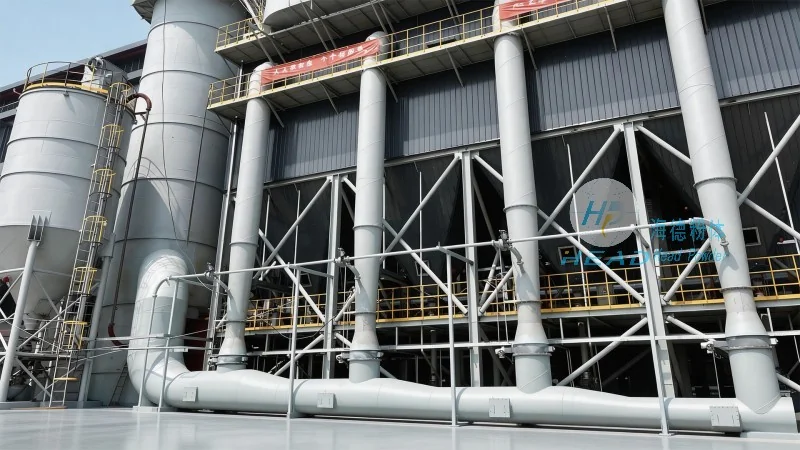
- Conveying Pipeline: The pipeline is the main transport channel for the material and air. It is usually made of stainless steel or other corrosion-resistant materials and is designed with appropriate diameter and length to accommodate the conveying requirements. The pipeline may include bends, elbows, and expansion joints to accommodate changes in direction and prevent material buildup.
- Receiver: The receiver is the final destination for the conveyed material. It is typically a hopper or storage tank where the material is collected and prepared for further processing. The receiver is equipped with a discharge valve to control the release of the material.
- Compressor and Air Treatment: The compressor generates the compressed air or gas required for conveying. Air treatment equipment, such as filters and dryers, is used to remove contaminants and moisture from the air, ensuring clean and efficient operation. The compressor and air treatment system must be sized appropriately to meet the system's air flow and pressure requirements.
Operational Considerations
Proper operation of an arsenic trioxide pneumatic conveying system requires careful attention to several factors to ensure safety, efficiency, and longevity:
- Regular Maintenance: Routine maintenance is essential to prevent system failures and maintain performance. This includes inspecting components for wear and corrosion, cleaning filters and air treatment equipment, and checking for leaks in the pipeline. Regular maintenance schedules should be established based on the system's usage and manufacturer recommendations.
- Training and Safety Protocols: Personnel operating the system must be trained on proper safety procedures and emergency response protocols. This includes understanding the hazards associated with arsenic trioxide, wearing appropriate personal protective equipment (PPE), and following established safety guidelines to minimize exposure risks.
- Monitoring and Control: Continuous monitoring of system parameters, such as pressure, flow rate, and temperature, is necessary to detect and address issues promptly. Automated control systems can help optimize the conveying process and alert operators to any deviations from normal operation.
Conclusion
An arsenic trioxide pneumatic conveying system is a critical component in the safe and efficient handling of this hazardous material. By adhering to rigorous design principles and incorporating robust safety features, such systems ensure the reliable transport of arsenic trioxide while minimizing risks to personnel and the environment. Companies like Shandong HeadPowder Engineering Co., Ltd. play a vital role in providing tailored solutions that meet the specific needs of industrial applications, contributing to the safe and sustainable use of arsenic trioxide in various industries.