

What is a Beer Brewery Pellet Air-Flow Conveying System? And What Are Its Design Principles?
Beer production is a complex process that involves various stages, from brewing to packaging. One critical aspect of this process is the handling and transportation of byproducts, such as spent grain or beer pellets. For breweries, efficient and reliable material handling is essential to maintain operational efficiency and ensure product quality. The beer brewery pellet air-flow conveying system is a specialized solution designed to address these challenges, offering a clean, low-maintenance method for transporting bulk materials. In this article, we will explore what this system entails and delve into its fundamental design principles.
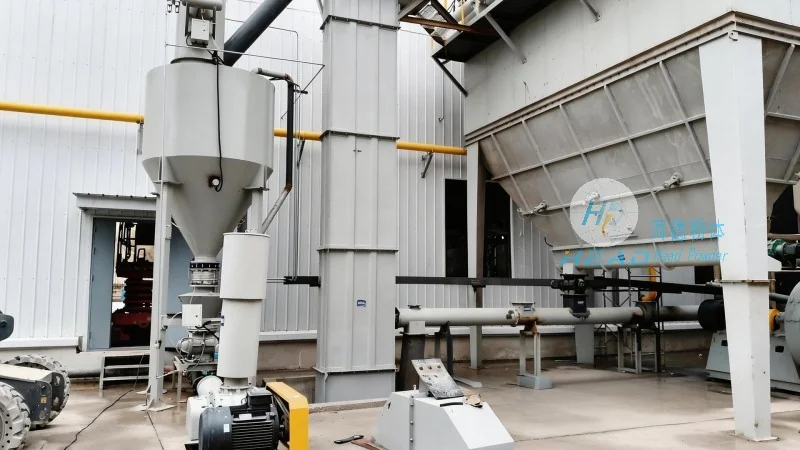
Understanding the Beer Brewery Pellet Air-Flow Conveying System
The beer brewery pellet air-flow conveying system, often referred to as pneumatic conveying, is a technology that uses compressed air to move bulk materials through a pipeline. In the context of breweries, this system is specifically tailored to handle beer pellets or spent grain, which are byproducts of the brewing process. These materials are typically dry and granular, making them ideal candidates for pneumatic transport. The system consists of several key components, including a hopper for material storage, a feeder to control the flow rate, a compressor to generate the air pressure, and a pipeline network to transport the material to its destination. The entire system operates under a controlled pressure environment, ensuring that the material is moved smoothly and without contamination.
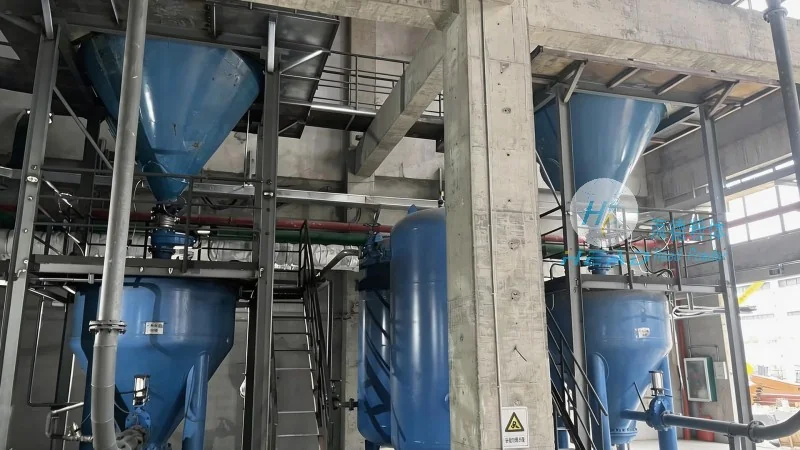
Key Components and Their Functions
Each component of the beer brewery pellet air-flow conveying system plays a crucial role in its overall performance. The hopper, or storage silo, is where the beer pellets or spent grain are stored before being conveyed. It is designed to maintain the material's quality and prevent moisture absorption, which could affect the system's efficiency. The feeder, often a rotary valve or a screw feeder, regulates the flow of material from the hopper into the pipeline. This component ensures a consistent and controlled feed rate, preventing overloading or underloading of the system. The compressor is the heart of the system, generating the necessary air pressure to move the material. It can be a positive displacement compressor or a centrifugal compressor, depending on the system's requirements. The pipeline network connects all components and transports the material from the source to the destination, such as a storage facility or a processing plant. The pipeline is typically made of stainless steel or other corrosion-resistant materials to withstand the abrasive nature of the materials being conveyed.
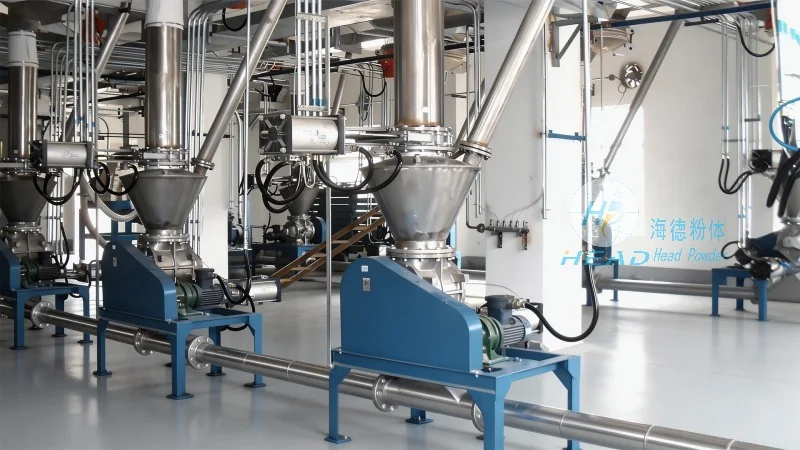
Design Principles for Optimal Performance
The design of a beer brewery pellet air-flow conveying system is based on several key principles to ensure efficiency, reliability, and cost-effectiveness. One of the primary principles is the selection of the appropriate air velocity. The air velocity must be high enough to entrain the material particles but low enough to prevent excessive wear on the pipeline and components. The system's design also considers the material's properties, such as particle size, density, and moisture content, to determine the optimal air pressure and flow rate. Another important principle is the system's layout, which should be designed to minimize the number of bends and changes in direction, as these can cause material buildup and increase energy consumption. The system also incorporates safety features, such as pressure relief valves and explosion-proof components, to ensure safe operation in a brewery environment. Additionally, the design takes into account the need for easy maintenance and cleaning, as breweries require regular upkeep to maintain hygiene standards.
Benefits of Implementing an Air-Flow Conveying System
Adopting a beer brewery pellet air-flow conveying system offers numerous benefits for breweries. First and foremost, it provides a clean and hygienic method of transporting materials, which is essential for maintaining food safety standards. Unlike traditional belt conveyors or bucket elevators, pneumatic systems do not come into direct contact with the material, reducing the risk of contamination. This is particularly important for beer pellets, which are used in various applications, including animal feed and industrial products. The system also offers high efficiency, as it can transport materials over long distances with minimal energy consumption. This results in lower operating costs and increased productivity. Furthermore, the system is compact and can be easily integrated into existing brewery infrastructure, making it a suitable solution for both new and existing facilities. The low maintenance requirements of the system also contribute to its cost-effectiveness, as it reduces downtime and maintenance expenses.
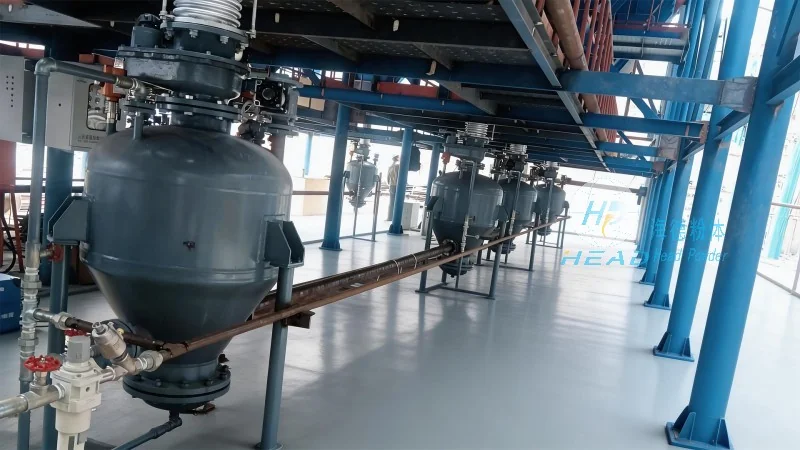
Conclusion
In conclusion, the beer brewery pellet air-flow conveying system is a sophisticated and efficient solution for handling bulk materials in breweries. Its design is based on principles that ensure optimal performance, reliability, and safety. By using compressed air to transport materials, the system offers a clean and hygienic method that meets the stringent requirements of the brewing industry. For breweries looking to improve their material handling processes, this system is a viable option that can enhance operational efficiency and product quality. As a leading provider in this field, Shandong HeadPowder Engineering Co., Ltd., based in China, specializes in designing and manufacturing such systems tailored to the specific needs of breweries. With their expertise and commitment to quality, they help breweries achieve their operational goals while maintaining the highest standards of hygiene and efficiency.