

What is a Cement Clinker Pneumatic Conveying System? What are its Design Principles?
Cement clinker, a critical intermediate product in cement manufacturing, requires efficient and reliable transport methods to move it from production sites to storage or processing facilities. The cement clinker pneumatic conveying system, developed by Shandong HeadPowder Engineering Co., Ltd., is a sophisticated solution that addresses these needs by utilizing air as the primary medium for material transport. This system is essential for modern cement plants, offering advantages such as reduced labor costs, minimized material handling risks, and enhanced operational efficiency.
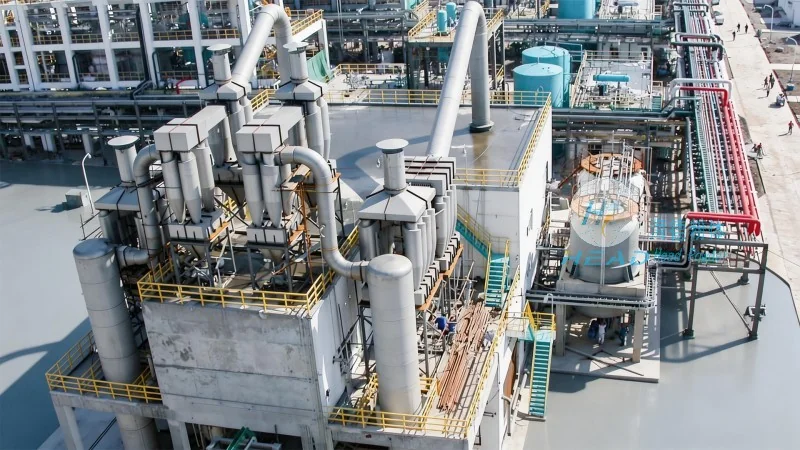
Understanding the Core Components of a Pneumatic Conveying System
A cement clinker pneumatic conveying system consists of several key components that work in tandem to ensure smooth operation. The primary components include the hopper or feed point, where clinker is loaded; the conveyor line, which may be of the dilute-phase or dense-phase type depending on the system design; the air compressor or blower, which generates the necessary air pressure; and the discharge point or silo, where the material is deposited. Additionally, the system may incorporate accessories like filters, cyclones, and pressure vessels to manage air quality and prevent material loss.
The Working Principle of Pneumatic Conveying for Cement Clinker
The fundamental principle of pneumatic conveying is the use of compressed air to create a flow that transports solid particles. In the case of cement clinker, the system operates by drawing the material into the conveyor line through a venturi or rotary valve. The air, under pressure, moves the clinker particles through the pipeline, maintaining a consistent flow rate. The velocity of the air is carefully controlled to ensure that the clinker particles remain suspended without causing excessive wear on the system components. This method allows for the efficient transport of clinker over long distances, often with minimal energy consumption compared to traditional mechanical conveyors.
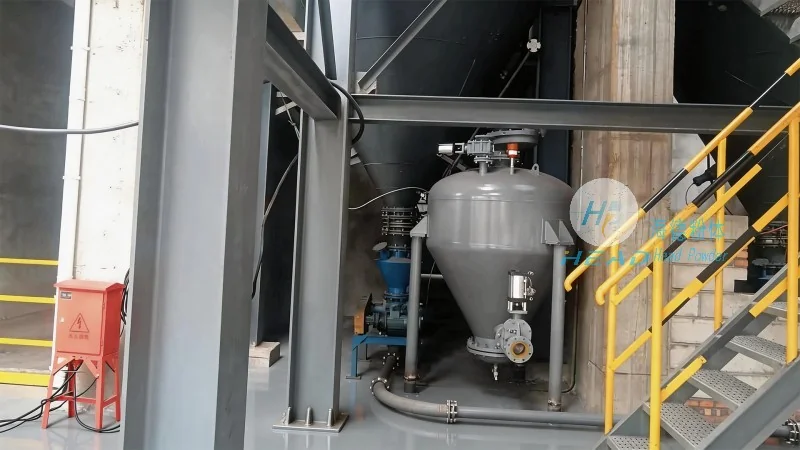
Design Principles for Optimal Performance in Cement Clinker Handling
Designing an effective cement clinker pneumatic conveying system involves several critical principles to ensure reliability and efficiency. First, the system must be designed to handle the specific characteristics of cement clinker, such as its particle size, density, and moisture content. The choice between dilute-phase and dense-phase conveying depends on these factors, as well as the required transport distance and material flow rate. Dilute-phase systems are suitable for short to medium distances and low material loads, while dense-phase systems are preferred for longer distances and higher material volumes. The system's pressure and air flow rates are optimized to maintain the desired conveying velocity, preventing blockages or material degradation.
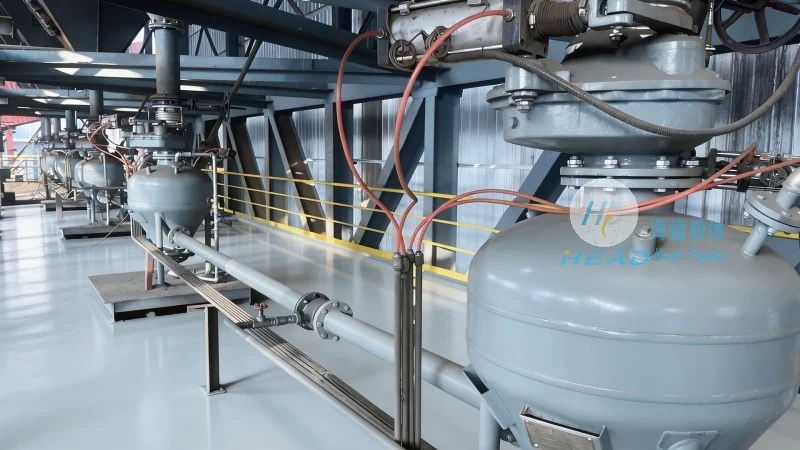
Key Considerations in System Design for HeadPowder Engineering
Shandong HeadPowder Engineering Co., Ltd. adheres to rigorous design principles when developing cement clinker pneumatic conveying systems. The company considers factors such as the plant's layout, the distance between the clinker production and storage areas, and the required material throughput. The system design also takes into account the environmental impact, ensuring that air emissions are minimized through the use of efficient filters and cyclones. Material selection for the conveyor line and components is critical, as cement clinker is abrasive and can cause wear over time. High-quality materials, such as stainless steel or special alloys, are used to extend the system's lifespan and maintain performance. Additionally, the system is designed for easy maintenance and monitoring, with built-in sensors and control panels that allow operators to adjust parameters in real-time.
Conclusion
The cement clinker pneumatic conveying system by Shandong HeadPowder Engineering Co., Ltd. represents a cutting-edge solution for efficient material handling in the cement industry. By leveraging pneumatic technology, this system offers significant advantages over traditional methods, including reduced operational costs, enhanced safety, and improved environmental performance. With careful consideration of design principles and material characteristics, the system ensures reliable and consistent transport of cement clinker, supporting the smooth operation of modern cement plants. The expertise of HeadPowder in engineering and manufacturing ensures that their systems are tailored to meet the specific needs of each client, providing a durable and efficient solution for cement clinker handling.