

What is a Ferrous Sulfate Pneumatic Conveying System? And What Are Its Design Principles?
Ferrous sulfate, a widely used chemical in various industrial applications, often requires efficient and reliable material handling solutions. The ferrous sulfate pneumatic conveying system is a specialized technology designed to transport this chemical efficiently from one location to another. This system leverages the principles of pneumatic transport to move ferrous sulfate, ensuring minimal product degradation and optimal operational performance. Developed by Shandong HeadPowder Engineering Co., Ltd., a leading provider of bulk material handling solutions, this system is engineered to meet the demanding requirements of modern industrial processes.
Understanding Pneumatic Conveying Technology
Pneumatic conveying systems utilize air or gas to transport bulk materials like ferrous sulfate. The process involves creating a pressure differential between the conveying line and the ambient environment. By introducing air into the system, the material is entrained and carried through the pipeline. This method offers several advantages over traditional mechanical conveying, including reduced equipment wear, lower maintenance costs, and the ability to handle sensitive materials without contamination. The technology is particularly suitable for ferrous sulfate, which can be hygroscopic and prone to caking, as the enclosed system prevents moisture absorption and material agglomeration.
Key Components of a Ferrous Sulfate Pneumatic Conveying System
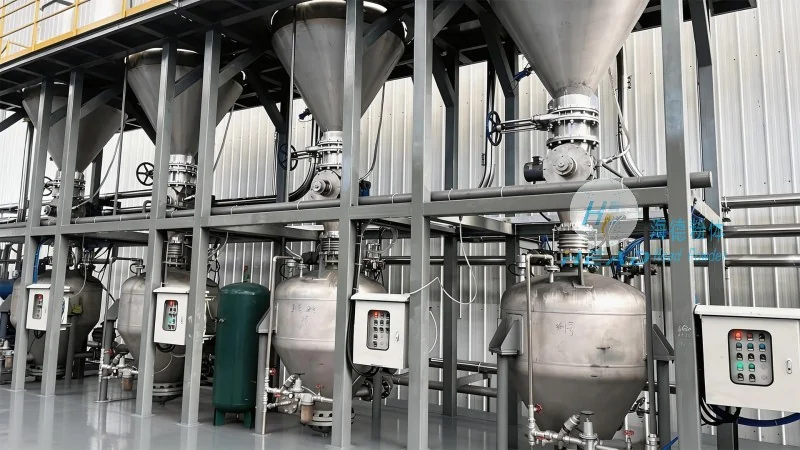
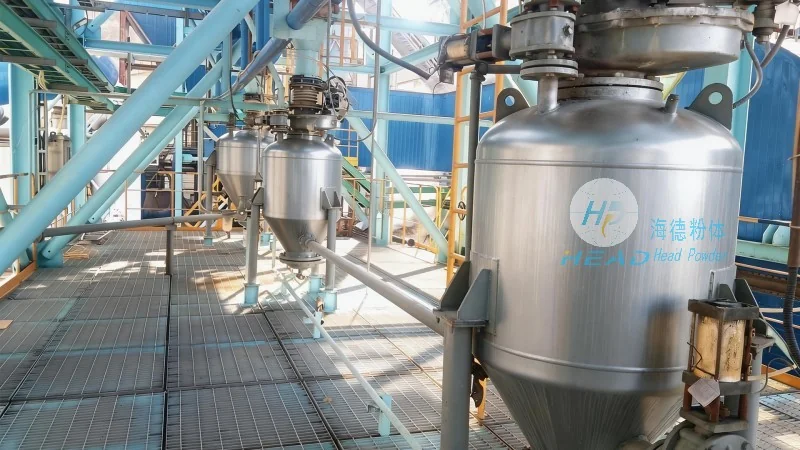
The ferrous sulfate pneumatic conveying system consists of several critical components that work in tandem to ensure smooth operation. These include the material feed hopper, which stores and feeds the ferrous sulfate into the system; the air compressor or blower, which generates the necessary air pressure; the conveying line, typically made of durable materials such as stainless steel to prevent corrosion from the chemical; and the receiving hopper or silo, where the material is deposited at the destination. Additionally, the system may incorporate control valves, filters, and dust collection equipment to maintain air quality and system efficiency. Each component is carefully selected and designed to handle the specific properties of ferrous sulfate, ensuring long-term reliability and performance.
Design Principles for Optimal Performance
The design of a ferrous sulfate pneumatic conveying system is tailored to meet specific operational requirements. Key design principles include selecting appropriate air velocity to ensure the material is fully entrained without causing excessive pressure drops or material degradation. The system's layout, including the length and diameter of the conveying line, is carefully calculated to balance efficiency and cost. For ferrous sulfate, which can be hygroscopic and prone to caking, the design may incorporate features such as heated sections or anti-caking agents to maintain material flowability. Furthermore, the system's control mechanisms, such as variable frequency drives for the air compressor, allow for adjustments based on the material's flow characteristics and the system's load, optimizing energy consumption and operational reliability. The design also considers factors like material density, particle size, and moisture content to ensure the system operates within its optimal range.

Benefits of Using a Ferrous Sulfate Pneumatic Conveying System
Implementing a ferrous sulfate pneumatic conveying system offers numerous benefits for industrial operations. The primary advantage is the enhanced efficiency in material handling, as the system can transport large quantities of ferrous sulfate over long distances with minimal labor. Additionally, the system reduces product loss and contamination, as the material remains enclosed within the conveying line. This is particularly important for ferrous sulfate, which is often used in pharmaceutical and food processing applications where purity is critical. The system also contributes to improved workplace safety by eliminating the need for manual handling of bulk materials, reducing the risk of accidents and exposure to dust. Furthermore, the modular design of these systems allows for easy integration into existing production lines and scalability to accommodate future production increases. The result is a more streamlined and cost-effective operation for businesses relying on ferrous sulfate.
Applications and Industries
Ferrous sulfate pneumatic conveying systems are widely used across various industries that rely on ferrous sulfate as a key component. These include the chemical manufacturing industry, where ferrous sulfate is used in water treatment and as a precursor for other chemicals. The pharmaceutical industry utilizes ferrous sulfate in the production of iron supplements and other medications. Additionally, the food processing industry employs ferrous sulfate as a nutritional supplement in fortified foods. In each of these applications, the pneumatic conveying system ensures consistent and reliable delivery of the material, supporting the overall production process and maintaining product quality. The system's ability to handle large volumes and long distances makes it an ideal solution for industries with high production demands and strict quality standards.