

What is a Magnesium Hydroxide Pneumatic Conveying System? What Are Its Design Principles?
Understanding the design and functionality of a magnesium hydroxide pneumatic conveying system is crucial for industries dealing with this specific chemical. This article, provided by Shandong HeadPowder Engineering Co., Ltd., aims to provide a comprehensive overview of the system, its components, and the underlying design principles that ensure efficient material handling.
Introduction to Magnesium Hydroxide Pneumatic Conveying Systems
A pneumatic conveying system is a method of transporting bulk materials through a pipeline using air or other gas as the conveying medium. For magnesium hydroxide, a common industrial chemical, such systems are essential due to the material's properties, which may include dustiness, hygroscopic nature, or the need for controlled dispersion. The system typically involves a hopper, a feeder, a conveying line, and a receiver, all working in tandem to move the material from the source to the destination.
Key Components of the System
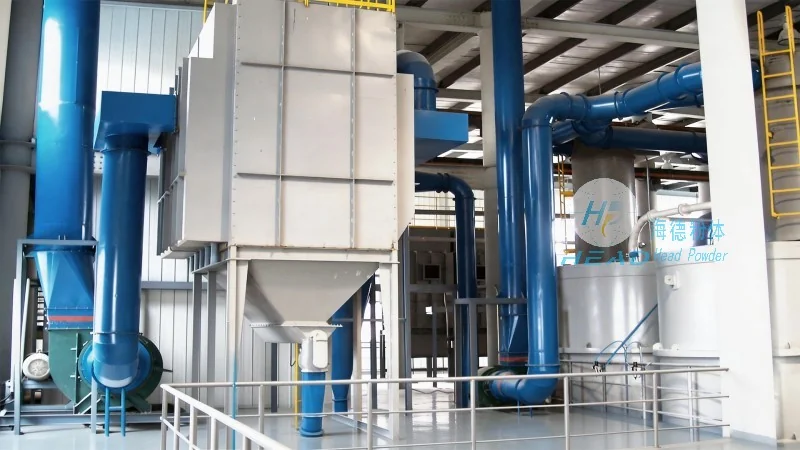
The core components of a magnesium hydroxide pneumatic conveying system include the material hopper, which stores the bulk magnesium hydroxide; a feeder, often a rotary valve or a screw feeder, that controls the flow rate of the material into the conveying line; the conveying pipeline, which can be of various diameters and lengths depending on the application; and a receiver or discharge hopper at the end of the line where the material is collected. Additionally, the system may include a dust collector to manage any airborne particles and a blower or compressor to generate the necessary air pressure for conveying.
Design Principles for Efficient Conveying
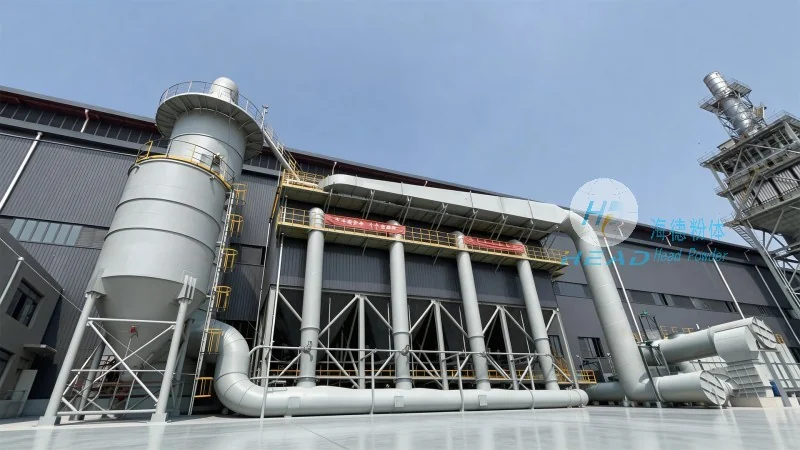
The design of a magnesium hydroxide pneumatic conveying system is guided by several key principles to ensure optimal performance. One of the primary principles is maintaining a consistent air velocity within the pipeline to prevent material settling or blockages. This is achieved by calculating the appropriate air volume and pressure based on the material's properties, such as particle size, density, and flowability. Another critical principle is the selection of appropriate equipment, such as the feeder and blower, to match the material's characteristics. For example, a rotary valve feeder is often preferred for its ability to handle abrasive materials like magnesium hydroxide without excessive wear. The pipeline design also plays a role, with considerations for bends, elbows, and the overall layout to minimize pressure drop and ensure smooth material flow.
Advantages of Using a Pneumatic Conveying System for Magnesium Hydroxide
Implementing a pneumatic conveying system for magnesium hydroxide offers several advantages over traditional methods like belt conveyors or bucket elevators. One significant benefit is the ability to handle the material in a closed system, which helps in controlling dust emissions and maintaining a clean working environment. This is particularly important for magnesium hydroxide, which can be fine and potentially hazardous if not handled properly. Additionally, pneumatic conveying systems can transport materials over longer distances with fewer transfer points, reducing the risk of material degradation and improving overall efficiency. The system also allows for precise control over the material flow rate, enabling better integration with downstream processes such as mixing or packaging.
Considerations for System Sizing and Installation
When designing a magnesium hydroxide pneumatic conveying system, several factors must be considered to ensure it meets the operational requirements. The first step is to determine the required conveying capacity, which depends on the production rate and the distance between the source and destination. The system's air pressure and volume are then calculated based on the material's properties and the pipeline layout. The selection of the blower or compressor is critical, as it must be capable of generating sufficient pressure to overcome the system's resistance, including friction losses in the pipeline and any pressure drops at bends or fittings. The material hopper and feeder must also be sized appropriately to handle the expected flow rate without causing blockages or uneven discharge. Proper installation, including the alignment of the pipeline and the positioning of the receiver, is essential to maintain system efficiency and prevent leaks or material spillage.
Maintenance and Operational Tips
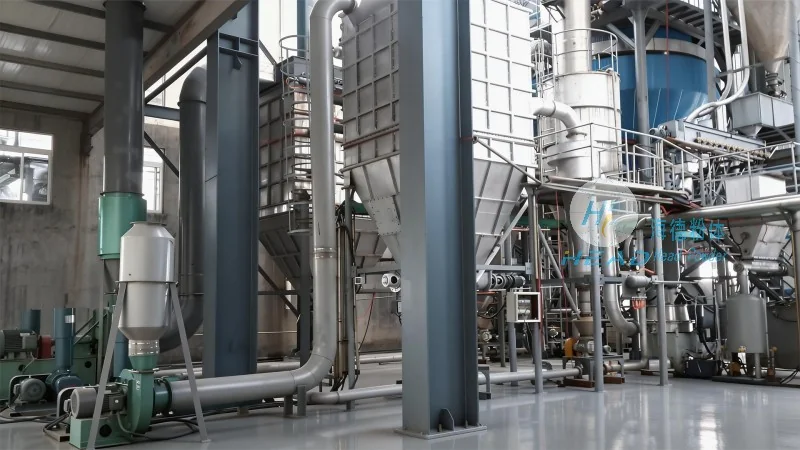
To ensure the longevity and efficiency of a magnesium hydroxide pneumatic conveying system, regular maintenance is essential. This includes checking the blower or compressor for proper operation, inspecting the pipeline for any signs of wear or blockages, and cleaning the dust collector to prevent clogging. The feeder and hopper should also be inspected periodically to ensure they are functioning correctly and not causing material buildup. Operational tips include starting the system with the feeder closed to prevent material from entering the pipeline before the air flow is established, and gradually increasing the air pressure to avoid sudden pressure surges that could damage the system components. Additionally, monitoring the system's performance, such as the pressure drop across the pipeline and the material flow rate, can help identify any issues early and prevent system downtime.
Conclusion
A magnesium hydroxide pneumatic conveying system is a sophisticated piece of equipment designed to efficiently and safely transport this important industrial chemical. By understanding the key components, design principles, and operational considerations, industries can optimize their material handling processes and improve overall productivity. The system's ability to handle the material in a closed environment, control dust emissions, and provide precise flow control makes it a preferred choice for many applications. With proper design, installation, and maintenance, a pneumatic conveying system can provide reliable and efficient service for years, contributing to the smooth operation of industrial facilities.