

What is a Metallurgical Coal Powder Pneumatic Conveying System? And What Are Its Design Principles?
Metallurgical coal powder pneumatic conveying systems are critical components in industrial processes, particularly in the metallurgical and chemical sectors. These systems are engineered to transport fine coal powders efficiently and safely over long distances, often under high pressure or vacuum conditions. Understanding the fundamental design principles behind such systems is essential for optimizing performance, ensuring reliability, and meeting stringent safety standards.
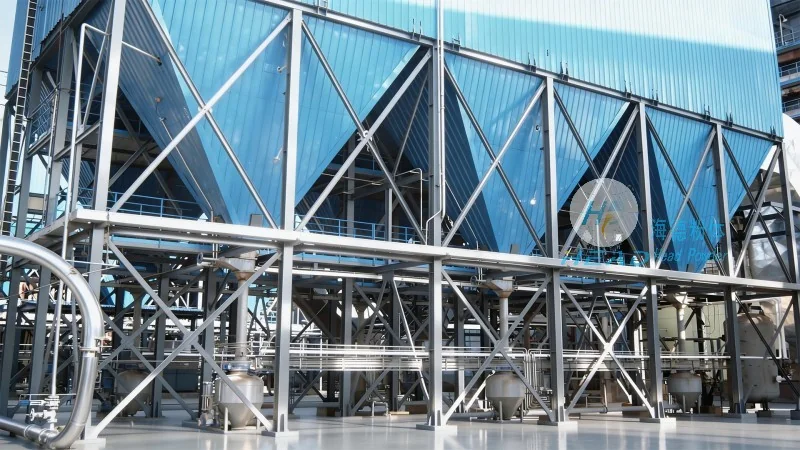
Understanding Metallurgical Coal Powder Pneumatic Conveying Systems
A metallurgical coal powder pneumatic conveying system is a specialized setup designed to handle the transportation of fine coal powders, which are typically used in steelmaking and other industrial applications. The system operates by using air or other gases to move the coal particles through a network of pipes and ducts. This method offers several advantages over traditional mechanical conveying systems, including reduced equipment wear, lower maintenance costs, and the ability to transport materials in a dust-free environment.
Key Components of the System
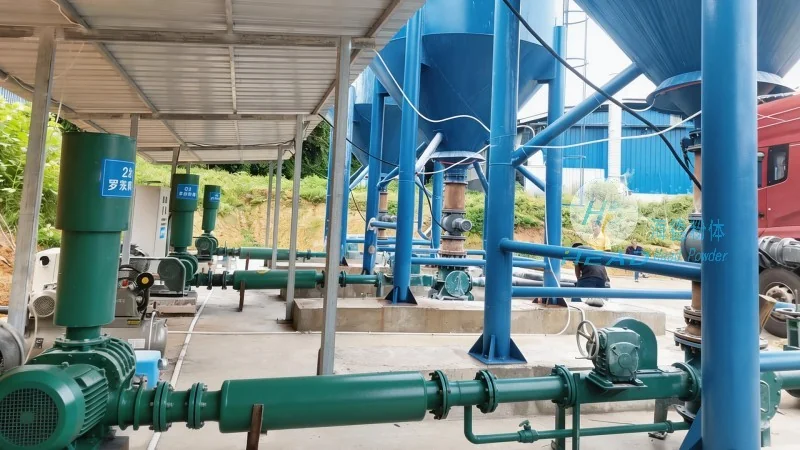
The core components of a metallurgical coal powder pneumatic conveying system include the feed hopper, the air compressor or vacuum pump, the conveying pipeline, the control valves, and the discharge equipment. The feed hopper is responsible for storing and feeding the coal powder into the system at a controlled rate. The air compressor or vacuum pump generates the necessary pressure or vacuum to move the particles through the pipeline. The conveying pipeline is typically made of materials resistant to corrosion and abrasion, such as stainless steel or special alloys, to withstand the abrasive nature of coal powders. Control valves are used to regulate the flow of air and coal powder, ensuring smooth operation and preventing blockages. The discharge equipment, such as a rotary valve or a dust collector, collects the coal powder at the end of the pipeline and transfers it to the next processing stage.
Design Principles and Considerations
The design of a metallurgical coal powder pneumatic conveying system involves several critical principles and considerations to ensure optimal performance and safety. One of the primary design principles is the selection of the appropriate conveying velocity, which must be high enough to prevent particle settling but low enough to avoid excessive wear on the pipeline and equipment. The velocity is typically determined based on the particle size, density, and flow characteristics of the coal powder. Another important consideration is the system's pressure or vacuum level, which must be sufficient to overcome the resistance in the pipeline and maintain a stable flow of material. The design also takes into account the material's moisture content and particle size distribution, as these factors can significantly impact the system's efficiency and reliability.
Advantages of Pneumatic Conveying for Metallurgical Coal
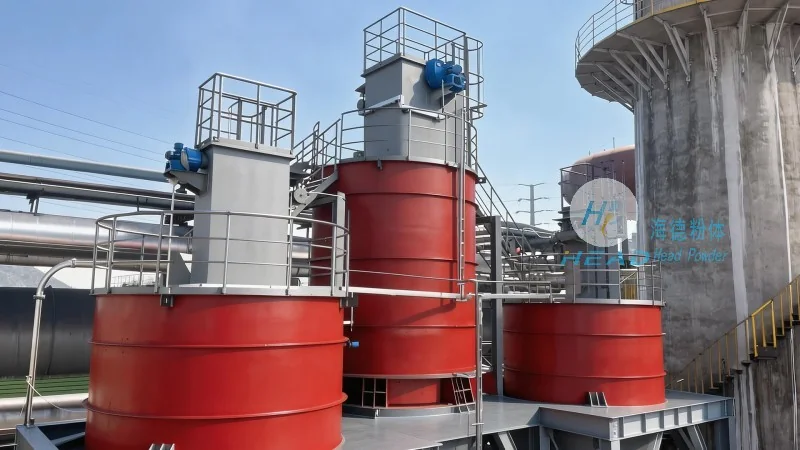
Pneumatic conveying systems offer several advantages when used for transporting metallurgical coal powders. These include the ability to handle fine and abrasive materials without the need for mechanical components that can wear out quickly. The system also provides a dust-free environment, which is crucial for maintaining safety and compliance with environmental regulations. Additionally, pneumatic conveying allows for the integration of the system with other processing equipment, such as crushers and classifiers, to form a continuous production line. This integration improves overall efficiency and reduces the risk of material loss or contamination.
Applications in the Metallurgical Industry
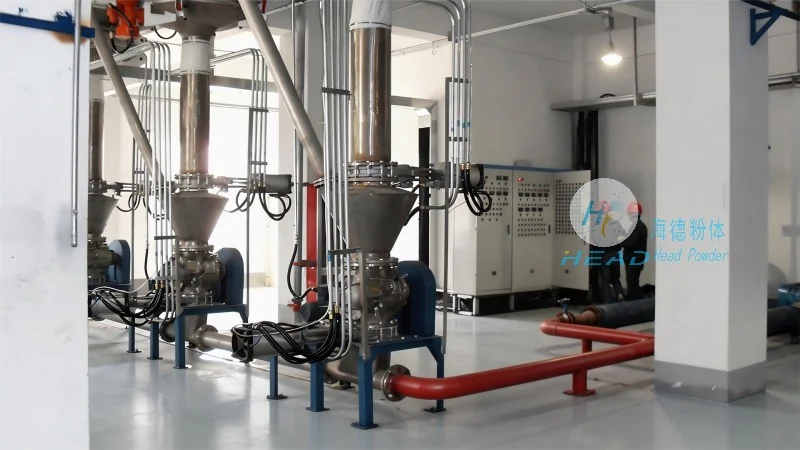
Metallurgical coal powder pneumatic conveying systems are widely used in various applications within the metallurgical industry. For example, they are used to transport coal powders from storage silos to the blast furnaces in steelmaking plants. The systems are also used in the production of coke, where coal is converted into coke, a key fuel for the blast furnace. In addition, they are used in the processing of coal-based chemicals, such as coal tar and coal gas, where the coal powder is transported to reactors and other processing units. The systems are designed to handle the high temperatures and corrosive environments typical of metallurgical processes, ensuring long-term reliability and performance.
Conclusion
In conclusion, metallurgical coal powder pneumatic conveying systems are sophisticated and efficient solutions for transporting fine coal powders in industrial applications. The design principles behind these systems, including the selection of appropriate components, conveying velocity, and pressure levels, are crucial for ensuring optimal performance and safety. As a leading provider in this field, Shandong HeadPowder Engineering Co., Ltd. specializes in the design, manufacturing, and installation of such systems, leveraging years of experience and expertise to deliver high-quality solutions tailored to the specific needs of the metallurgical industry.