

Advantages and Disadvantages of Negative Pressure vs. Positive Pressure Conveying in Sand and Soil P
When it comes to pneumatic conveying of sand and soil, selecting the right conveying method is crucial for efficiency, cost-effectiveness, and operational safety. Two primary approaches dominate the industry: negative pressure (or suction) conveying and positive pressure (or pressure) conveying. Each method has its own set of advantages and disadvantages, which must be carefully evaluated based on the specific application requirements. This article provides a detailed comparison of negative pressure versus positive pressure conveying in the context of sand and soil transport, highlighting key factors such as material handling, system design, operational costs, and environmental considerations.
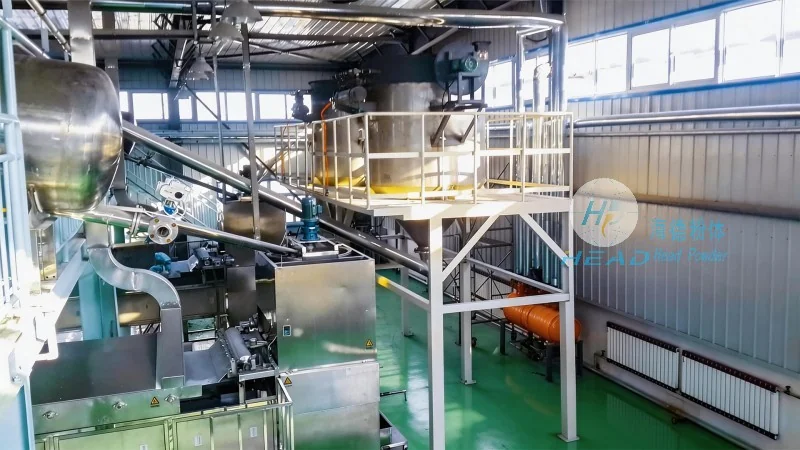
Introduction to Pneumatic Conveying for Sand and Soil
Pneumatic conveying is a widely used technique for transporting bulk materials like sand and soil over short to medium distances. It involves transporting particles in a stream of air, either by creating a vacuum (negative pressure) or by pressurizing the system (positive pressure). The choice between negative and positive pressure systems depends on several factors, including the nature of the material, the distance to be covered, the required flow rate, and the available infrastructure. Understanding the differences between these two methods is essential for optimizing the conveying process and minimizing operational challenges.
Company Overview: Shandong HeadPowder Engineering Co., Ltd.
Shandong HeadPowder Engineering Co., Ltd., a leading provider of pneumatic conveying solutions, specializes in designing and manufacturing systems tailored to the unique needs of sand and soil transport. With a strong focus on innovation and customer satisfaction, the company has established itself as a trusted partner in the industry. HeadPowder's expertise lies in developing efficient, reliable, and cost-effective conveying systems that meet the demands of various applications, from construction sites to industrial processing facilities. The company's headquarters is located in Shandong, China, where it continues to advance its technology and expand its service offerings.
Negative Pressure (Suction) Conveying: Advantages and Disadvantages
Negative pressure conveying, also known as suction conveying, operates by creating a vacuum in the conveying line to draw material from the source. This method is particularly suitable for applications where the material needs to be transported from a higher elevation to a lower one, or where the material is sensitive to pressure changes. One of the key advantages of negative pressure systems is their ability to handle fine and dusty materials without causing excessive wear on the equipment. The suction mechanism also helps in maintaining a clean environment by preventing dust from escaping into the workspace.

However, negative pressure conveying has several drawbacks. The primary limitation is the maximum conveying distance, which is typically shorter compared to positive pressure systems. The vacuum created in the system can also lead to higher energy consumption, as more power is required to maintain the vacuum level. Additionally, the system is more susceptible to blockages and clogs, especially when handling materials with high moisture content or high particle size variability. Maintenance costs can be higher due to the need for regular cleaning and replacement of filters and seals.
Positive Pressure (Pressure) Conveying: Advantages and Disadvantages
Positive pressure conveying, or pressure conveying, involves pressurizing the conveying line to push material from the source. This method is ideal for longer distances and for transporting materials that are less sensitive to pressure changes. The main advantage of positive pressure systems is their ability to handle longer conveying distances with higher flow rates. The pressurized system also reduces the risk of material spillage and dust emission, as the material is contained within the pipeline. Additionally, positive pressure conveying can handle a wider range of materials, including those with higher moisture content or larger particle sizes, without causing significant wear on the equipment.
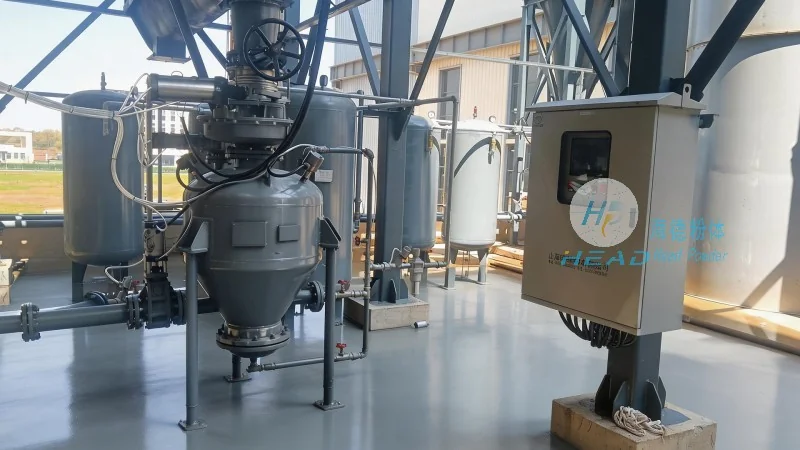
Despite these benefits, positive pressure conveying has its own set of challenges. The system requires robust components, such as high-pressure pumps and durable pipelines, which can increase the initial investment cost. The pressurized environment also poses safety risks, as the system must be properly sealed to prevent air leaks and potential explosions. Maintenance is also more complex, as the components are subjected to higher stress and wear, requiring more frequent inspections and replacements.
Key Factors to Consider When Choosing Between Negative and Positive Pressure Conveying
When deciding between negative and positive pressure conveying for sand and soil, several factors must be taken into account. The first consideration is the conveying distance and the required flow rate. For short distances and low flow rates, negative pressure systems may be more suitable due to their lower cost and simpler design. For longer distances and higher flow rates, positive pressure systems are generally preferred. The nature of the material is another critical factor. Fine, dusty materials may be better suited for negative pressure systems to minimize dust exposure, while coarser or wetter materials may benefit from positive pressure systems. Operational costs, including energy consumption and maintenance, should also be evaluated. Negative pressure systems may have lower initial costs but higher long-term energy costs, while positive pressure systems have higher initial costs but potentially lower maintenance costs. Finally, safety considerations, such as the risk of dust explosions or material spillage, must be addressed by selecting the appropriate system and implementing proper safety measures.
Conclusion
Both negative pressure and positive pressure conveying methods have their own strengths and weaknesses when it comes to sand and soil transport. The choice between the two depends on the specific application requirements, including the distance, flow rate, material properties, and operational constraints. By carefully evaluating these factors, and with the expertise of companies like Shandong HeadPowder Engineering Co., Ltd., operators can select the most suitable conveying system to optimize efficiency, reduce costs, and ensure safe and reliable operation. As the demand for efficient bulk material handling continues to grow, the understanding and application of these conveying technologies will remain critical in the industry.