

Advantages and Disadvantages of Negative Pressure vs. Positive Pressure Conveying for Magnesium Powd
Gas-solid two-phase flow technology, particularly pneumatic conveying, is essential for the efficient handling of magnesium powder. Among the various conveying methods, negative pressure and positive pressure systems represent the two primary approaches. This article provides a detailed comparison of the advantages and disadvantages of negative pressure and positive pressure conveying for magnesium powder, helping users make informed decisions based on specific operational requirements.
Introduction to Magnesium Powder Pneumatic Conveying
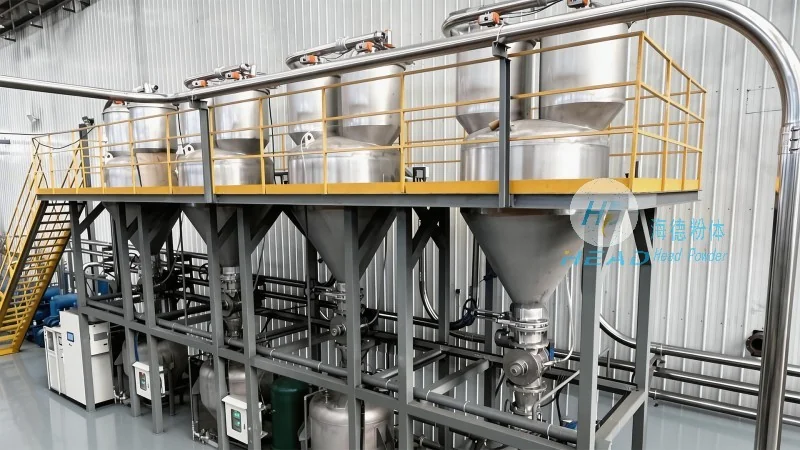
Magnesium powder, due to its light weight, low density, and potential for dust explosion, requires specialized handling methods. Pneumatic conveying systems transport powder by using air as the medium, either by creating a vacuum (negative pressure) or pressurizing the system (positive pressure). The choice between these two methods significantly impacts operational efficiency, safety, and cost. This section outlines the fundamental principles of both systems and sets the stage for a comparative analysis.
Understanding Negative Pressure Conveying
Negative pressure conveying, also known as vacuum conveying, operates by creating a lower pressure in the conveying line compared to the ambient environment. This pressure differential draws the material from the source into the system. For magnesium powder, this method is often preferred for its ability to handle fine powders and minimize product degradation. The system typically includes a vacuum pump, a hopper, and a filter to collect the conveyed material.
Advantages of Negative Pressure Conveying for Magnesium Powder
One of the key advantages of negative pressure systems is their gentle handling of delicate materials like magnesium powder. The low velocity air flow reduces the risk of particle attrition and agglomeration, preserving the powder's quality. Additionally, negative pressure conveying allows for the collection of material from multiple points, making it suitable for applications where the source is not centrally located. The system also offers better control over the conveying rate, enabling precise dosing and minimizing waste.
Disadvantages of Negative Pressure Conveying for Magnesium Powder
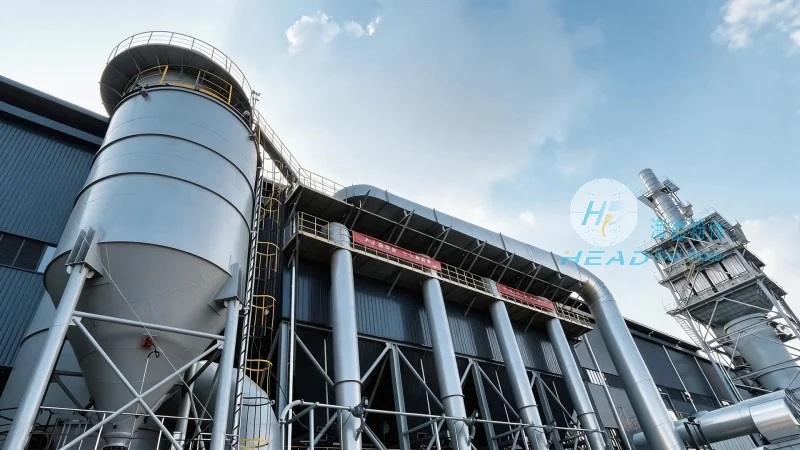
Despite its benefits, negative pressure conveying has notable drawbacks. The primary limitation is the lower conveying capacity compared to positive pressure systems. This means that for large-scale operations, the system may require more time or additional equipment to achieve the desired throughput. Another challenge is the potential for air leakage, which can lead to dust contamination in the surrounding environment and affect workplace safety. Furthermore, the vacuum pump and associated components require regular maintenance to ensure optimal performance and prevent breakdowns.
Understanding Positive Pressure Conveying
Positive pressure conveying, or pressure conveying, operates by pressurizing the conveying line above atmospheric pressure. Compressed air or gas is used to push the material through the system. This method is generally more suitable for handling larger particles and bulkier materials but can also be adapted for magnesium powder applications, especially when high throughput is required.
Advantages of Positive Pressure Conveying for Magnesium Powder
Positive pressure systems excel in terms of conveying capacity and speed. The higher air pressure allows for the rapid movement of magnesium powder, making them ideal for high-volume production lines. They also offer better control over the flow rate, enabling consistent material delivery to downstream processes. Another advantage is the reduced risk of product degradation due to the higher air velocity, which can help maintain the powder's purity and prevent caking.
Disadvantages of Positive Pressure Conveying for Magnesium Powder
However, positive pressure conveying has its own set of challenges. The higher air pressure increases the risk of material degradation, particularly for sensitive magnesium powders that may be prone to oxidation or agglomeration. The system also requires more robust equipment, such as high-pressure blowers and reinforced pipelines, which can increase initial investment costs. Additionally, positive pressure systems are less effective for handling fine powders, as the high velocity air can cause particle separation and loss of material.
Comparative Analysis: Negative Pressure vs. Positive Pressure Conveying
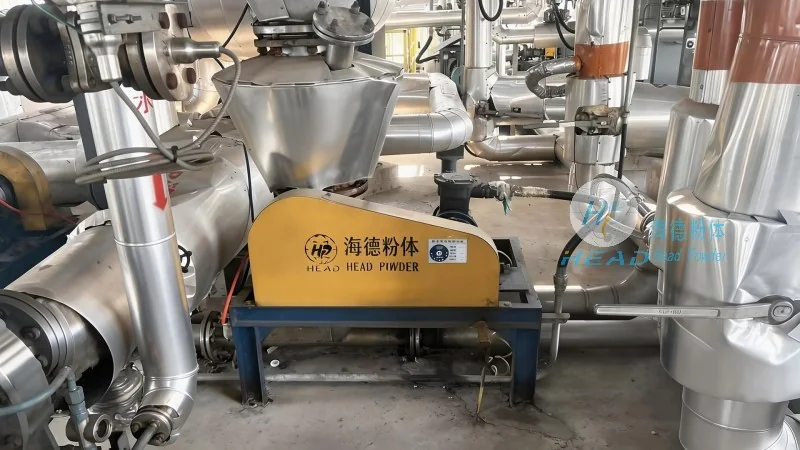
When comparing negative and positive pressure conveying for magnesium powder, several factors must be considered. Operational scale is a critical determinant: negative pressure is better suited for small to medium-scale applications with fine powders, while positive pressure is preferred for large-scale operations requiring high throughput. Safety considerations also play a role, as negative pressure systems are generally safer due to the enclosed environment and reduced dust exposure. Cost is another factor, with negative pressure systems often having lower initial costs but higher maintenance expenses, whereas positive pressure systems have higher upfront costs but lower maintenance requirements.
Conclusion and Recommendations
Both negative pressure and positive pressure conveying systems offer viable solutions for magnesium powder handling, each with distinct advantages and disadvantages. The choice ultimately depends on the specific application requirements, including material characteristics, production scale, and safety regulations. For applications involving fine magnesium powders and a need for gentle handling, negative pressure conveying is often the preferred option. Conversely, for high-volume production lines requiring rapid material transport, positive pressure systems may be more suitable. Companies should conduct thorough feasibility studies and consider long-term operational costs before selecting a conveying system. By understanding the nuances of each method, operators can optimize their magnesium powder handling processes and enhance overall efficiency.
HeadPowder, a leading provider of pneumatic conveying solutions, specializes in designing and manufacturing customized systems tailored to the unique needs of magnesium powder handling. With years of experience in the industry, HeadPowder ensures that their systems meet the highest standards of efficiency, safety, and reliability. Whether you require a negative pressure or positive pressure solution, HeadPowder offers expert consultation and support to help you choose the best conveying method for your operations. Based in Shandong, China, HeadPowder Engineering Co., Ltd. leverages advanced technology and engineering expertise to deliver innovative solutions that enhance productivity and reduce operational risks in magnesium powder processing.