

Comparison of Advantages and Disadvantages of Negative Pressure and Positive Pressure Pneumatic Conv
Shandong HeadPowder Engineering Co., Ltd. (headpowder) specializes in engineering solutions for pneumatic conveying systems, particularly in the context of fish meal handling. With a focus on optimizing material transport efficiency, the company provides technical insights into different conveying methods used in the fish meal industry.
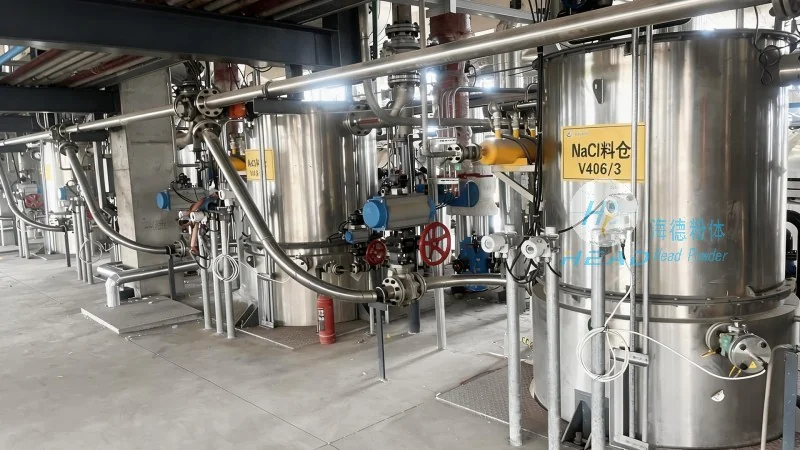
Negative Pressure Pneumatic Conveying: Advantages and Challenges
Negative pressure conveying, also known as vacuum conveying, operates by creating a lower pressure in the conveying line compared to the ambient environment. This method draws material from the source into the system using a vacuum pump. For fish meal applications, this approach offers several benefits. One key advantage is the ability to handle fine or dusty materials without the risk of product degradation from high-velocity air. The gentle handling reduces the likelihood of agglomerates breaking down, which is crucial for maintaining the quality of fish meal, especially when dealing with sensitive or high-value products. Additionally, negative pressure systems are often more energy-efficient for short to medium-distance transport, as they require less power to maintain the vacuum compared to high-pressure systems. The closed-loop design also minimizes dust emissions, contributing to better environmental control and compliance with regulatory standards. However, negative pressure conveying has its limitations. The primary challenge is the maximum conveying distance, which is typically limited to around 50-100 meters due to the pressure drop and the need to maintain sufficient vacuum. This constraint makes it less suitable for large-scale or long-distance fish meal transport. Another drawback is the potential for air leakage, which can lead to product loss or contamination if the system is not properly sealed. Furthermore, the equipment required, such as vacuum pumps and high-quality filters, can be more expensive upfront compared to positive pressure systems, increasing the initial investment cost.
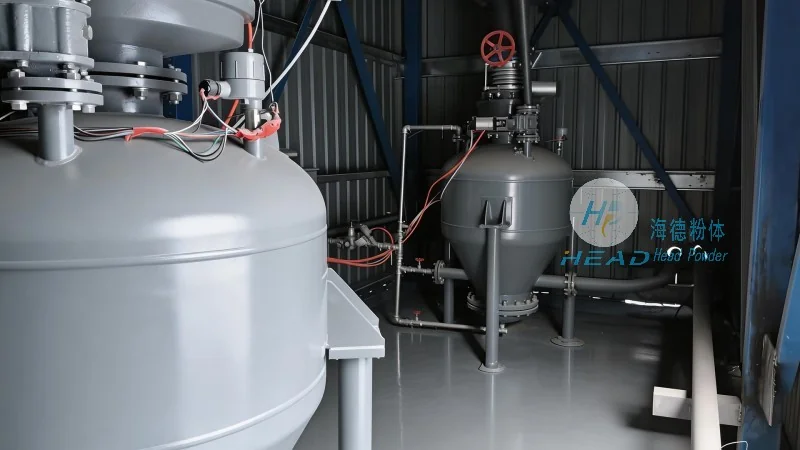
Positive Pressure Pneumatic Conveying: Benefits and Considerations
Positive pressure conveying, or pressure conveying, works by forcing air or gas through the conveying line at a higher pressure than the ambient environment. This method pushes material from the source into the system using a positive pressure blower or compressor. In fish meal applications, positive pressure systems excel in long-distance transport, with distances up to several hundred meters or more being feasible. This makes them ideal for large-scale operations where fish meal needs to be moved from storage silos to processing facilities or packaging lines over extended distances. The high pressure also allows for the transport of larger particles or bulkier materials without the risk of clogging, as the air velocity is sufficient to keep the material in suspension. Another advantage is the ability to handle abrasive or corrosive materials, as the system can be designed with durable components to withstand the higher pressures and potential wear. Positive pressure conveying is generally more reliable for continuous operation, as the system can maintain consistent pressure without the need for constant vacuum adjustments. However, this method has its own set of challenges. The most significant drawback is the higher energy consumption compared to negative pressure systems, especially for long-distance transport. The continuous operation of high-pressure blowers requires more power, increasing operational costs over time. Additionally, positive pressure systems are more prone to dust emissions, as the high-velocity air can escape from the system, leading to environmental concerns and potential regulatory issues. The equipment, including high-pressure blowers and robust pipelines, is also more expensive to install and maintain, with higher replacement costs for wear parts. Furthermore, the system design must account for pressure drop due to friction and bends, requiring larger diameter pipes or additional boosters to maintain efficiency over long distances.
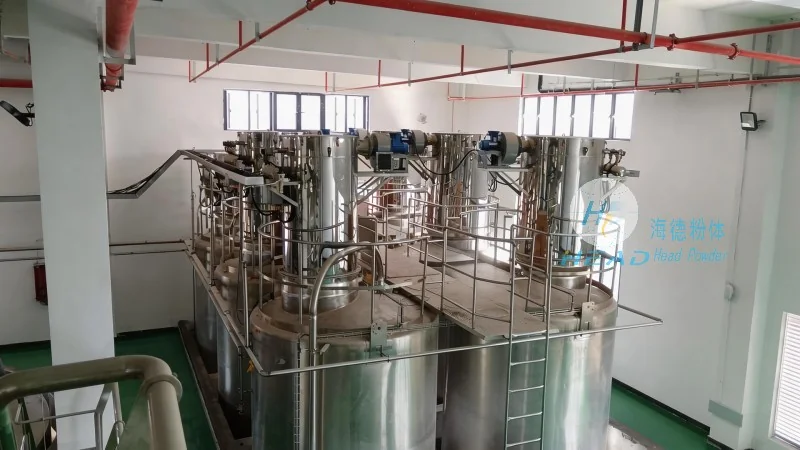
Comparative Analysis: Choosing the Right Conveying Method for Fish Meal
When selecting between negative and positive pressure pneumatic conveying for fish meal, several factors must be considered to optimize performance and cost. The primary decision point is the distance of material transport. For short to medium distances (typically under 100 meters), negative pressure conveying is often the more economical and efficient choice due to lower energy consumption and simpler equipment. It is particularly suitable for handling fine fish meal powders where product quality and dust control are critical. Conversely, for long-distance transport (over 100 meters) or large-scale operations requiring continuous, high-volume movement, positive pressure conveying is the preferred option, despite higher energy costs and equipment expenses. The choice also depends on the material characteristics: if the fish meal is highly sensitive to air flow or prone to agglomeration, negative pressure is preferable to avoid degradation. If the material is coarse or abrasive, positive pressure may be more suitable to prevent clogging and ensure consistent flow. Environmental considerations play a role as well; negative pressure systems offer better dust containment, making them ideal for indoor or enclosed facilities, while positive pressure systems may require additional filtration and emission control measures. Ultimately, the optimal conveying method for fish meal is determined by a balance of operational requirements, cost constraints, and product quality standards. By understanding the advantages and limitations of each system, fish meal producers can make informed decisions to enhance their material handling processes and improve overall efficiency.