

Comparison of Advantages and Disadvantages of Negative Pressure and Positive Pressure Pneumatic Conv
HeadPowder, a leading engineering firm based in Shandong, China, specializes in the design and implementation of pneumatic conveying systems for various industrial materials, including silica fume. The choice between negative pressure and positive pressure systems is a critical decision for industries handling fine powders like silica fume, as each method presents distinct advantages and disadvantages that impact operational efficiency, safety, and cost.
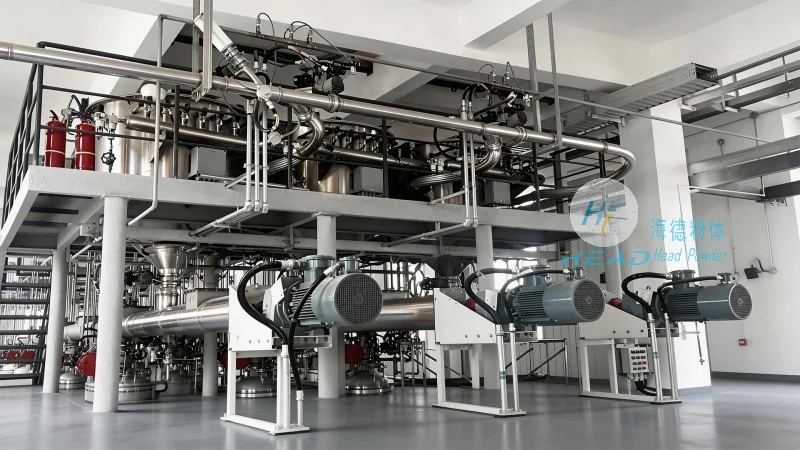
Understanding Pneumatic Conveying Systems for Silica Fume
Pneumatic conveying is a widely used technique for transporting bulk materials such as silica fume through a pipeline using air or gas. This method offers several benefits over traditional mechanical conveying, including reduced equipment wear, lower maintenance requirements, and the ability to transport materials over long distances without the need for intermediate storage. However, the effectiveness of pneumatic conveying depends heavily on the system design, particularly whether it operates under negative pressure or positive pressure.
Advantages and Disadvantages of Negative Pressure Pneumatic Conveying for Silica Fume
Negative pressure (or suction) conveying systems draw material from the source into the pipeline using a vacuum created by a fan or blower at the discharge end. This method is often preferred for applications where the material is to be collected from a hopper or silo and transported to a processing unit. One of the key advantages of negative pressure systems is their ability to handle materials that are prone to dusting or re-entrainment, as the suction action helps to keep the material contained within the pipeline. Additionally, negative pressure systems are generally more cost-effective for short to medium distance conveying, as they require less powerful equipment compared to positive pressure systems.
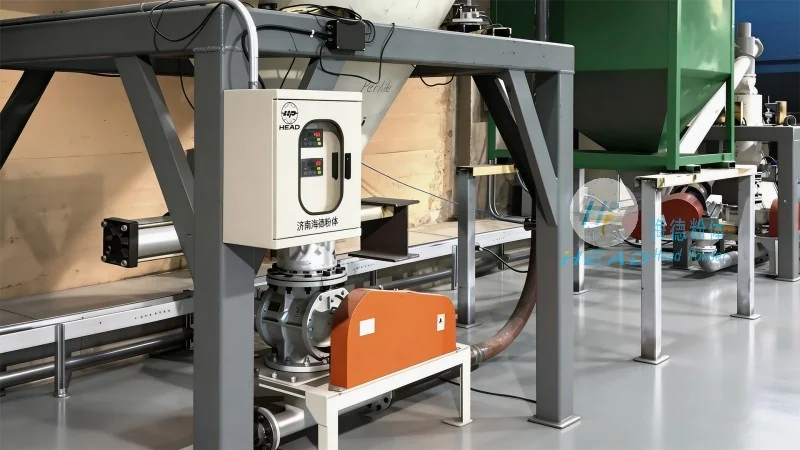
However, negative pressure systems have several limitations. The primary drawback is their lower conveying capacity compared to positive pressure systems, which can limit their use in high-volume applications. Another concern is the potential for air leakage, which can lead to material loss and reduced system efficiency. Furthermore, negative pressure systems are more susceptible to blockages caused by moisture or agglomerates, as the material is drawn into the pipeline under a vacuum, making it harder to clear clogs.
Advantages and Disadvantages of Positive Pressure Pneumatic Conveying for Silica Fume
Positive pressure (or pressure) conveying systems force material through the pipeline using a fan or blower at the inlet, creating pressure within the system. This method is typically used for long-distance conveying or when the material needs to be transported from a processing unit back to a storage silo. A significant advantage of positive pressure systems is their higher conveying capacity, making them suitable for high-volume applications. They also offer better control over material flow, as the pressure can be adjusted to maintain consistent velocity and prevent material degradation.
Despite these benefits, positive pressure systems come with notable disadvantages. The most significant drawback is the higher capital and operational costs, as they require more powerful and robust equipment to generate the necessary pressure. Additionally, positive pressure systems are more prone to material degradation due to the higher air speeds and turbulence within the pipeline, which can affect the quality of silica fume, especially if it is used in applications where particle size and uniformity are critical. Another concern is the potential for air leakage at the inlet, which can lead to material spillage and increased maintenance needs.
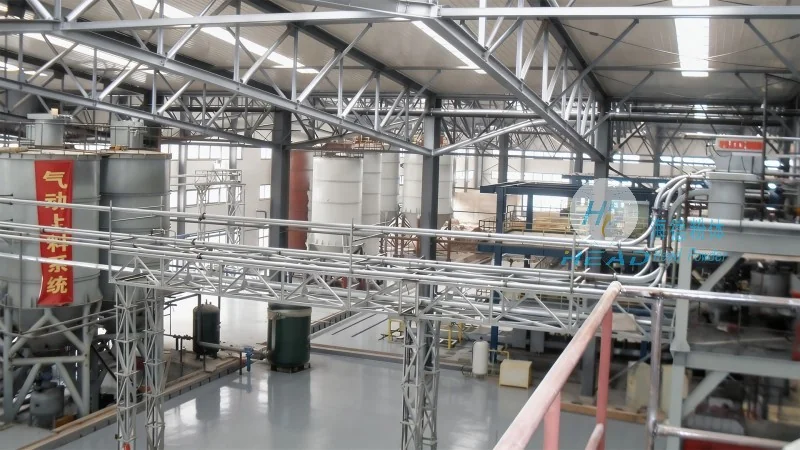
Key Considerations for Choosing Between Negative and Positive Pressure Systems
When selecting a pneumatic conveying system for silica fume, several factors must be considered to ensure optimal performance and cost-effectiveness. The distance between the source and destination is a primary factor, as negative pressure systems are generally more suitable for shorter distances, while positive pressure systems are better for longer distances. The volume of material to be conveyed also plays a crucial role, as positive pressure systems are preferred for high-volume applications. The nature of the material, including its dustiness, moisture content, and tendency to agglomerate, must also be evaluated, as negative pressure systems may be more effective for materials prone to re-entrainment.
HeadPowder, with its expertise in engineering and material handling, provides comprehensive solutions tailored to the specific needs of clients. By analyzing the operational requirements, material characteristics, and budget constraints, HeadPowder can design and implement the most suitable pneumatic conveying system, whether it is a negative pressure or positive pressure configuration. The company’s commitment to quality and efficiency ensures that clients receive systems that not only meet but exceed industry standards, providing reliable and cost-effective transportation of silica fume for their industrial processes.