

Principle and Classification Application of Soil Pneumatic Conveying
Soil pneumatic conveying is a technology used to transport soil and other bulk materials through a pipeline system using air as the conveying medium. This method offers advantages such as low cost, flexibility in layout, and the ability to handle materials that are difficult to transport by traditional methods. The working principle and classification of soil pneumatic conveying systems are crucial for understanding their application in various industries, as exemplified by the solutions provided by Shandong HeadPowder Engineering Co., Ltd., a leading provider of soil handling technologies from China.
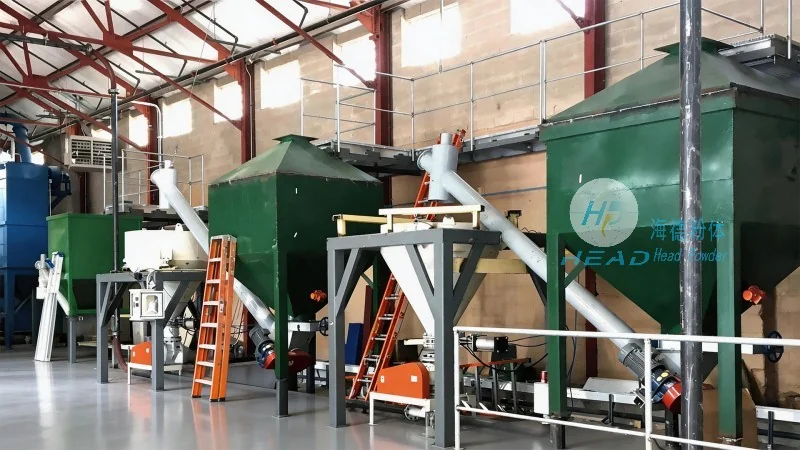
Working Principle of Soil Pneumatic Conveying
At its core, soil pneumatic conveying operates by creating a pressure differential within a pipeline. The system typically consists of a hopper for material storage, a blower or compressor to generate airflow, and a pipeline network that transports the material. The process begins when material is fed into the hopper. The blower then draws air from the hopper and forces it through the pipeline, carrying the soil particles along with the air stream. The velocity of the air is critical; it must be sufficient to overcome the gravitational force and frictional resistance of the soil particles, ensuring stable transport. The system can be either positive pressure (where the pipeline is pressurized above atmospheric pressure) or negative pressure (where the pipeline is maintained at a pressure lower than atmospheric). Positive pressure systems are often used for long-distance or high-capacity transport, as they can maintain consistent flow rates and handle abrasive materials. The blower is typically located at the inlet of the pipeline, and the system is sealed to prevent air leakage.
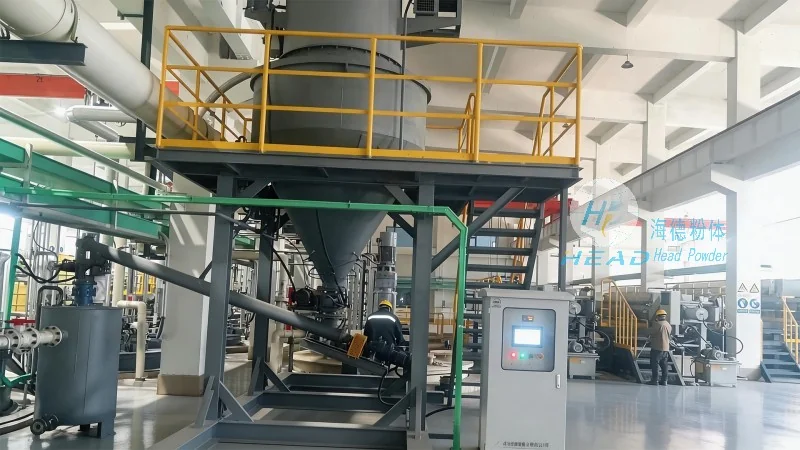
Classification of Soil Pneumatic Conveying Systems
Soil pneumatic conveying systems are categorized based on the pressure differential and the method of material transport. The primary classifications include:
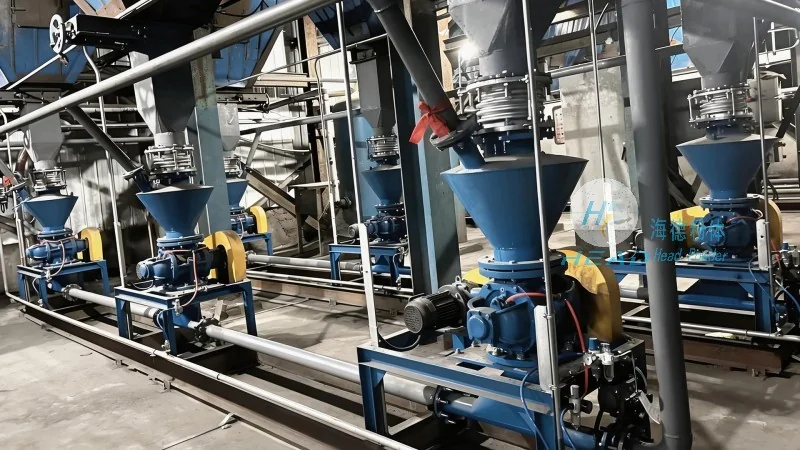
- Positive Pressure System: This system uses a blower to supply air under pressure into the pipeline. The material is drawn into the pipeline from the hopper and is carried by the high-velocity air. Positive pressure systems are ideal for transporting large quantities of soil over long distances, as they can maintain consistent flow rates and handle abrasive materials. The blower is typically located at the inlet of the pipeline, and the system is sealed to prevent air leakage.
- Negative Pressure System: In this system, a vacuum pump is used to create a low-pressure environment within the pipeline. The material is drawn into the pipeline from the hopper due to the pressure difference between the hopper (atmospheric pressure) and the pipeline (lower pressure). Negative pressure systems are commonly used for short-distance transport, such as in construction sites or small-scale soil handling operations. They are less suitable for long distances due to the limitations of vacuum pumps and the risk of dust leakage.
- Combined System: Some advanced systems combine both positive and negative pressure principles. For example, a positive pressure blower may be used to transport material from a hopper to a central point, while a negative pressure vacuum pump is used to transport material from that point to a final destination. This hybrid approach allows for flexibility in layout and can handle varying distances and material quantities.
Application of Soil Pneumatic Conveying in Different Industries
Soil pneumatic conveying is widely applied in various industries due to its efficiency and adaptability. In the construction industry, it is used for transporting soil from excavation sites to disposal or processing areas. The system can handle large volumes of soil, reducing the need for manual labor and heavy machinery. In the environmental sector, it is employed for soil remediation projects, where contaminated soil is transported to treatment facilities. The ability to maintain a closed system helps in preventing contamination of the surrounding environment. Additionally, in the agricultural sector, soil pneumatic conveying is used for transporting soil from fields to storage or processing units, aiding in soil management and conservation.

Advantages and Considerations for Soil Pneumatic Conveying
One of the key advantages of soil pneumatic conveying is its ability to transport materials without direct contact, which reduces wear and tear on equipment and the material itself. The system is also relatively compact and can be installed in confined spaces, making it suitable for urban construction projects. However, there are considerations to keep in mind. The material being conveyed must be free of large debris that could damage the blower or pipeline. Additionally, the system requires regular maintenance to ensure the blower and pipeline are functioning optimally. The cost of the equipment and installation can be higher than traditional methods, but the long-term benefits in terms of efficiency and material handling often justify the investment.