

Principle and Classification Application of Rice Bran Pneumatic Conveying
Rice bran, a byproduct of rice milling, is a valuable material widely used in the food, feed, and cosmetic industries. Efficient and reliable material handling is crucial for processing rice bran, and pneumatic conveying systems have emerged as a preferred solution due to their ability to transport bulk materials like rice bran with minimal contamination and energy efficiency. This article provides an overview of the working principles and classification applications of rice bran pneumatic conveying systems, highlighting the technological advancements and practical implementations in industrial settings.
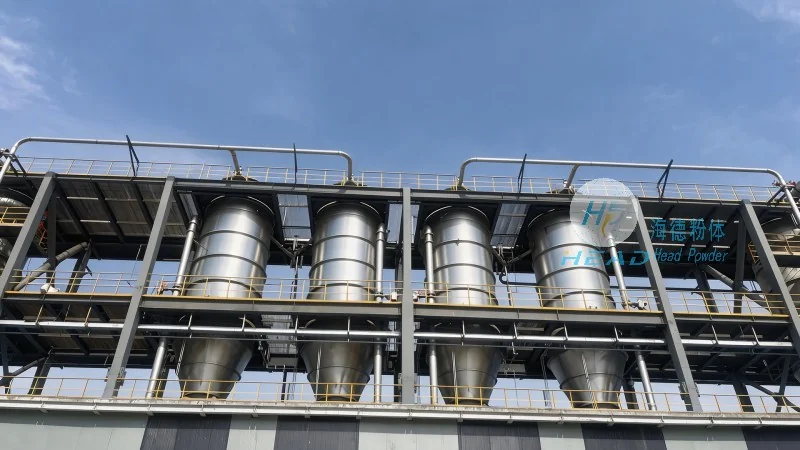
The Working Principle of Pneumatic Conveying for Rice Bran
Pneumatic conveying systems utilize air or gas to transport solid materials through a pipeline network. In the case of rice bran, the system operates by creating a pressure differential between the inlet and outlet of the conveying line. The primary components of a typical rice bran pneumatic conveying system include a hopper for material storage, a feeder to control the flow rate, a conveying line (often made of stainless steel or plastic to prevent material degradation), and a receiver for the discharged material. The system works by introducing air into the conveying line, which lifts and transports the rice bran particles through the pipeline. The air velocity is carefully controlled to ensure that the material is conveyed without causing excessive wear on the system components or material degradation. The pressure differential can be achieved through positive pressure (where air is forced into the line), negative pressure (where air is drawn out of the line), or a combination of both, depending on the specific application and system design.
Classification of Pneumatic Conveying Systems for Rice Bran
Pneumatic conveying systems for rice bran are classified based on several factors, including the pressure level, the type of air flow, and the material handling capacity. The main classifications include:
1. Positive Pressure Conveying: This system operates by forcing air into the conveying line, creating a positive pressure environment. It is commonly used for short to medium distance conveying and is suitable for transporting rice bran from storage hoppers to processing equipment. The positive pressure system ensures that the material is continuously moved through the pipeline, reducing the risk of material buildup and blockages.
2. Negative Pressure (Vacuum) Conveying: In this system, air is drawn out of the conveying line, creating a negative pressure environment. It is ideal for long-distance conveying and for applications where the material needs to be collected from multiple points and transported to a central processing unit. The vacuum system is particularly effective for handling fine or dusty rice bran, as it can maintain a consistent flow rate and prevent dust dispersion.
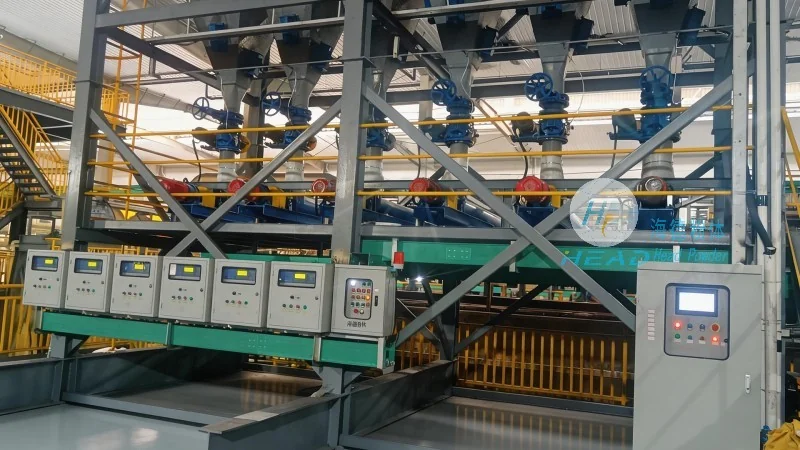
3. Combined Pressure Conveying: This system combines both positive and negative pressure elements to optimize the conveying process. It is used for complex applications where the material needs to be transported over varying distances or through multiple stages of processing. The combined system allows for flexibility in material handling and can handle a wide range of rice bran particle sizes and moisture contents.
Application Scenarios of Rice Bran Pneumatic Conveying
The versatility of rice bran pneumatic conveying systems makes them suitable for various industrial applications. Some common application scenarios include:
1. Food Processing Industry: In the food industry, rice bran is used as a source of oil, protein, and fiber. Pneumatic conveying systems are used to transport rice bran from storage silos to oil extraction equipment, ensuring a clean and efficient process. The systems help maintain the quality of the rice bran by preventing exposure to moisture and contaminants.
2. Animal Feed Production: Rice bran is a valuable component in animal feed formulations, providing essential nutrients for livestock. Pneumatic conveying systems are used to transport rice bran from storage facilities to feed mixing plants, ensuring consistent feed quality and reducing labor costs associated with manual handling.
3. Cosmetic and Pharmaceutical Manufacturing: Rice bran is used in the production of cosmetics and pharmaceutical products due to its natural antioxidants and moisturizing properties. Pneumatic conveying systems are employed to transport rice bran to processing lines, where it is further processed into finished products. The systems help maintain the purity of the material, which is critical for meeting regulatory standards in the cosmetic and pharmaceutical industries.
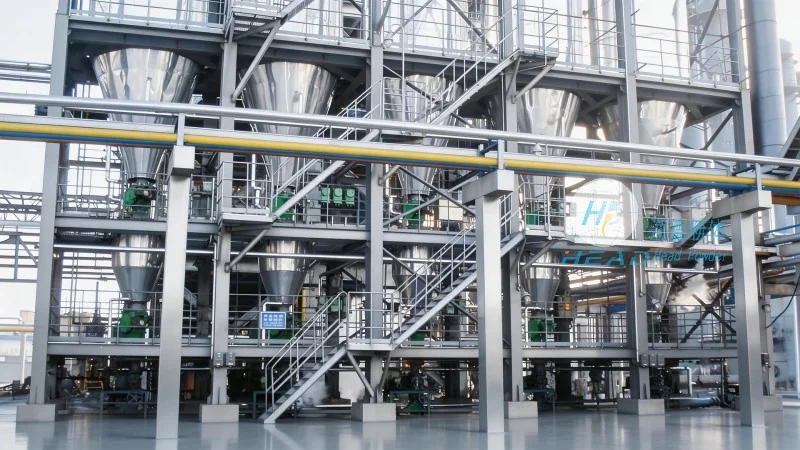
Key Considerations for Implementing Rice Bran Pneumatic Conveying Systems
When implementing a rice bran pneumatic conveying system, several factors need to be considered to ensure optimal performance and longevity. These include:
1. Material Properties: The particle size, moisture content, and density of rice bran affect the conveying efficiency. Proper system design, including the selection of appropriate air velocities and pressure levels, is essential to prevent material degradation or system blockages.
2. System Design and Components: The choice of materials for the conveying line (e.g., stainless steel, plastic) and the selection of components such as hoppers, feeders, and receivers are critical. Stainless steel is often preferred for its corrosion resistance and ability to maintain the quality of the rice bran. The feeder should be designed to provide a consistent flow rate, which is crucial for maintaining system efficiency.
3. Energy Efficiency: Pneumatic conveying systems can be energy-intensive. Optimizing the system design, such as using the right air velocity and pressure, can help reduce energy consumption and operating costs. Additionally, regular maintenance of the system components can prevent energy losses due to inefficiencies.