

Principles and Classification Applications of Soda Ash Pneumatic Conveying
HeadPowder, a leading provider in the field of material handling solutions, specializes in the design and implementation of efficient pneumatic conveying systems for soda ash. This article delves into the fundamental principles behind soda ash pneumatic conveying, explores the various classification methods used in industry, and highlights practical applications across different sectors.
Understanding Soda Ash Pneumatic Conveying Principles
Soda ash, chemically known as sodium carbonate (Na₂CO₃), is a widely used industrial chemical in sectors such as glass manufacturing, detergents, and chemical synthesis. Pneumatic conveying is a method that utilizes air or gas to transport solid materials like soda ash from one location to another. The core principle involves creating a pressure differential or using vacuum to move the material through a pipeline. This technique offers several advantages over traditional mechanical conveying, including reduced equipment wear, lower maintenance costs, and the ability to handle materials in a dust-free environment.
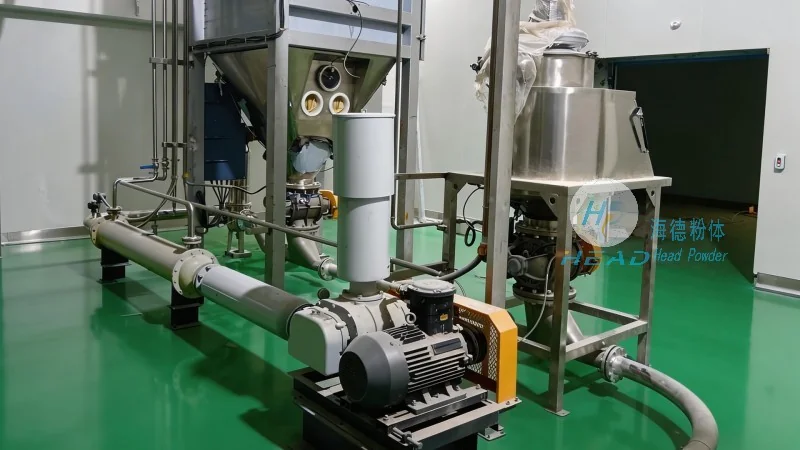
The process typically involves a hopper or storage silo where the soda ash is loaded. An air compressor or vacuum pump generates the necessary airflow, which is directed through the conveying line. The material is then entrained by the air stream and transported to the destination point, such as a processing plant or storage facility. The design of the system, including the type of air flow (positive pressure or negative pressure), the pipeline layout, and the material handling equipment, is critical to ensuring efficient and reliable operation.
Classification of Soda Ash Pneumatic Conveying Systems
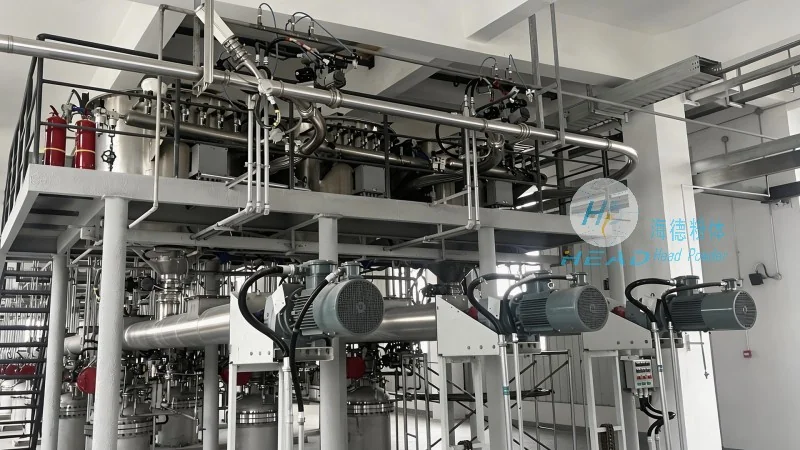
Soda ash pneumatic conveying systems can be broadly classified based on several key factors, including the pressure used, the method of material transport, and the system's configuration. The primary classifications are:
1. Positive Pressure Conveying Systems
Positive pressure systems operate by blowing air or gas into the conveying line, creating a pressure higher than the ambient air. This method is commonly used for short to medium-distance transport and is suitable for handling materials that are free-flowing and non-abrasive. The system typically includes a blower, a hopper with a rotary valve, and a pipeline network. Positive pressure systems are effective for applications where the material needs to be conveyed from a central storage area to multiple processing points.
2. Negative Pressure (Vacuum) Conveying Systems
Negative pressure systems, also known as vacuum conveying, create a vacuum in the pipeline, drawing the material from the source into the system. This approach is ideal for long-distance transport and for handling materials that are dusty or require a cleaner environment. The system consists of a vacuum pump, a collection hopper, and a pipeline that may include filters and cyclones to separate the material from the air. Negative pressure systems are often used in applications where the material is sensitive to contamination or where the source is located at a higher elevation than the destination.
3. Dilute Phase vs. Dense Phase Conveying
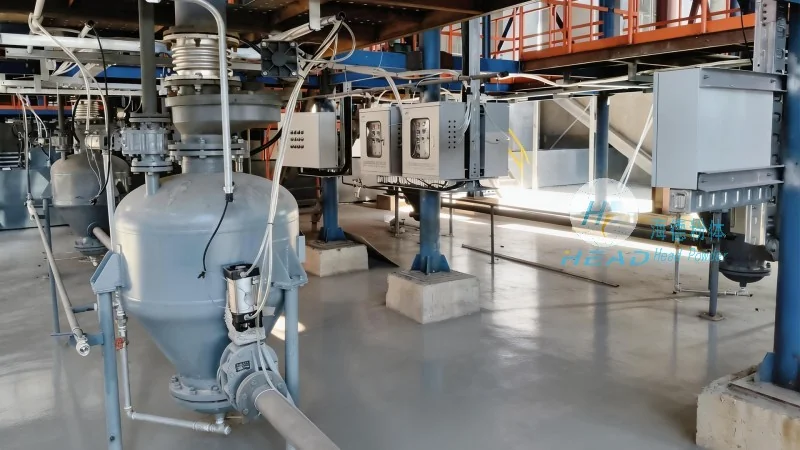
Another classification is based on the phase of the material-air mixture. Dilute phase conveying involves a low concentration of material in the air stream, typically used for short distances and free-flowing materials. Dense phase conveying, on the other hand, involves a higher concentration of material, often used for longer distances or when the material is more abrasive or has a higher moisture content. Dense phase systems use higher air velocities and pressure to maintain the material in a more compact state, reducing wear on the pipeline and equipment.
Applications of Soda Ash Pneumatic Conveying
The versatility of soda ash pneumatic conveying systems makes them suitable for a wide range of applications. In the glass industry, for example, soda ash is a key raw material used to lower the melting point of silica sand. Pneumatic conveying allows for the efficient transport of soda ash from storage silos to the glass melting furnaces, ensuring a consistent and controlled supply of the material. This is crucial for maintaining the quality and efficiency of the glass production process.
In the detergent and cleaning product industry, soda ash is used as a water softener and pH adjuster. Pneumatic conveying systems enable manufacturers to handle large quantities of soda ash safely and efficiently, reducing the risk of dust exposure and improving workplace safety. The ability to transport the material in a closed system also helps in maintaining product purity and meeting regulatory standards.
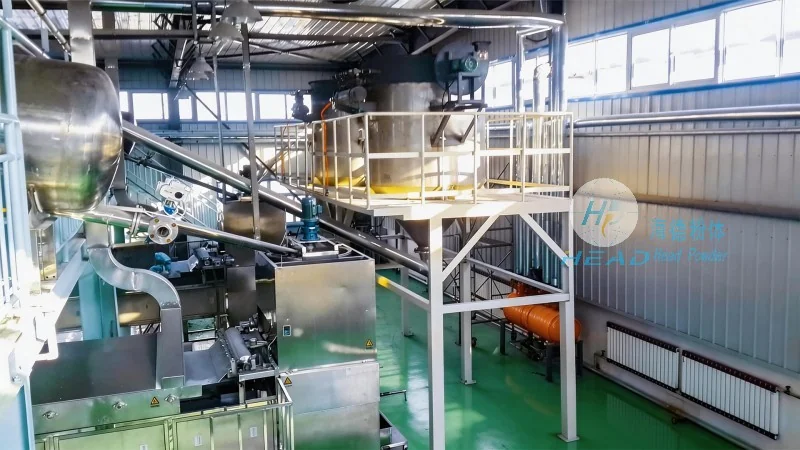
Additionally, in chemical manufacturing, soda ash is used in the production of other chemicals, such as sodium bicarbonate and sodium silicate. Pneumatic conveying systems are employed to transport soda ash from raw material storage to the reaction vessels, ensuring a continuous and reliable supply of the chemical feedstock. This helps in optimizing production processes and reducing downtime.
HeadPowder, with its expertise in material handling solutions, has successfully implemented pneumatic conveying systems for soda ash in various industrial settings. By leveraging advanced technology and tailored system designs, HeadPowder ensures that clients can benefit from the efficiency, reliability, and cost-effectiveness of pneumatic conveying. The company's commitment to quality and customer satisfaction has made it a trusted partner in the industry, providing solutions that meet the specific needs of each application.