

Principle and Classification Application of River Sand Pneumatic Conveying
River sand, a crucial material in construction and industrial processes, often requires efficient and reliable transportation methods. Pneumatic conveying technology offers an advanced solution for moving river sand from one location to another, ensuring minimal dust, reduced labor costs, and enhanced operational safety. This article provides an in-depth exploration of the working principles, classifications, and practical applications of pneumatic conveying systems specifically designed for river sand.
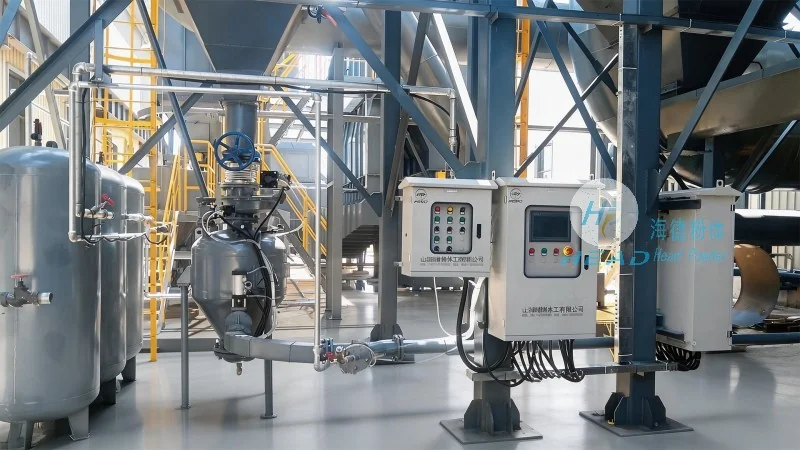
Working Principle of Pneumatic Conveying for River Sand
The core working principle of pneumatic conveying for river sand involves the use of air to transport the material through a pipeline system. The process typically starts with the material being fed into a hopper or feeder, where it is then introduced into a pipeline. Compressed air is then introduced into the pipeline, creating a flow that lifts and moves the sand particles along the line. The air velocity and pressure are carefully controlled to ensure the material is conveyed without causing blockages or excessive wear on the system components. This method relies on the interaction between the air flow and the sand particles, utilizing the kinetic energy of the air to overcome gravitational forces and transport the material efficiently.
Classification of Pneumatic Conveying Systems
Pneumatic conveying systems for river sand are classified based on several key factors, including the conveying method, pressure levels, and application requirements. The primary classifications include:
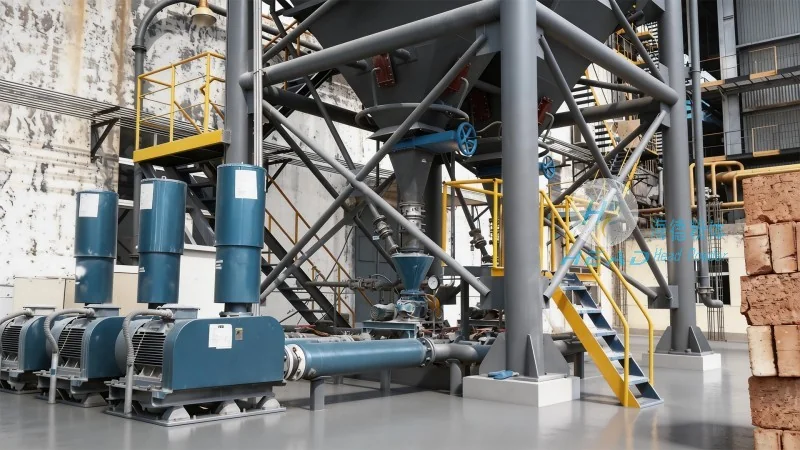
1. Positive Pressure Conveying: This system uses compressed air to push the material through the pipeline. It is suitable for short to medium distances and is commonly used in applications where the material is light and non-abrasive. The positive pressure system ensures that the air and material are continuously moving forward, reducing the risk of material settling or clogging.
2. Negative Pressure (Vacuum) Conveying: In this system, a vacuum is created at the receiving end to draw the material from the source. The vacuum pulls the sand particles through the pipeline, making it ideal for long-distance or multi-point collection applications. Negative pressure systems are often used when the material needs to be transported from multiple sources to a single destination, as the vacuum can be applied at various points along the pipeline.
3. Two-Phase Conveying: This method combines both positive and negative pressure elements, using a combination of compressed air and vacuum to transport the material. It is particularly effective for handling materials with varying particle sizes or densities, as the system can adjust the air flow to maintain optimal conveying conditions. Two-phase systems are versatile and can be adapted for a wide range of river sand applications, from small-scale to large-scale operations.
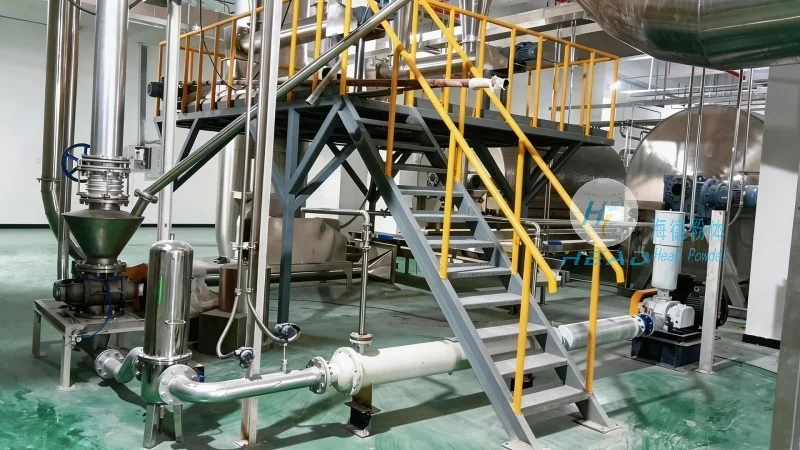
Application Scenarios and Benefits
The application of pneumatic conveying for river sand is widespread across various industries. In the construction sector, it is used for transporting sand from stockpiles to mixing plants or concrete production sites, ensuring a steady supply of material without the need for manual handling. The system is also utilized in mining operations, where river sand is extracted from rivers and transported to processing facilities for further treatment. Additionally, in the manufacturing industry, pneumatic conveying is employed to move sand used in foundry processes, where the material is required for casting and molding operations. The benefits of using pneumatic conveying in these applications include improved material handling efficiency, reduced environmental impact due to minimized dust emissions, and enhanced workplace safety by eliminating manual handling of heavy or abrasive materials.
Company Profile: Shandong HeadPowder Engineering Co., Ltd.
Shandong HeadPowder Engineering Co., Ltd., a leading provider of pneumatic conveying solutions, specializes in designing and manufacturing systems tailored to the unique needs of river sand transportation. With a strong focus on innovation and quality, the company has established itself as a trusted partner in the industry, delivering reliable and efficient solutions to clients across China. HeadPowder's expertise lies in understanding the specific challenges associated with river sand, such as its abrasive nature and varying particle sizes, and developing systems that address these challenges effectively. The company's facilities are located in Shandong, China, where it leverages local resources and expertise to support its operations and provide comprehensive after-sales service. By combining advanced engineering with practical experience, HeadPowder ensures that its pneumatic conveying systems meet the highest standards of performance and durability, providing long-term value to its clients.