

Principle and Classification Application of Powdered Calcium Pneumatic Conveying
HeadPowder, a leading engineering company based in Shandong, China, specializes in the design, manufacturing, and implementation of advanced pneumatic conveying systems for powdered calcium materials. This article provides an in-depth exploration of the fundamental principles behind powdered calcium pneumatic conveying, along with a detailed classification of its applications across various industries.
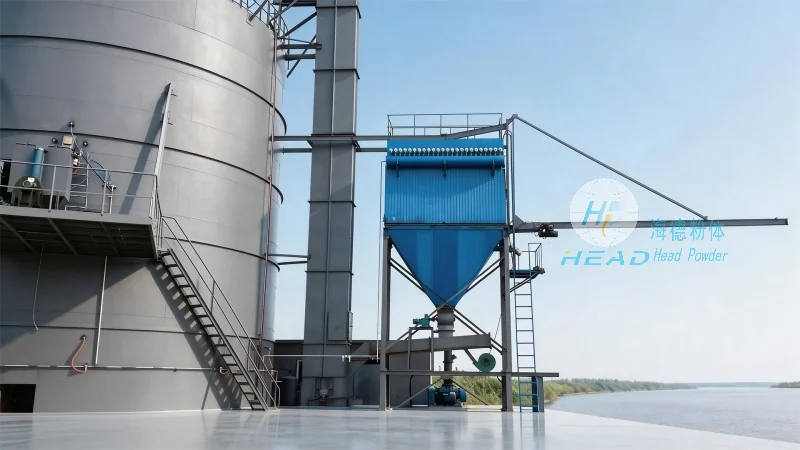
Understanding the Core Principle of Powdered Calcium Pneumatic Conveying
Powdered calcium pneumatic conveying is a method of transporting bulk powder materials, such as calcium carbonate or calcium oxide, through a pipeline using a gas stream, typically air or a combination of air and other gases. The process relies on the creation of a pressure differential within the system to move the powder particles from the source to the destination. The fundamental principle involves generating a flow of air that is strong enough to entrain the powder particles, carrying them through the pipeline while maintaining their integrity and preventing segregation or degradation.
The key components of a typical pneumatic conveying system for powdered calcium include a material feed hopper, a conveyor line (often equipped with special fittings like bends and expansion joints), a gas source (usually a blower or compressor), and a discharge device. The system operates by drawing air from the blower, which then mixes with the powder in the feed hopper. As the air velocity increases, it creates a suction or pressure that lifts the powder particles and propels them through the pipeline. The design of the system, including the size of the pipeline, the type of gas used, and the velocity of the air, is critical to ensuring efficient and reliable transport of the calcium powder.
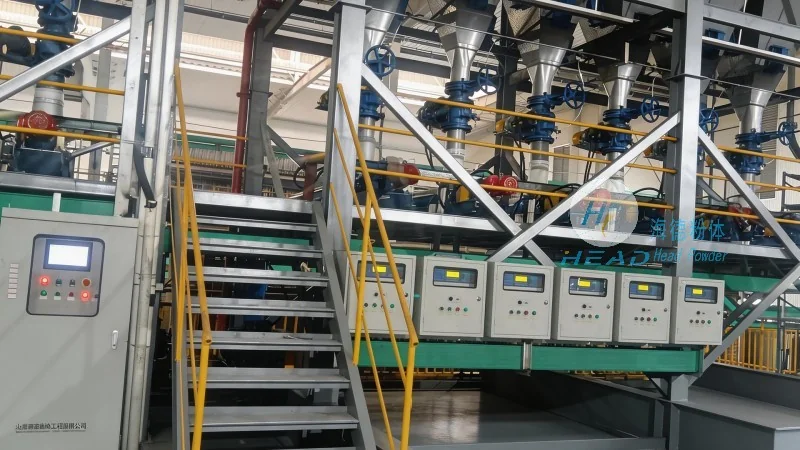
Classification of Pneumatic Conveying Systems for Powdered Calcium
Powdered calcium pneumatic conveying systems can be broadly classified into two main categories based on the pressure differential used: dilute phase and dense phase systems. Each type has distinct characteristics and is suited to different operational requirements.
Dilute Phase Pneumatic Conveying is characterized by the powder being transported in a relatively low concentration within the gas stream. This method is typically used for short to medium distance transport and is suitable for materials that are free-flowing and non-abrasive. The system operates at relatively high velocities, often exceeding 20 meters per second, which allows for efficient transport with minimal pressure drop. Dilute phase systems are commonly employed in applications where the powder needs to be conveyed quickly and with minimal energy consumption.
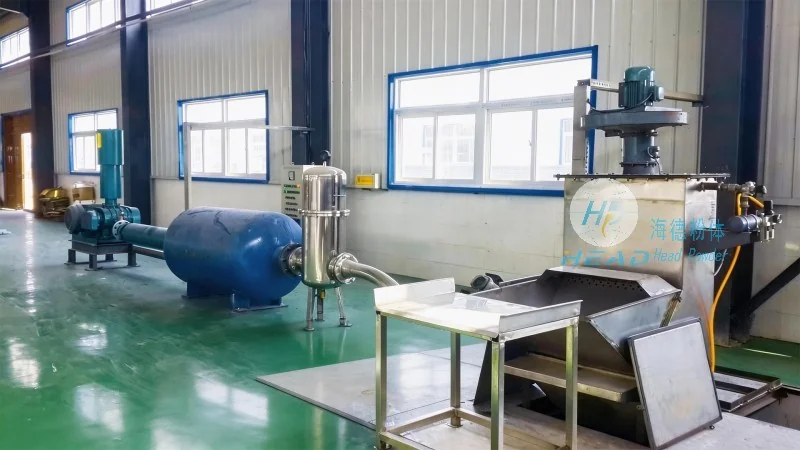
Dense Phase Pneumatic Conveying, on the other hand, involves transporting the powder at a higher concentration, often with a lower gas velocity. This method is ideal for longer distances or when the powder is more abrasive or prone to segregation. The system operates at lower velocities, typically between 5 to 15 meters per second, which helps to maintain the integrity of the powder particles and reduces the risk of pipeline wear. Dense phase systems are commonly used in applications where the powder requires gentle handling, such as in the food or pharmaceutical industries.
Application Scenarios and Industry Integration
The versatility of powdered calcium pneumatic conveying makes it applicable across a wide range of industries. In the chemical industry, it is used for transporting calcium-based chemicals in manufacturing processes. The food industry utilizes this technology for handling calcium supplements and other food additives, ensuring that the powder remains free from contamination and maintains its quality. The pharmaceutical sector also benefits from this method for transporting calcium-based active ingredients, as it provides a sterile and controlled environment for material handling.
In the construction industry, powdered calcium is often used as a raw material in cement production. Pneumatic conveying systems are employed to transport the calcium powder from storage silos to the mixing plants, ensuring a consistent and efficient supply of raw materials. The automotive industry also uses this technology for transporting calcium-based additives in the production of automotive parts, where precision and quality control are paramount.
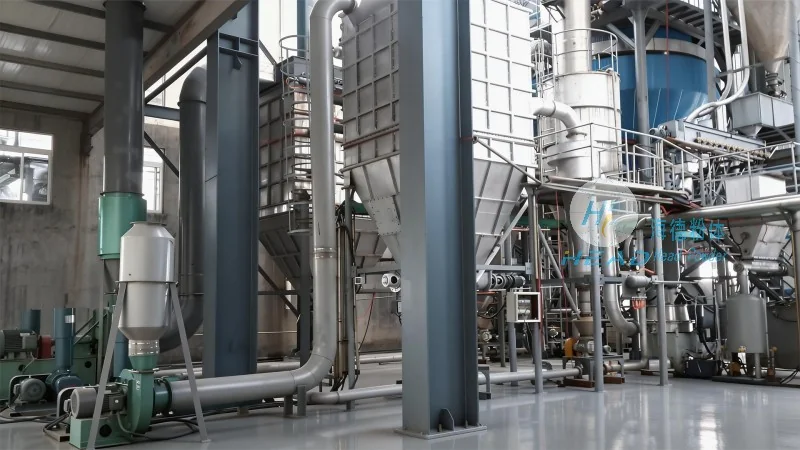
Advantages and Considerations in Powdered Calcium Pneumatic Conveying
Implementing a pneumatic conveying system for powdered calcium offers several advantages. One of the primary benefits is the ability to transport the material in a closed system, which minimizes dust emissions and environmental contamination. This is particularly important for calcium powders, which can be hazardous if released into the atmosphere. Additionally, pneumatic conveying systems are highly flexible, allowing for easy integration with existing production lines and the ability to adjust the system parameters to meet changing operational needs.
However, there are also considerations to keep in mind when designing and operating such systems. The choice of pipeline material is critical, as calcium powders can be abrasive and may cause wear on the pipeline over time. Stainless steel or special alloys are often used to ensure durability. The system also requires regular maintenance to prevent blockages and ensure optimal performance. Furthermore, the energy consumption of the system must be considered, as pneumatic conveying can be energy-intensive, especially for long-distance transport.