News
Rich project cases across industries, showing real implementation and proven technical strength.In the field of industrial material handling, the conveyance of coated sand presents unique challenges due to its abrasive nature, particle size distribution, and the need to preserve the integrity of the resin coating. A pneumatic conveying system designed specifically for coated sand offers a reliable, efficient, and low-degradation solution that has become a cornerstone in foundry operations, oil and gas proppant logistics, and advanced manufacturing processes. This article provides an in-depth exploration of pneumatic systems for coated sand conveying, covering fundamental principles, system configurations, key design parameters, operational best practices, and the latest industry trends. By understanding these elements, engineers and facility managers can make informed decisions that improve throughput, reduce maintenance costs, and maintain product quality.
Pneumatic conveying uses air pressure or vacuum to transport bulk solids through a pipeline. For coated sand—often a mixture of silica sand and a resin binder—the conveying process must be gentle enough to prevent the coating from cracking or abrading off, yet powerful enough to move the material efficiently over long distances. Two primary system types are deployed: dilute phase and dense phase conveying. Dilute phase systems suspend the coated sand in a high-velocity airstream, suitable for short distances and moderate capacities. Dense phase systems, in contrast, push the material through the line in slugs or plugs at lower velocities, significantly reducing particle attrition and energy consumption. For coated sand applications where coating integrity is critical, dense phase conveying is generally recommended, though the specific choice depends on factors such as particle shape, resin type, and required throughput.
The physics behind pneumatic conveying involves a balance between drag forces, gravity, and frictional losses. Coated sand particles typically range from 0.1 to 1.0 mm in diameter, with bulk densities varying between 1.4 and 1.7 g/cm³ depending on the coating formulation. The conveying velocity must be precisely controlled: too high and the particles collide with pipe walls and each other, causing coating damage and generating fines; too low and the material settles, leading to blockages. Modern systems incorporate variable frequency drives and pressure sensors to maintain optimal velocity dynamically. Headpowder, a specialist in pneumatic handling solutions, has developed proprietary air control algorithms that maintain stable conveying conditions even when feed rates fluctuate, ensuring consistent product quality across batches.
A well-designed pneumatic conveying system for coated sand consists of several integrated modules, each playing a vital role in reliable operation. The material source—often a silo, hopper, or bulk bag unloader—feeds the sand into the conveying line via a rotary valve or screw feeder. These feeders must be sized to match the desired flow rate without causing bridging or flooding. The conveying pipeline is typically made of wear-resistant steel or ceramic-lined tubing to withstand the abrasive nature of coated sand. Bend sections are particularly prone to erosion, so long-radius elbows or blind tee configurations are employed to minimize impact damage.
The air mover, either a positive displacement blower or a roots-type compressor, generates the pressure differential needed for transport. For dense phase systems, a blow tank or pressure vessel is used to batch-feed the material, allowing the air to pulsate and push plugs of sand through the line. Filtration and dust collection at the receiving end are essential to capture any fines generated during conveying, maintaining a clean working environment. Control systems integrate PLCs, flow meters, and pressure transmitters to automate the process and provide real-time monitoring. Headpowder's systems feature modular control cabinets with intuitive HMI interfaces, enabling operators to adjust parameters such as air pressure, feed rate, and cycle time without extensive training. These components work in concert to deliver a conveying solution that is both robust and adaptable to varying plant layouts.
Selecting the right pneumatic conveying system for coated sand requires careful evaluation of several technical parameters. The first is the material's particle size distribution and bulk density, which directly influence the minimum conveying velocity. Standard equations, such as the Rizk correlation or the Geldart classification, provide initial estimates, but empirical testing is often necessary to account for the specific coating's flowability. The resin coating can make sand particles more cohesive, increasing the risk of agglomeration and requiring higher pressure drops. Typical conveying velocities for coated sand in dense phase systems range from 3 to 8 m/s, compared to 15 to 25 m/s for dilute phase.
Another key parameter is the conveying distance. For horizontal runs up to 200 meters, a single blow tank configuration is adequate. Longer distances or complex routes with multiple vertical lifts may require dual-tank systems or intermediate boosters to maintain plug stability. The pipeline diameter must be chosen to balance pressure drop against wear. A diameter too small leads to high velocities and accelerated abrasion; too large results in inefficient air usage. Industry standards for coated sand lines typically fall between 80 mm and 150 mm. The air-to-material ratio is equally critical: typical values range from 1:10 to 1:30 (air volume in m³ per ton of material) depending on the system type. Headpowder's engineering team uses computational fluid dynamics simulations to optimize these parameters for each client's specific material characteristics, reducing trial-and-error time on site.
Implementing a pneumatic conveying system for coated sand delivers tangible operational advantages over mechanical alternatives such as belt conveyors or bucket elevators. The enclosed pipeline eliminates dust emissions, improving workplace safety and compliance with environmental regulations. The system's compact footprint allows installation in constrained spaces, and the lack of moving parts in contact with the material reduces maintenance frequency. Coated sand is often hygroscopic; pneumatic systems can be configured with dehumidified air or nitrogen blankets to prevent moisture absorption, preserving the resin's bonding properties. Headpowder has observed a 30% reduction in product degradation at customer sites after switching from mechanical to dense phase pneumatic conveying, resulting in less waste and higher yields.
Energy efficiency is another major consideration. While pneumatic systems can be more energy-intensive than mechanical conveyors, advances in low-pressure dense phase technology have narrowed the gap. Modern blowers with variable speed drives allow systems to operate at the exact pressure and flow required for each production cycle, avoiding unnecessary energy consumption. For a typical foundry processing 10 tons of coated sand per hour, a well-tuned pneumatic system consumes approximately 15–20 kWh per ton, which is competitive with mechanical alternatives when maintenance and downtime costs are factored in. Lifecycle cost analyses performed by headpowder for mid-sized operations show payback periods of 12 to 18 months, driven by reduced labor, lower spare parts usage, and increased uptime.
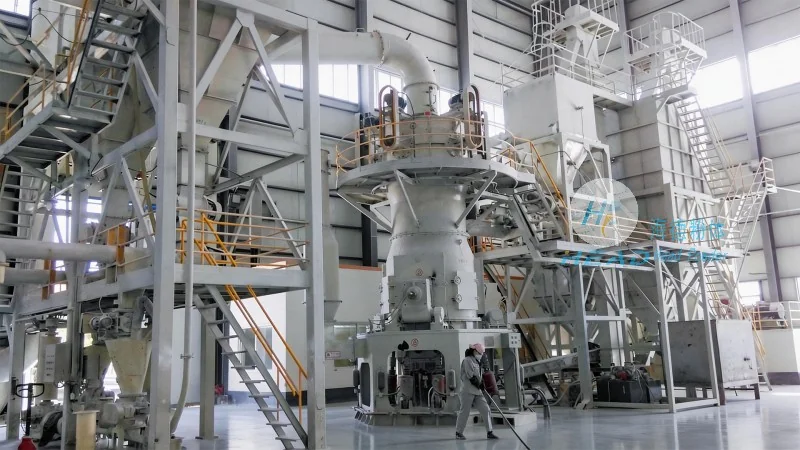
The versatility of pneumatic conveying for coated sand is demonstrated across multiple industries. In the foundry sector, resin-coated sand is used for shell molding and core making. A European automotive foundry installed a headpowder dense phase system to transfer coated sand from storage silos to molding machines 150 meters away. The system achieved consistent plug flow with less than 0.5% coating damage, compared to 4% with the previous dilute phase setup. This improvement directly reduced scrap rates and improved casting quality. In the oil and gas industry, coated proppants (ceramic or resin-coated sand) are conveyed from bulk tankers to storage hoppers at hydraulic fracturing sites. A North American proppant supplier deployed a mobile headpowder pneumatic unit rated at 20 tons per hour, capable of handling distances up to 300 meters. The system's ability to maintain low moisture levels prevented coating softening during humid summer months, ensuring consistent downhole performance.
According to market data for 2026, the global pneumatic conveying equipment market is projected to grow at a compound annual rate of 6.2%, driven by increased automation in foundries and the expansion of shale gas extraction. Coated sand represents a significant niche, with demand rising as manufacturers seek more sustainable processes: pneumatic systems reduce spillage and enable closed-loop material handling, aligning with zero-waste initiatives. Headpowder's installations have demonstrated average conveying efficiencies above 92%, with unscheduled downtime below 2% annually. These numbers are backed by third-party audits and compliance with ISO 9001 and ATEX standards where explosive dust risks exist.
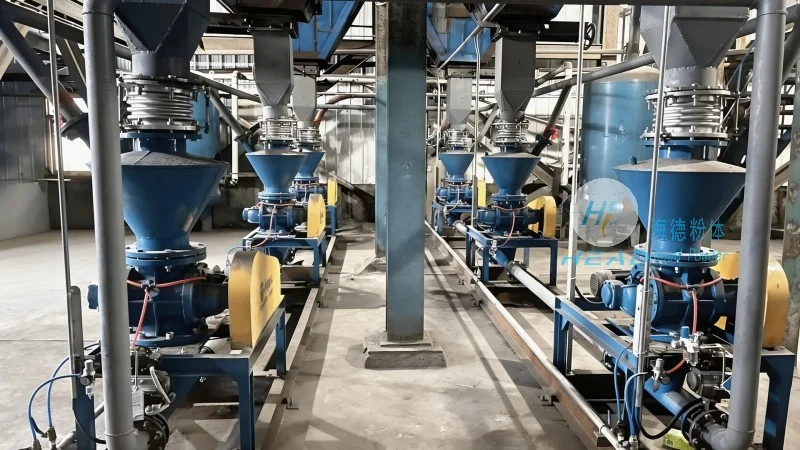
To maximize the lifespan of a coated sand pneumatic conveying system, a proactive maintenance regimen is essential. The most common issues include pipeline wear at bend sections, filter clogging, and rotary valve leakage. Regular inspection of pipe wall thickness using ultrasonic testing can predict erosion patterns and schedule replacements before failures occur. For resin-coated sand, the heat generated by friction can occasionally cause the coating to soften and build up inside the line; this is mitigated by maintaining conveying air temperatures below 50°C and using anti-static filters. Headpowder provides customers with a comprehensive maintenance manual and remote monitoring options that alert operators to anomalies such as increasing pressure drops or declining flow rates.
Troubleshooting flow disruptions often begins with checking the air supply pressure and the material feed consistency. If plugging occurs, common solutions include increasing the air pressure incrementally, adjusting the blow tank discharge cycle, or installing air lances at strategic points. Data logging from headpowder's control systems allows engineers to review historical trends and identify recurring patterns, enabling root cause analysis. For example, one client experienced intermittent blockages every 50 hours; analysis revealed that moisture in the compressed air was condensing in the line, causing the coated sand to agglomerate. Installing a refrigerated air dryer resolved the issue permanently. Such case-specific insights underscore the importance of partnering with a supplier that offers both hardware and process expertise.
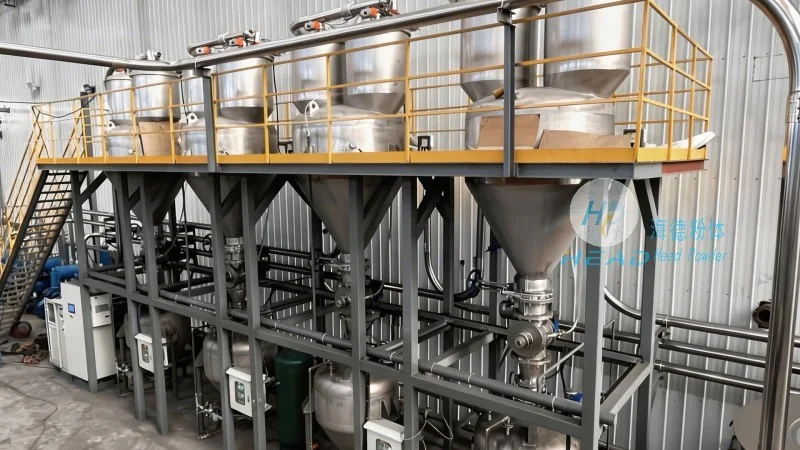
The next generation of pneumatic conveying systems for coated sand is being shaped by digitalization and sustainability goals. Smart sensors integrated with the Internet of Things (IoT) now enable real-time condition monitoring of pipe wear, air consumption, and product quality. Predictive maintenance algorithms can forecast component failures weeks in advance, reducing unplanned downtime. Headpowder is actively developing hybrid systems that combine pneumatic and mechanical elements for ultra-low degradation applications, such as conveying coated sand with delicate resin formulations. Additionally, energy recovery systems are being introduced: exhaust air from the conveyor can be used to preheat drying ovens or power adjacent equipment, improving overall plant efficiency.
Regulatory pressures around dust emissions and worker safety are also driving adoption of fully enclosed pneumatic systems. In 2026, stricter limits on respirable crystalline silica in foundries are expected to come into effect in major markets, making enclosed conveying not just a convenience but a compliance necessity. The trend toward modular and skid-mounted systems allows faster installation and easier relocation as production demands change. With these innovations, pneumatic conveying for coated sand is evolving from a mature technology into a smart, adaptive solution that meets the highest standards of reliability and environmental stewardship. For organizations seeking to optimize their material handling operations, headpowder (咨询热线:156-6277-7102) offers tailored consulting and equipment packages designed to address specific coated sand challenges. By combining deep domain knowledge with advanced engineering, they help clients achieve measurable improvements in throughput, quality, and cost control.

 Shandong headpowder Engineering Co., Ltd.
 156-6277-7102(Manager Zhang)
  0531-83386006
  Jinan City, Shandong Province, China
服务热线
微信咨询
回到顶部