

[Cement Aggregate Pneumatic Conveying Equipment: An Overview of Structure and Working Principle]
HeadPowder, a leading manufacturer based in Shandong, China, specializes in the design and production of advanced pneumatic conveying systems for cement and aggregate materials. This article provides a detailed introduction to the cement aggregate pneumatic conveying equipment, focusing on its structural components and operational principles.
Key Components of Cement Aggregate Pneumatic Conveying Systems
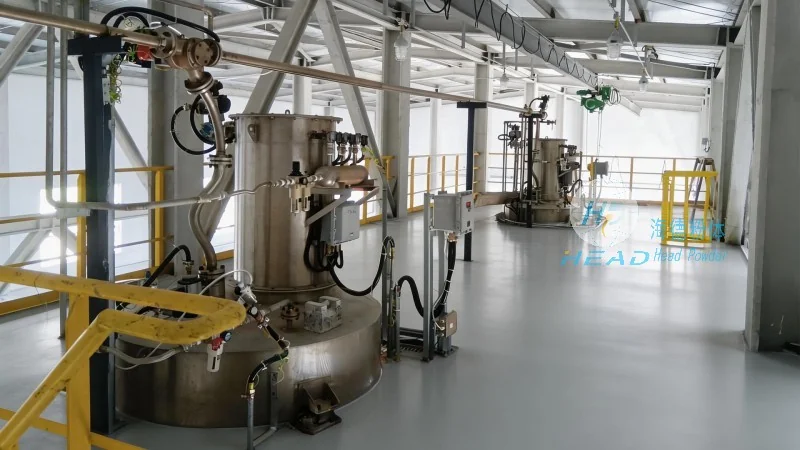
The cement aggregate pneumatic conveying equipment typically consists of several core components that work in concert to transport bulk materials efficiently. The primary elements include the material hopper, air compressor, conveying line, and discharge unit. The material hopper is designed to store and feed the cement or aggregate into the system, ensuring a consistent flow of material. The air compressor generates the necessary air pressure to create a flow of air within the conveying line, which propels the material particles forward. The conveying line, often made of stainless steel or other corrosion-resistant materials, is the main channel through which the material and air travel. Finally, the discharge unit, such as a rotary valve or a dust collector, controls the release of the material at the destination point.
Working Principle of the Pneumatic Conveying Process
The operation of the cement aggregate pneumatic conveying equipment is based on the principle of pneumatic transport, where material particles are suspended and transported by a moving air stream. When the air compressor is activated, it produces a high-pressure air flow that enters the conveying line. Simultaneously, the material from the hopper is introduced into the line, either by gravity or through a feeding mechanism. The air stream then lifts and carries the material particles along the line, maintaining their suspension until they reach the discharge point. The speed and pressure of the air are carefully controlled to ensure optimal transport efficiency, minimizing material degradation and system wear. This process allows for the seamless transfer of bulk cement and aggregate materials over short to medium distances, enhancing operational flexibility in industrial settings.
Advantages of Using Pneumatic Conveying for Cement and Aggregate Handling
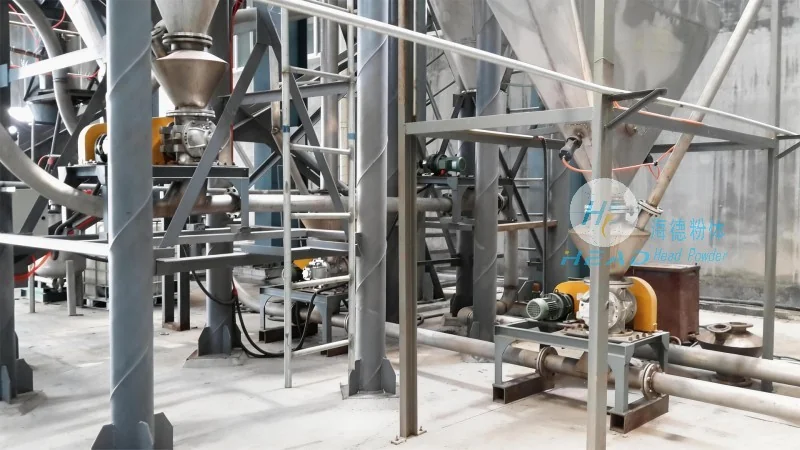
Implementing pneumatic conveying systems for cement and aggregate handling offers several significant advantages over traditional methods like belt conveyors or bucket elevators. One of the key benefits is the ability to transport materials in a closed system, which reduces dust emissions and improves workplace safety. This is particularly important in environments where dust control is critical, such as in cement plants or construction sites. Additionally, pneumatic conveying systems are highly flexible, allowing for changes in material flow direction and destination without the need for extensive reconfiguration. The equipment also provides a more hygienic and controlled environment for handling sensitive materials like cement, preventing contamination and ensuring product quality. Furthermore, the compact design of pneumatic conveying systems saves valuable floor space, making them suitable for facilities with limited area. Overall, these advantages make pneumatic conveying an efficient and reliable solution for the transportation of cement and aggregate in various industrial applications.
Application Scenarios in Cement and Construction Industries
Cement aggregate pneumatic conveying equipment is widely used in the cement and construction industries for a variety of applications. In cement production facilities, these systems are employed to transport raw materials such as limestone, clay, and sand from storage silos to the grinding mills. This ensures a continuous and controlled supply of raw materials, which is essential for maintaining production efficiency. In construction sites, the equipment is used to move bulk cement and aggregate from storage areas to mixing plants or job sites. This reduces the need for manual handling and improves the speed of material delivery, contributing to faster project completion. Additionally, in concrete batching plants, pneumatic conveying systems are utilized to transfer cement and aggregates to the mixing units, ensuring precise dosing and consistent mix quality. The versatility of these systems makes them adaptable to different operational requirements, from small-scale construction projects to large-scale industrial production lines.
Maintenance and Operational Considerations for Pneumatic Conveying Systems
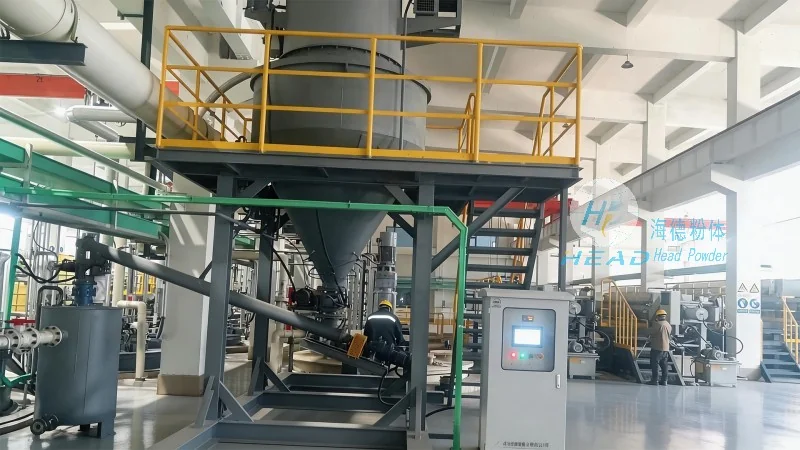
Proper maintenance and operational management are crucial for the long-term performance and reliability of cement aggregate pneumatic conveying equipment. Regular inspection of the air compressor and conveying line is essential to detect any signs of wear or damage. The air compressor should be checked for proper pressure and airflow, as insufficient air pressure can lead to material blockages or reduced transport efficiency. The conveying line should be inspected for any clogs or obstructions, which can be caused by material buildup or debris. Additionally, the material hopper and feeding mechanisms should be cleaned regularly to prevent material accumulation and ensure smooth operation. Proper lubrication of moving parts, such as bearings and seals, is also important to minimize friction and extend the lifespan of the equipment. Operational considerations include monitoring the system's performance metrics, such as pressure drops and material flow rates, to identify any deviations from normal operation. By following these maintenance and operational guidelines, users can ensure the optimal performance of the pneumatic conveying system and maximize its service life.
Conclusion
In conclusion, the cement aggregate pneumatic conveying equipment is a sophisticated and efficient solution for the transportation of bulk cement and aggregate materials. With its advanced structural design and operational principles, this equipment offers significant advantages over traditional material handling methods. HeadPowder, as a reputable manufacturer based in Shandong, China, provides high-quality pneumatic conveying systems that meet the diverse needs of the cement and construction industries. By understanding the key components, working principles, and operational considerations of these systems, users can make informed decisions and optimize their material handling processes for enhanced productivity and safety.