

Introduction to Tri-Metal Material Pneumatic Conveying Equipment: Structural Principles and Working
Tri-metal material pneumatic conveying equipment is a specialized industrial device designed for the efficient and safe transport of tri-metal materials, which are commonly used in the production of lithium-ion batteries, particularly in the processing of cathode materials like NCM (Nickel-Cobalt-Manganese) or NCA (Nickel-Cobalt-Aluminum) compounds. This equipment is essential in modern battery manufacturing facilities, where precise material handling is critical to ensure product quality and operational efficiency.
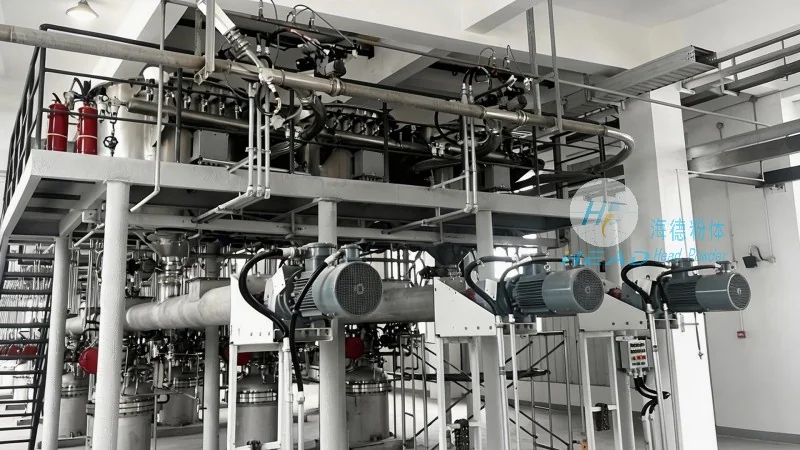
Company Overview: Shandong HeadPowder Engineering Co., Ltd.
HeadPowder, the manufacturer of this advanced pneumatic conveying system, is a leading company in the field of powder processing and material handling solutions. With its headquarters located in Shandong, China, HeadPowder has established itself as a trusted provider of high-quality industrial equipment tailored to the needs of the battery and chemical industries. The company specializes in designing, manufacturing, and supplying pneumatic conveying systems that meet stringent industry standards for performance, reliability, and safety.
Structural Components of Tri-Metal Material Pneumatic Conveying Equipment
The tri-metal material pneumatic conveying machine consists of several key components that work in tandem to facilitate the transport of powders. The primary components include a feeding hopper, a rotary valve or feeder, a conveying pipeline, a dust collector or filter system, and a discharge outlet. Each component plays a crucial role in the overall operation of the equipment.
The feeding hopper is responsible for storing the tri-metal material and regulating the flow rate into the system. It is typically equipped with a level indicator to monitor the material level and a discharge valve to control the material release. The rotary valve or feeder, often a star valve or rotary airlock, ensures a consistent and controlled feed of the material into the conveying pipeline, preventing blockages and maintaining a steady flow.
The conveying pipeline is the main channel through which the material is transported. It is usually made of stainless steel or other corrosion-resistant materials to handle the abrasive nature of tri-metal powders. The pipeline is connected to a blower or air compressor that generates the necessary air pressure to move the material. The air flow is directed through the pipeline, carrying the powder particles in a suspended state, which allows for efficient transport over long distances.
The dust collector or filter system is an integral part of the equipment, designed to capture and remove fine particles from the air stream. This not only improves air quality but also prevents material loss and ensures compliance with environmental regulations. The collected dust is typically returned to the feeding hopper or disposed of according to local regulations.
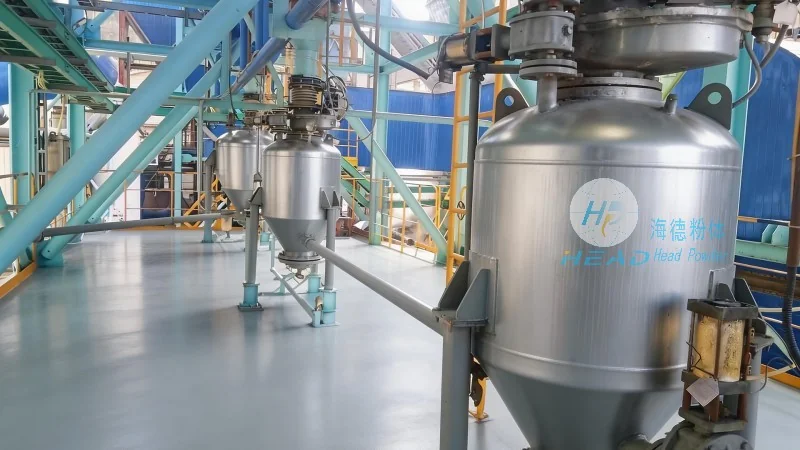
The discharge outlet is where the conveyed material is released from the system. It is equipped with a valve or gate to control the discharge rate and prevent material spillage. In some designs, a surge tank or buffer hopper may be included to stabilize the flow and prevent fluctuations in the discharge rate.
Working Principle of the Pneumatic Conveying System
The operation of the tri-metal material pneumatic conveying equipment is based on the principle of pneumatic transport, where the material is suspended in a stream of air and transported through the pipeline. The process begins with the material being fed from the hopper into the rotary valve, which then introduces the material into the conveying pipeline. Simultaneously, the blower generates a high-pressure air stream that moves through the pipeline, carrying the powder particles.
As the air and material mixture travels through the pipeline, the material remains in a suspended state due to the air velocity. The pipeline is designed with appropriate bends and elbows to minimize pressure loss and maintain the flow velocity. The dust collector is positioned along the pipeline to capture any fine particles that may escape, ensuring that the air discharged is clean and free of contaminants.
The conveying process continues until the material reaches the discharge outlet, where it is collected in a receiving container or processing unit. The system is designed to operate continuously, with the blower maintaining a consistent air pressure to ensure uninterrupted material transport. The rotary valve and feeding hopper work in coordination to maintain a steady feed rate, preventing overloading or underfeeding of the system.
Advantages of Tri-Metal Material Pneumatic Conveying Equipment
Tri-metal material pneumatic conveying equipment offers several advantages over traditional mechanical conveying methods. One of the key benefits is the ability to transport materials over long distances without the need for multiple transfer points or intermediate storage. This reduces the risk of material contamination and improves overall process efficiency. Additionally, the system is compact and can be installed in confined spaces, making it suitable for modern battery manufacturing facilities with limited floor space.
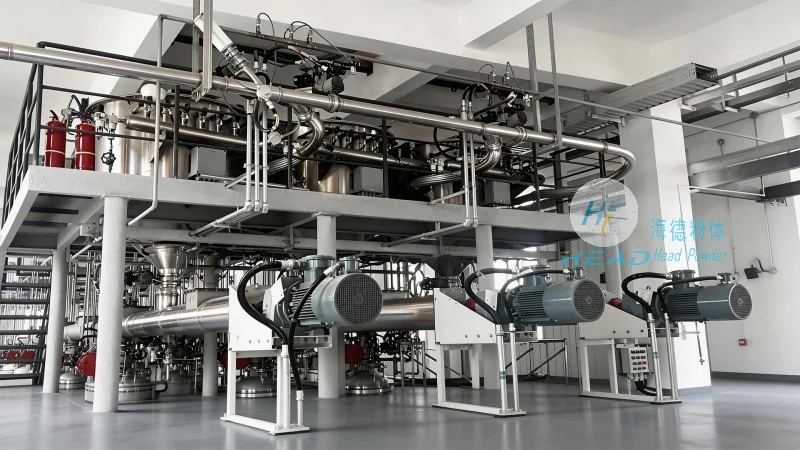
The equipment is also highly flexible, allowing for changes in material flow rates and transport distances without significant modifications. This adaptability makes it suitable for various production scenarios, from small-scale laboratory testing to large-scale industrial production. Furthermore, the use of stainless steel and other corrosion-resistant materials ensures durability and longevity, reducing maintenance costs over the equipment's lifespan.
Another advantage is the improved safety and hygiene compared to mechanical conveying systems. The enclosed pipeline design prevents dust emissions and minimizes the risk of material exposure to the environment. This is particularly important for tri-metal materials, which may contain hazardous components and require strict handling protocols. The dust collector system further enhances safety by capturing and containing any airborne particles.
Applications in Battery Manufacturing
Tri-metal material pneumatic conveying equipment is widely used in the battery manufacturing industry, particularly in the processing of cathode materials for lithium-ion batteries. The equipment is essential for transporting raw materials such as nickel, cobalt, and manganese oxides from storage to the mixing and coating stages. The precise control of material flow and the prevention of contamination are critical in these processes, as even small variations can affect the final battery performance.
In the mixing stage, the tri-metal material is combined with other components like lithium compounds and conductive additives. The pneumatic conveying system ensures that the material is added in the correct proportion and without agglomeration, which can affect the battery's energy density and cycle life. The equipment's ability to handle fine powders and maintain a consistent flow rate makes it ideal for this stage of production.
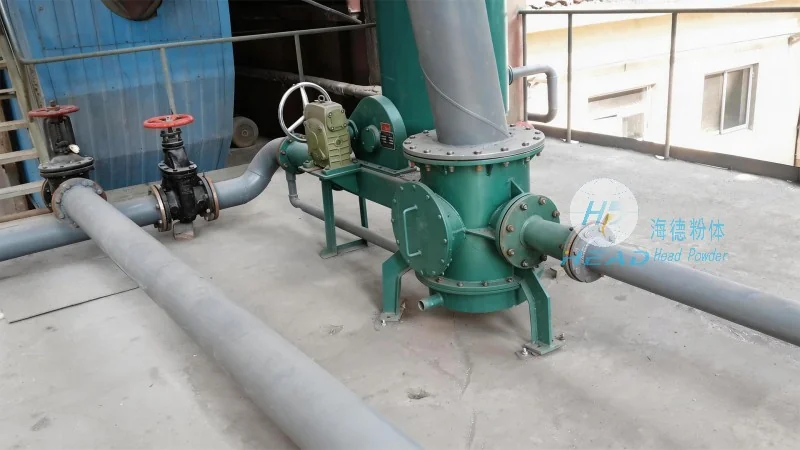
During the coating stage, the mixed material is applied to the current collector, forming the cathode layer. The pneumatic conveying system is used to transport the coated material to the drying and cutting units. The equipment's reliability and efficiency are crucial in this stage, as any delays or material loss can impact production output and product quality.
Maintenance and Operational Considerations
Proper maintenance is essential to ensure the long-term performance and reliability of tri-metal material pneumatic conveying equipment. Regular inspections of the feeding hopper, rotary valve, and conveying pipeline are necessary to detect any signs of wear or blockage. The blower and air compressor should be checked for proper operation and air pressure to maintain the required flow rate.
The dust collector system should be cleaned regularly to prevent clogging and ensure efficient operation. The filters should be replaced as needed to maintain air quality and prevent material buildup. Additionally, the discharge outlet and receiving containers should be checked for any material accumulation or blockages to ensure smooth operation.
Operational considerations also include the proper handling of tri-metal materials. These materials may be sensitive to moisture and temperature changes, which can affect their properties. The equipment should be designed to minimize exposure to these factors, such as by using sealed containers and maintaining consistent temperature conditions. Proper training of operators is also crucial to ensure safe and efficient operation of the system.
Conclusion
Tri-metal material pneumatic conveying equipment is a critical component in modern battery manufacturing facilities, providing efficient and safe transport of essential materials. The equipment's design and operation are tailored to the specific needs of tri-metal materials, ensuring high performance and reliability. With its advantages in flexibility, safety, and efficiency, this equipment plays a vital role in the production of high-quality lithium-ion batteries. As the demand for battery technology continues to grow, the importance of such specialized equipment will only increase, making it a key investment for companies in the battery and chemical industries.