

Introduction to Quartz Sand Powder Pneumatic Conveying Equipment: Structure and Working Principle
Quartz sand powder pneumatic conveying equipment is a specialized system designed for the efficient and reliable transport of quartz sand powder in industrial applications. This equipment plays a crucial role in various industries, including construction, glass manufacturing, and chemical processing, where the handling of fine powders requires precision and control. The system operates by utilizing air pressure to move the powder material through a pipeline network, ensuring minimal product degradation and optimal flow characteristics.
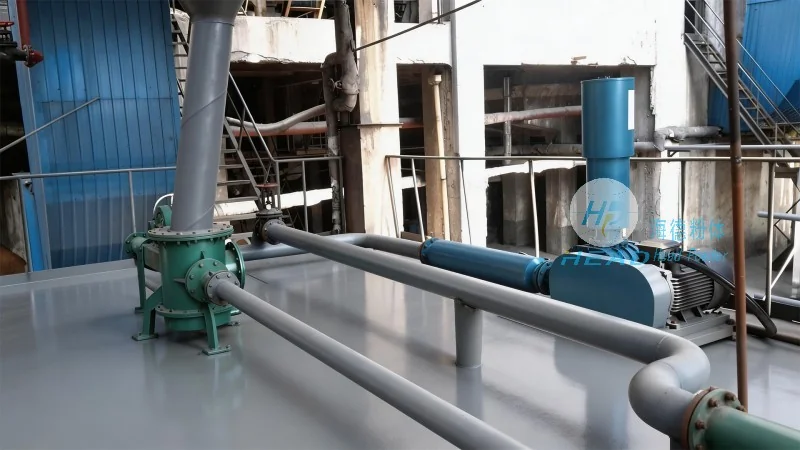
Core Components and Structure of the Pneumatic Conveying System
The quartz sand powder pneumatic conveying equipment consists of several key components that work in tandem to achieve effective material transport. The primary components include a feeding system, a conveying pipeline, a control unit, and a dust collection system. The feeding system is responsible for introducing the quartz sand powder into the system, typically through a hopper or a rotary valve that regulates the flow rate. The conveying pipeline, often made of stainless steel or other corrosion-resistant materials, ensures the safe and efficient movement of the powder. The control unit manages the air pressure and flow, while the dust collection system prevents airborne particles from escaping, maintaining a clean and safe working environment.
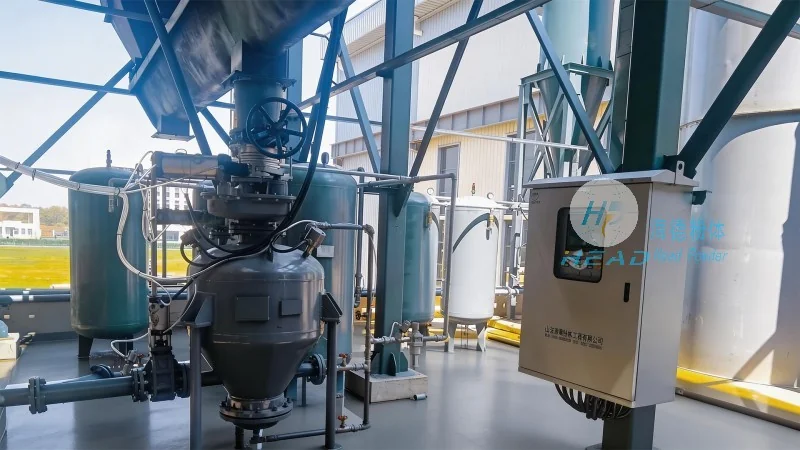
Working Principle and Operational Mechanism
The working principle of the quartz sand powder pneumatic conveying equipment is based on the use of air as the conveying medium. The system operates by creating a pressure differential between the inlet and outlet of the pipeline. When air is introduced into the conveying line, it creates a flow that carries the quartz sand powder particles along with it. The velocity of the air is carefully controlled to ensure that the powder particles are suspended and transported without causing blockages or excessive wear on the equipment. The system can operate in both positive and negative pressure modes, depending on the specific application requirements. In positive pressure mode, air is forced into the system, pushing the powder forward. In negative pressure mode, air is drawn out, creating a vacuum that pulls the powder. This flexibility allows the equipment to be adapted to different process conditions and material handling needs.
Applications and Benefits in Industrial Settings
Quartz sand powder pneumatic conveying equipment is widely used in industries where the handling of fine powders is essential. In the construction industry, it is used for transporting quartz sand for concrete production and other building materials. In the glass manufacturing industry, the equipment ensures the precise delivery of quartz sand to furnaces, contributing to the quality and consistency of glass products. The benefits of using this equipment include improved safety by reducing manual handling of powders, increased efficiency through automated material transport, and reduced product contamination due to the enclosed system design. Additionally, the equipment minimizes material loss and waste, making it an environmentally friendly solution for powder handling.
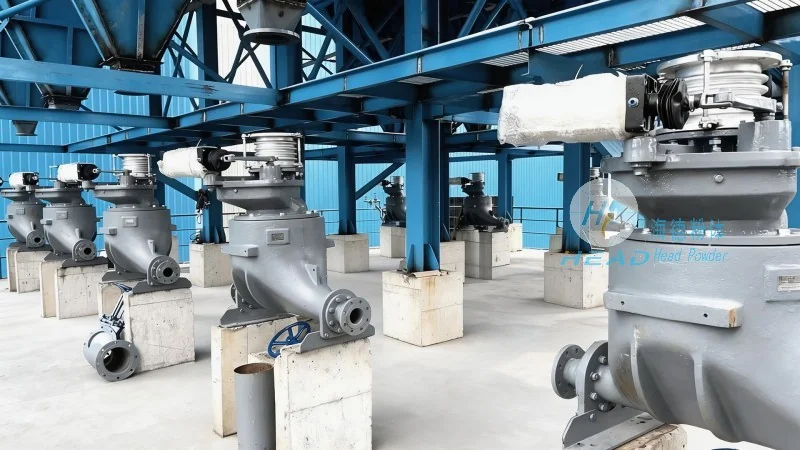
About Shandong HeadPowder Engineering Co., Ltd.
Shandong HeadPowder Engineering Co., Ltd., commonly known as headpowder, is a leading manufacturer and supplier of industrial powder handling equipment. With a strong focus on innovation and quality, the company specializes in designing and producing advanced pneumatic conveying systems tailored to the specific needs of various industries. Headpowder's team of engineers and technicians utilizes cutting-edge technology and rigorous testing procedures to ensure that each product meets the highest standards of performance and reliability. The company's commitment to customer satisfaction and technical excellence has established it as a trusted partner in the global market for industrial equipment. Headpowder's headquarters is located in Shandong, China, where the company operates its research and development facilities, manufacturing plants, and customer service centers.