

Introduction to Magnetic Powder Pneumatic Conveying Systems: Structure and Working Principles
HeadPowder, a leading manufacturer based in Shandong, China, specializes in the design and production of advanced magnetic powder pneumatic conveying systems. These systems are crucial in industries requiring efficient and reliable transport of magnetic powders, such as pharmaceuticals, chemicals, and food processing. This article provides a comprehensive overview of the magnetic powder pneumatic conveying system, detailing its structure and operational principles to help professionals understand its functionality and applications.
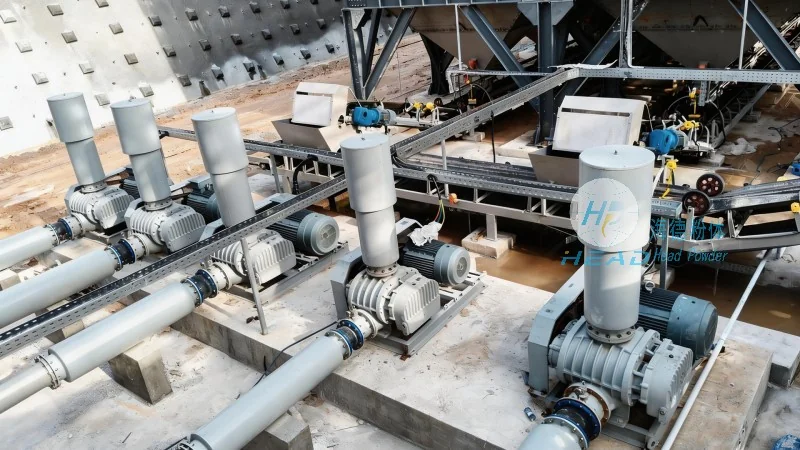
Company Profile and Background
HeadPowder Engineering Co., Ltd. is a reputable company dedicated to delivering high-quality pneumatic conveying solutions. With a strong focus on innovation and customer satisfaction, the company has established itself as a trusted partner in the industry. Headquartered in Shandong, China, HeadPowder leverages its expertise and state-of-the-art technology to develop systems that meet the stringent requirements of various industrial applications. The company's commitment to quality and reliability ensures that its products are widely recognized for their efficiency and durability.
Overview of Magnetic Powder Pneumatic Conveying Systems
A magnetic powder pneumatic conveying system is a sophisticated mechanism designed to transport magnetic powders through a pipeline using compressed air. This method offers several advantages over traditional bulk material handling techniques, including reduced labor costs, minimized product contamination, and enhanced safety. The system is particularly suitable for handling fine or abrasive powders that are difficult to transport using conventional methods. By integrating magnetic properties into the conveying process, these systems provide an effective solution for industries that require precise and controlled material movement.
Key Components of the System
The magnetic powder pneumatic conveying system consists of several critical components that work in tandem to ensure smooth operation. The main components include a hopper, a feeder, a conveying line, a receiver, and a control system. Each component plays a vital role in the overall functionality of the system.
Hopper
The hopper is the storage vessel where the magnetic powder is initially placed. It is typically designed with a conical or rectangular shape to facilitate the flow of the material. The hopper is equipped with a lid to prevent dust and contamination from entering the system. The design of the hopper ensures that the powder is uniformly distributed and can be easily fed into the feeder. The material used for the hopper is often stainless steel or other corrosion-resistant materials to maintain the purity of the magnetic powder.
Feeder
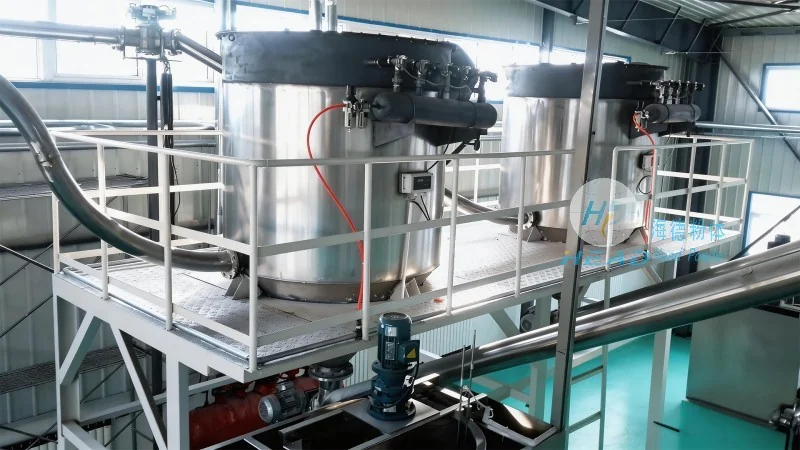
The feeder is responsible for controlling the flow rate of the magnetic powder from the hopper into the conveying line. It is a critical component that ensures consistent and controlled material delivery. There are different types of feeders used in magnetic powder pneumatic conveying systems, such as rotary valves, screw feeders, and vibratory feeders. The choice of feeder depends on the characteristics of the powder, such as its density, flowability, and moisture content. The feeder is designed to minimize product degradation and maintain the integrity of the magnetic particles.
Conveying Line
The conveying line is the pipeline through which the magnetic powder is transported. It is usually made of stainless steel or other materials that are resistant to corrosion and wear. The line is equipped with magnetic elements or separators to ensure that the powder remains within the system and does not escape. The conveying line is designed to handle the pressure and flow requirements of the system, ensuring efficient material transport. The diameter and length of the line are determined based on the volume of material to be conveyed and the distance between the hopper and the receiver.
Receiver
The receiver is the final destination where the magnetic powder is deposited after being conveyed through the line. It is typically a storage tank or a container designed to hold the material. The receiver is equipped with a discharge valve to allow the powder to be released when needed. The design of the receiver ensures that the powder is collected without any loss or contamination. The receiver is often connected to the conveying line via a transition piece to ensure a smooth flow of material.
Control System
The control system is responsible for monitoring and regulating the operation of the magnetic powder pneumatic conveying system. It includes sensors, controllers, and actuators that ensure the system operates within the desired parameters. The control system monitors the pressure, flow rate, and temperature of the system, and adjusts the settings as needed to maintain optimal performance. It also provides alerts and notifications in case of any abnormalities or failures, ensuring that the system can be quickly addressed and repaired. The control system is typically integrated with a user-friendly interface that allows operators to easily monitor and control the system.
Working Principles of the Magnetic Powder Pneumatic Conveying System
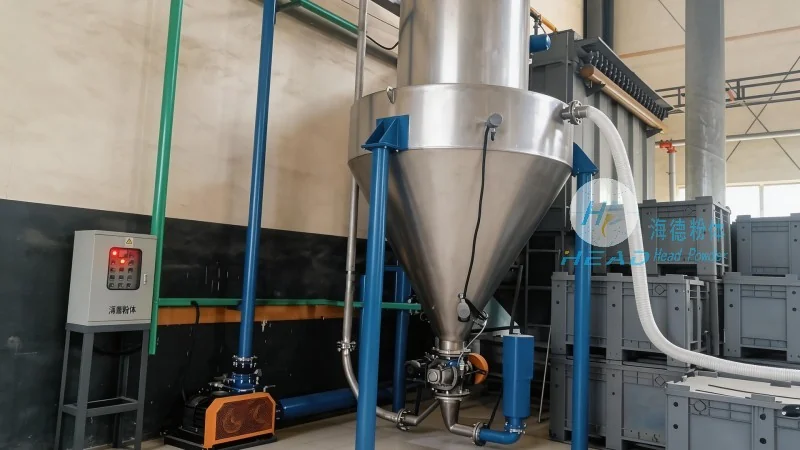
The operation of the magnetic powder pneumatic conveying system involves several steps that are coordinated by the control system. The process begins with the material being fed from the hopper into the feeder. The feeder then controls the flow rate of the powder into the conveying line. Compressed air is then introduced into the line, creating a flow that carries the magnetic powder particles. The magnetic properties of the powder help to keep the particles suspended in the air stream, preventing them from settling or clogging the line. The air and powder mixture travels through the conveying line to the receiver, where the powder is deposited. The air is then filtered and recycled back into the system to maintain efficiency.
Advantages of Magnetic Powder Pneumatic Conveying Systems
Magnetic powder pneumatic conveying systems offer several advantages over traditional material handling methods. These advantages include:
- Efficiency and Speed: The system can transport large volumes of material quickly and efficiently, reducing the time required for material handling.
- Reduced Labor Costs: The automated nature of the system minimizes the need for manual labor, resulting in lower operational costs.
- Minimized Product Contamination: The enclosed system prevents contamination from external sources, ensuring the purity of the magnetic powder.
- Enhanced Safety: The system eliminates the need for manual handling of powders, reducing the risk of dust explosions and other safety hazards.
- Flexibility: The system can be easily adjusted to handle different types of magnetic powders and varying flow rates.
Applications of Magnetic Powder Pneumatic Conveying Systems
Magnetic powder pneumatic conveying systems are widely used in various industries due to their versatility and efficiency. Some common applications include:
- Pharmaceutical Industry: The system is used to transport pharmaceutical powders, such as active ingredients and excipients, ensuring that the products are handled with the highest level of purity and safety.
- Chemical Industry: The system is used to convey chemical powders, such as pigments, catalysts, and reagents, in chemical processing plants.
- Food Processing Industry: The system is used to transport food-grade magnetic powders, such as spices, flavorings, and colorants, in food processing facilities.
- Mineral Processing Industry: The system is used to transport magnetic minerals, such as iron ore and magnetite, in mining and processing operations.
Maintenance and Troubleshooting
Regular maintenance is essential to ensure the optimal performance and longevity of the magnetic powder pneumatic conveying system. The following are some common maintenance tasks and troubleshooting tips:
- Filter Maintenance: The air filter should be cleaned or replaced regularly to prevent clogging and ensure efficient air flow.
- Pipe Inspection: The conveying line should be inspected periodically for signs of wear, corrosion, or blockages.
- Component Replacement: Wearable components, such as the feeder and the valve, should be replaced as needed to maintain system performance.
- Troubleshooting Common Issues: If the system experiences low flow rates or clogging, it may be due to a blockage in the line or a malfunctioning feeder. Checking the filter and ensuring proper feeding can help resolve these issues.
Conclusion
Magnetic powder pneumatic conveying systems are advanced and efficient solutions for transporting magnetic powders in various industrial applications. With its integrated components and controlled operation, the system offers numerous advantages over traditional material handling methods. HeadPowder Engineering Co., Ltd., based in Shandong, China, is a leading manufacturer of these systems, providing high-quality products that meet the diverse needs of the industry. By understanding the structure and working principles of the system, professionals can make informed decisions about its application and maintenance, ensuring optimal performance and reliability.