

Principle and Working Scene Characteristics of Cement Auxiliary Material Pneumatic Conveying Lines
HeadPowder, a leading engineering company based in Shandong, China, specializes in the design and implementation of advanced pneumatic conveying systems tailored for the transportation of cement auxiliary materials. These systems represent a sophisticated solution for material handling in industrial settings, offering efficiency, reliability, and adaptability to various operational needs. This article explores the fundamental principles behind such systems and highlights the key characteristics of their working environments.
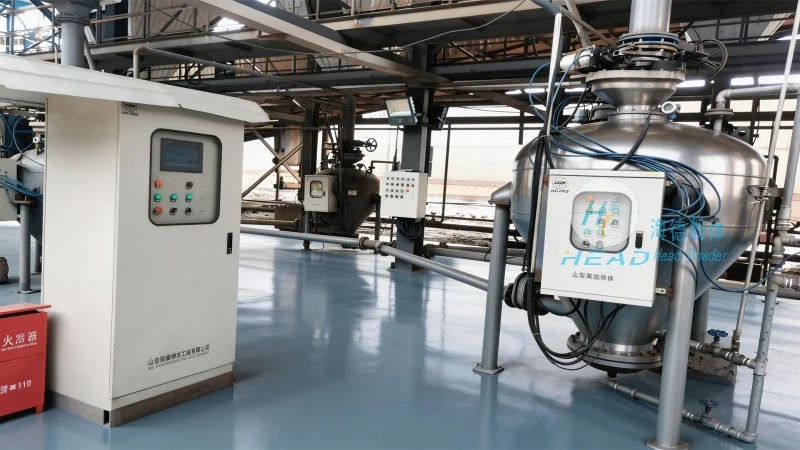
Principle of Pneumatic Conveying for Cement Auxiliary Materials
The core principle of pneumatic conveying involves the use of air or gas to transport bulk materials, such as cement additives, clays, or other supplementary materials, through a pipeline system. Unlike traditional mechanical conveyors, which rely on physical contact and friction to move materials, pneumatic systems utilize differential pressure and air flow to create a "slurrying" effect, where the material is suspended and propelled along the pipeline. This method is particularly effective for handling fine, dusty, or abrasive materials commonly found in cement production processes.
At the heart of the system is a blower or compressor that generates the necessary air pressure. The material is introduced into the pipeline either by a hopper or a feeder, which feeds the material into the air stream. The air flow then carries the material particles, creating a dense phase or dilute phase conveying, depending on the system design and material properties. The choice between dense phase and dilute phase is critical, as it affects the system's capacity, energy consumption, and material degradation risk. Dense phase conveying, for instance, uses higher air velocities to maintain a higher material concentration, reducing the risk of material degradation and ensuring a more uniform flow. Dilute phase conveying, on the other hand, is suitable for longer distances and lower material concentrations, making it ideal for applications where space and cost are primary considerations.
Working Scene Characteristics of Pneumatic Conveying Lines
The working scene characteristics of cement auxiliary material pneumatic conveying lines are defined by several key factors that influence system performance and operational efficiency. These include the nature of the material being transported, the distance and layout of the conveying route, the required throughput, and the environmental conditions of the industrial site.
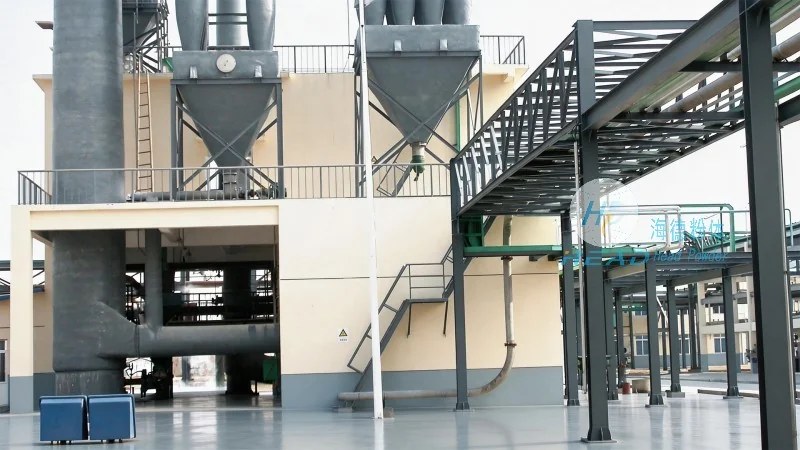
Firstly, the material properties play a significant role. Cement auxiliary materials often consist of fine powders or granules with varying particle sizes, moisture content, and abrasiveness. The system design must account for these characteristics to prevent blockages, material degradation, or equipment wear. For example, materials with high moisture content may require additional drying or moisture control measures to ensure smooth conveying. Similarly, abrasive materials demand the use of high-quality, wear-resistant components, such as pipelines made of stainless steel or special alloys, to extend the system's lifespan.
Secondly, the conveying distance and layout are crucial in determining the system's configuration. Short-distance conveying may use a simple, low-pressure system, while long-distance or complex layouts may require multi-stage conveying, with intermediate storage or booster stations. The system's design must optimize the air pressure and flow rate to minimize energy consumption and ensure consistent material delivery. For instance, in a typical cement plant, auxiliary materials may need to be transported from a storage silo to a mixing or grinding unit, covering distances of several hundred meters. The system must be designed to handle this distance efficiently, with appropriate booster fans to maintain the required pressure throughout the pipeline.
Thirdly, the required throughput and operational speed are critical parameters. The system's capacity is determined by the material's bulk density, the air velocity, and the pipeline diameter. Higher throughput demands higher air flow rates and larger diameter pipelines to prevent material accumulation and ensure smooth operation. The system must also be capable of handling varying material feed rates, such as during start-up or shutdown, without causing pressure surges or material spillage. This flexibility is essential for maintaining the overall efficiency of the cement production process.
Fourthly, environmental conditions, including temperature, humidity, and dust control, are important considerations. Pneumatic conveying systems operate in industrial environments where temperature fluctuations and high humidity levels are common. The system components must be designed to withstand these conditions, with proper insulation or temperature control measures to prevent material caking or equipment failure. Additionally, dust control is a critical aspect, as the system generates fine particles that can affect air quality and worker safety. Proper filtration and ventilation systems are integrated into the design to ensure compliance with environmental regulations and maintain a safe working environment.
Advantages and Applications in Cement Production
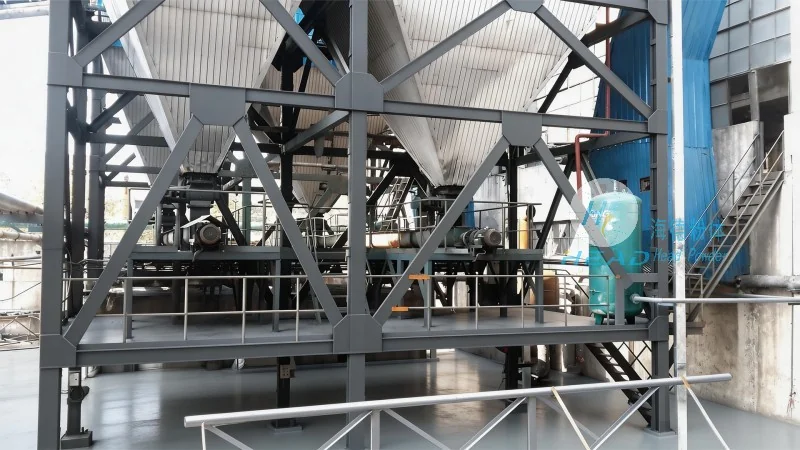
Pneumatic conveying systems for cement auxiliary materials offer several advantages over traditional mechanical conveyors, making them a preferred choice in modern cement production facilities. These advantages include high efficiency, low maintenance, and flexibility in system configuration. The systems are capable of handling a wide range of materials, from fine powders to granules, and can be easily integrated into existing production lines. Additionally, they require minimal space compared to mechanical conveyors, which is beneficial in compact industrial settings.
The applications of these systems are widespread in the cement industry. They are commonly used to transport raw materials such as limestone, clay, and iron ore from storage silos to grinding mills. Auxiliary materials, including gypsum, fly ash, and slag, are also conveyed using pneumatic systems to ensure a consistent and uniform blend in the cement production process. The systems are also used in the distribution of finished cement products, transporting them from the storage silos to loading areas or packaging facilities. In each of these applications, the pneumatic conveying system ensures reliable and efficient material handling, contributing to the overall productivity and quality of the cement production process.
Conclusion
HeadPowder Engineering, with its expertise in pneumatic conveying technology, provides comprehensive solutions for the transportation of cement auxiliary materials. By understanding the fundamental principles of pneumatic conveying and the specific characteristics of working environments, the company designs and implements systems that meet the unique needs of each industrial client. The advantages of these systems, including efficiency, reliability, and adaptability, make them an essential component of modern cement production facilities. As the cement industry continues to evolve, the demand for advanced material handling solutions will remain high, and pneumatic conveying systems will play a critical role in ensuring the smooth operation and productivity of cement plants worldwide.