

Principle and Working Scene Characteristics of ABS Granule Material Pneumatic Conveying Lines
HeadPowder, a leading provider of material handling solutions, specializes in the design and implementation of pneumatic conveying systems for various industrial applications. This article delves into the fundamental principles behind ABS granule material pneumatic conveying lines and highlights the key characteristics of their operational environments.
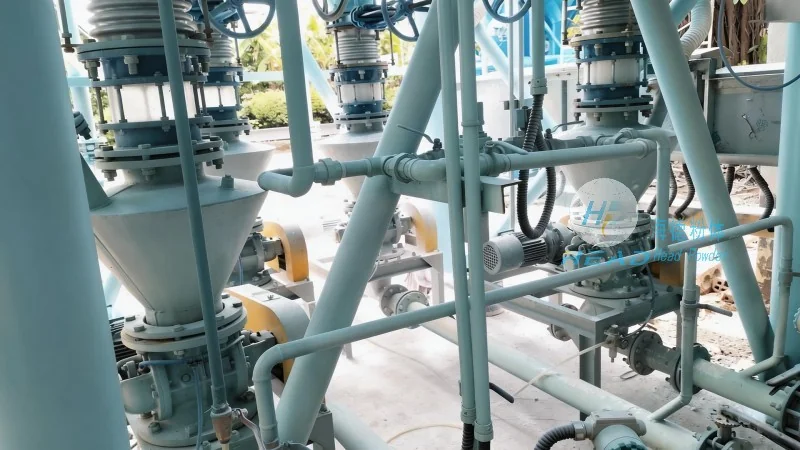
Introduction to Pneumatic Conveying Systems
Pneumatic conveying is a method of transporting bulk materials through a pipeline using a stream of air or gas. It offers a versatile and efficient solution for moving granular materials like ABS (Acrylonitrile Butadiene Styrene) from one location to another within industrial settings. The core of such systems lies in the ability to create a pressure differential that propels the material through the system, ensuring a continuous and controlled flow.
Principle of ABS Granule Material Pneumatic Conveying
The operation of an ABS granule material pneumatic conveying line is based on the principles of fluid dynamics and material handling. The system typically consists of a series of components including a hopper for material storage, a feeder to control the flow rate, a conveyor pipe network, and a separation unit for cleaning the air stream. In a positive pressure system, air is blown into the pipe, creating a high-pressure environment that pushes the ABS granules forward. Conversely, a negative pressure system draws air and material through the pipe using a vacuum. For ABS granules, the choice of system depends on factors such as material properties, required flow rates, and the distance to be covered.
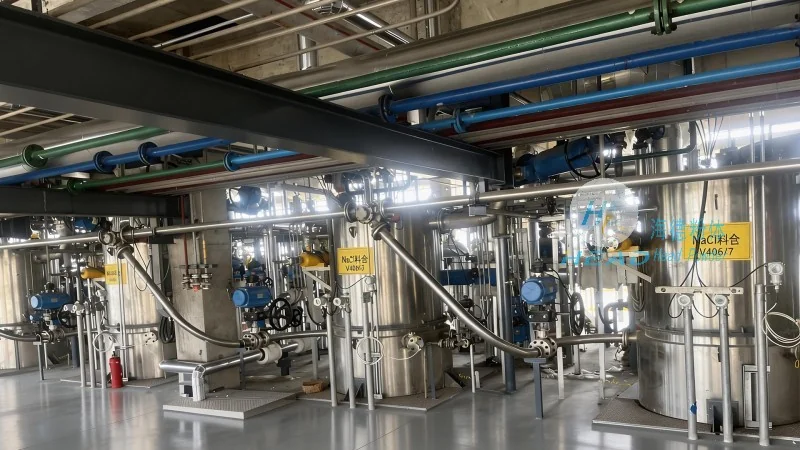
Key Components and Their Functions
Several critical components are integral to the effective operation of an ABS granule pneumatic conveying line. The hopper serves as the storage vessel, ensuring a consistent supply of material. The feeder, often a rotary valve or a screw feeder, regulates the amount of material entering the system, preventing overloading and maintaining a steady flow. The conveyor pipes are made from materials resistant to the chemical properties of ABS, such as stainless steel or specialized plastics, to avoid contamination and ensure durability. The separation unit, which may include cyclones or filters, removes the air from the material stream, allowing the ABS granules to be deposited at the destination. This separation process is crucial for maintaining material purity and preventing dust contamination in the receiving area.
Working Scene Characteristics of ABS Pneumatic Conveying Lines
The operational environments where ABS granule pneumatic conveying lines are deployed exhibit specific characteristics that influence system design and performance. These environments are typically found in manufacturing facilities, such as plastic processing plants, where ABS is used in the production of components for automotive, electronics, and consumer goods industries. The key characteristics of these working scenes include high material throughput requirements, the need for clean and hygienic handling to meet industry standards, and the requirement for minimal material loss or contamination during transport.
In industrial settings, the efficiency and reliability of the pneumatic conveying system directly impact production timelines and product quality. For ABS granules, which are often used in precision applications, any contamination or degradation during transport can affect the final product's performance. Therefore, the working scene demands systems that are designed to maintain material integrity, with features like enclosed pipelines and efficient separation units to prevent dust and moisture from entering the material stream.

Advantages and Applications in Industrial Production
The use of ABS granule material pneumatic conveying lines offers several advantages in industrial production. These systems provide a closed-loop transport solution, reducing the risk of material exposure to the environment and minimizing the risk of dust-related health hazards. They also enable the integration of material handling processes with other production equipment, streamlining the overall workflow. In the context of ABS manufacturing, these systems are commonly used to transport raw granules from storage to processing machines, such as extruders or injection molding equipment. The ability to handle large volumes of material quickly and efficiently supports high production rates, making them essential in modern manufacturing environments.
Conclusion
ABS granule material pneumatic conveying lines represent a sophisticated solution for the efficient and reliable transport of plastic granules in industrial applications. By understanding the underlying principles and the characteristics of their operational environments, manufacturers can optimize their material handling processes, ensuring high productivity, product quality, and operational safety. As a company based in Shandong, China, HeadPowder Engineering Co., Ltd. leverages its expertise to design and implement tailored pneumatic conveying systems that meet the specific needs of clients in various industries.