

Principle and Working Scene Characteristics of Gypsum Material Pneumatic Conveying Lines
HeadPowder, a leading engineering company based in Shandong, China, specializes in the design and implementation of pneumatic conveying systems for various industrial applications. This article delves into the fundamental principles of gypsum material pneumatic conveying lines, exploring their operational mechanisms and the specific working scenarios where they are most effectively utilized.
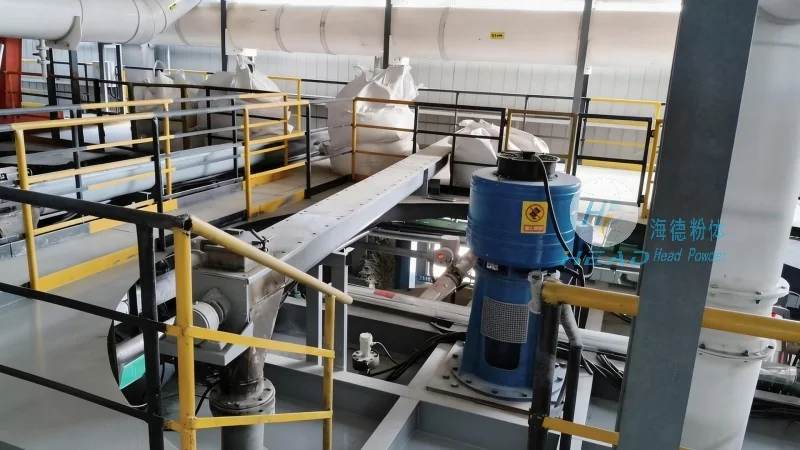
Understanding the Core Principle of Gypsum Material Pneumatic Conveying
Gypsum material pneumatic conveying lines operate on the principle of transporting bulk materials through a pipeline using a stream of air or other gas. The system typically consists of a hopper, a feeder, a conveying line, and a receiver. The process begins with the material being fed from the hopper into the feeder, which controls the flow rate. As the material enters the conveying line, it is entrained by the moving air stream, allowing it to be transported over long distances without the need for mechanical components like belts or buckets. This method is particularly effective for handling fine to medium-sized particles, such as those found in gypsum products, as it minimizes material degradation and ensures consistent flow rates.
Key Components and Their Functions in the System
The effectiveness of a gypsum material pneumatic conveying line relies on several critical components, each playing a specific role in the overall operation. The hopper serves as the storage and feeding unit, ensuring a steady supply of material. The feeder, often a rotary or vibratory type, regulates the material flow into the conveying line, preventing blockages and maintaining uniform particle distribution. The conveying line itself is usually made of stainless steel or other corrosion-resistant materials to handle the abrasive nature of gypsum particles. The air or gas used for conveying is typically supplied by a blower or compressor, which generates the necessary pressure and velocity to move the material. Finally, the receiver collects the material at the end of the line, separating it from the air stream through a cyclone or other filtration system.
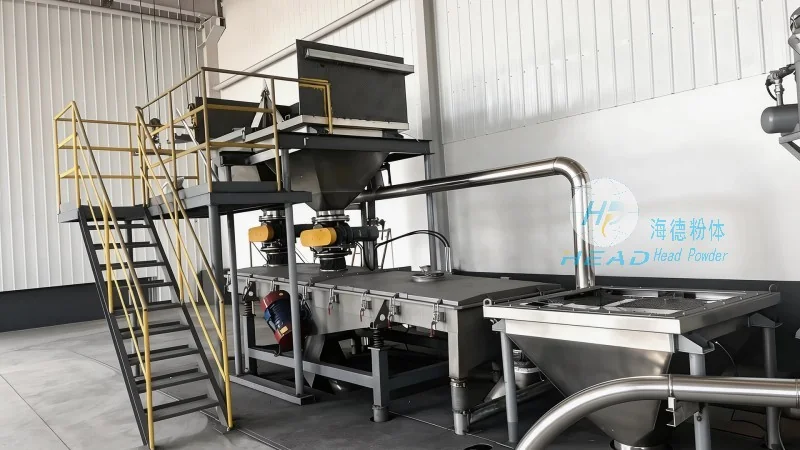
Working Scene Characteristics: When Pneumatic Conveying is Ideal
Gypsum material pneumatic conveying lines are particularly well-suited for applications where traditional mechanical conveying methods are impractical or inefficient. For instance, in the production of gypsum boards, these systems are used to transport raw gypsum from storage to processing units, ensuring a continuous and clean flow of material. In construction sites, they can be employed to move gypsum products from a central storage facility to various work areas, reducing labor costs and improving safety by eliminating the need for manual handling. Additionally, in industrial settings where dust control is a priority, pneumatic conveying offers a dust-free solution compared to other methods, making it ideal for environments where air quality regulations are stringent.
Advantages of Gypsum Material Pneumatic Conveying Lines
Implementing a gypsum material pneumatic conveying line offers several advantages over traditional conveying methods. One of the primary benefits is the reduction in material handling time and labor costs, as the system automates the entire process from storage to delivery. The enclosed nature of the system also minimizes dust exposure, enhancing workplace safety and compliance with environmental regulations. Furthermore, the system's ability to handle fine particles without degradation ensures product quality is maintained throughout the conveying process. Another key advantage is the flexibility in system design, allowing for customization based on the specific requirements of the application, such as distance, material type, and throughput capacity.
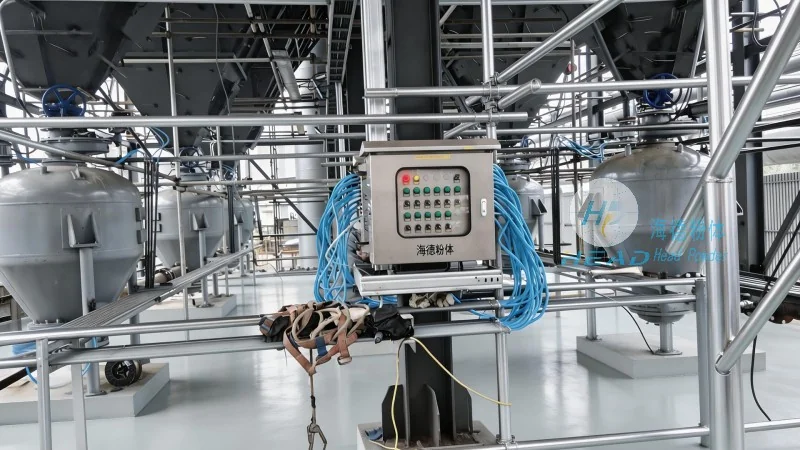
Applications in Different Industries
The versatility of gypsum material pneumatic conveying lines makes them applicable across various industries. In the building materials sector, they are commonly used in the production of gypsum boards, plaster, and other gypsum-based products. The system's efficiency in transporting raw materials and finished products streamlines the manufacturing process, increasing overall productivity. In the agricultural industry, similar principles are applied to transport gypsum for soil conditioning, where the material is delivered to fields in a controlled manner. Additionally, in the chemical industry, these systems can be adapted to handle gypsum waste or byproducts, facilitating their proper disposal or reuse.
Conclusion: The Role of HeadPowder in Implementing Effective Gypsum Conveying Solutions
HeadPowder Engineering Co., Ltd., with its expertise in engineering and material handling, plays a crucial role in designing and implementing gypsum material pneumatic conveying lines that meet the specific needs of various industries. By leveraging the principles of pneumatic conveying and incorporating advanced components, the company ensures that its systems are efficient, reliable, and safe. As industries continue to seek more effective and sustainable material handling solutions, the role of such systems becomes increasingly important, and companies like HeadPowder are at the forefront of providing innovative solutions tailored to the demands of modern manufacturing and construction.