

What is an Additive Powder Conveying Line? And What Are Its Design Principles?
HeadPowder, a leading manufacturer based in Shandong, China, specializes in providing advanced solutions for powder handling systems. This article explores the concept of an additive powder conveying line and delves into its core design principles, offering insights into how these systems efficiently manage and transport powdered additives in various industrial applications.
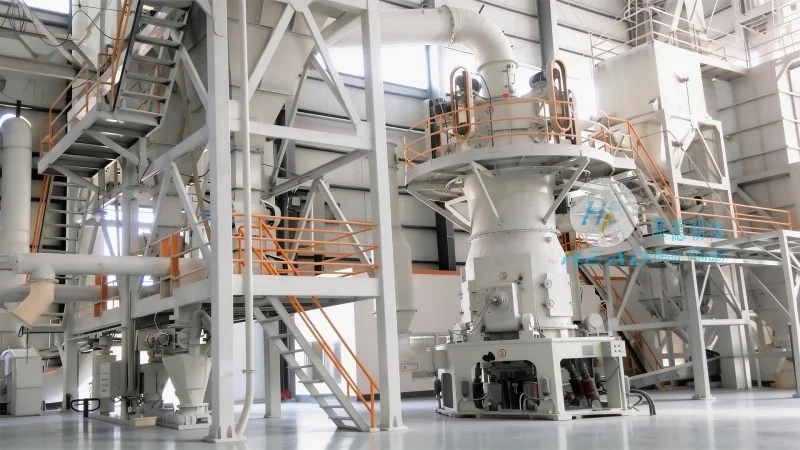
Understanding Additive Powder Conveying Lines
An additive powder conveying line is a specialized system engineered to transport, mix, and distribute powdered additives—such as chemicals, pigments, or functional ingredients—throughout industrial processes. These lines are critical in sectors like pharmaceuticals, food production, and chemical manufacturing, where precise control over powder flow and consistency is paramount. The system typically comprises components like hoppers, conveyors, control panels, and feeding mechanisms, all working in tandem to ensure seamless material handling from storage to processing.
Key Design Principles of Additive Powder Conveying Lines
The design of an additive powder conveying line is guided by several fundamental principles aimed at optimizing performance, safety, and efficiency. One of the primary considerations is the prevention of material segregation and agglomeration, which can compromise product quality. To address this, systems often incorporate features like vibration feeders, rotary valves, and air seals to maintain uniform particle distribution. Additionally, the design prioritizes dust control and environmental safety, incorporating dust collection systems and sealed enclosures to minimize airborne particulates and comply with industrial regulations.
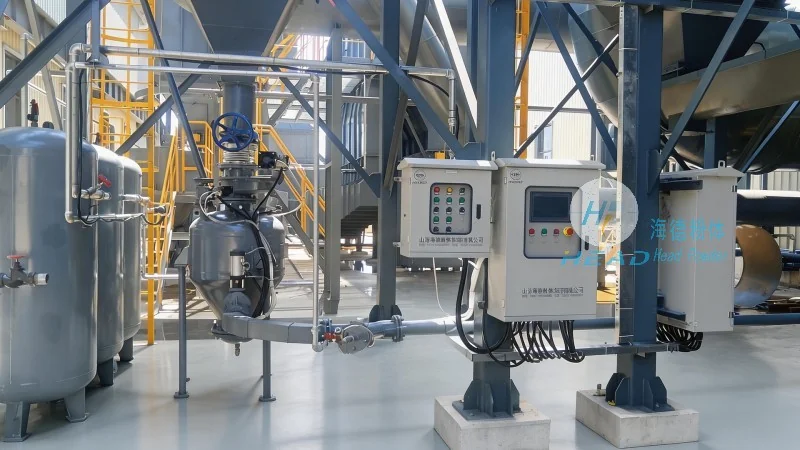
Another critical design principle is the integration of precise control mechanisms. Modern additive powder conveying lines are equipped with advanced sensors and automation systems that monitor flow rates, pressure, and temperature in real-time. This allows for dynamic adjustments to maintain consistent product quality and prevent equipment damage. The control panel, typically located in a central or remote position, enables operators to manage multiple lines simultaneously, enhancing operational flexibility and reducing downtime.
Components and Their Functions in the Conveying Line
The effectiveness of an additive powder conveying line relies on the proper integration of several key components. The hopper serves as the primary storage unit, designed to hold the bulk of the powdered additive while minimizing material degradation. It is often equipped with liners or coatings to prevent corrosion or contamination, especially for chemically reactive materials. The conveyor system, which may include screw conveyors, pneumatic ducts, or belt conveyors, is responsible for transporting the powder from the hopper to the processing equipment. The choice of conveyor type depends on factors such as material properties, flow rate requirements, and space constraints.
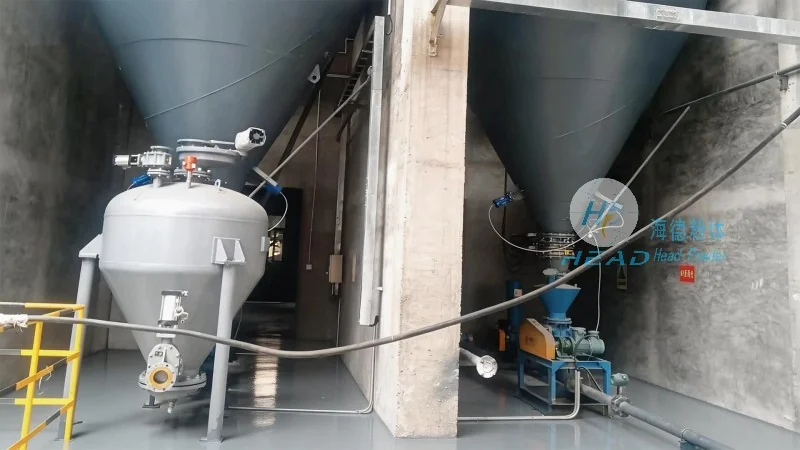
The feeding mechanism, such as a rotary valve or a vibratory feeder, regulates the flow of powder from the hopper to the conveyor. These components ensure a controlled and consistent discharge rate, preventing overloading or underflow that could disrupt downstream processes. The control panel, as mentioned earlier, houses the automation system, which includes programmable logic controllers (PLCs) and human-machine interfaces (HMIs). These systems allow operators to set parameters like flow rate, speed, and timing, and provide alerts for any deviations or maintenance needs.
Applications and Benefits of Additive Powder Conveying Lines
Additive powder conveying lines are widely used in industries where uniform mixing and precise dosing of powdered additives are essential. In the pharmaceutical industry, for example, these systems ensure that active pharmaceutical ingredients (APIs) are accurately blended with excipients to maintain drug efficacy and consistency. In food production, they help in the uniform distribution of flavorings, colorants, or nutritional supplements, enhancing product quality and meeting regulatory standards. The benefits of these systems extend beyond efficiency; they also contribute to improved workplace safety by reducing manual handling of powders and minimizing dust exposure.
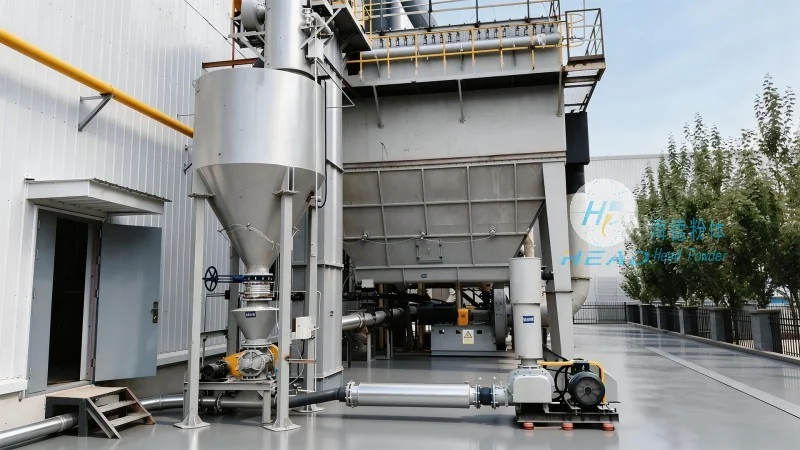
Furthermore, the design of these lines supports scalability and adaptability. As production needs evolve, the system can be easily modified or expanded to accommodate higher volumes or additional processing steps. This flexibility makes additive powder conveying lines a long-term investment for companies seeking to optimize their material handling processes and maintain competitiveness in their respective markets.
Conclusion
In summary, an additive powder conveying line is a sophisticated system designed to handle powdered additives with precision and efficiency. From its core design principles, which prioritize material control and safety, to its integrated components that ensure seamless operation, these systems play a vital role in modern industrial processes. By understanding the functionality and benefits of such lines, businesses can enhance their operational capabilities and achieve higher standards of product quality and reliability. HeadPowder, with its expertise in powder engineering, continues to innovate and provide tailored solutions that meet the evolving needs of industries worldwide.