

How to Design a Reasonable Sodium Phosphate Pneumatic Conveying System Plan
For industrial applications involving sodium phosphate, the design of an efficient and reliable pneumatic conveying system is crucial. This article provides a comprehensive guide on how to develop a well-structured plan for such systems, focusing on key considerations and practical steps to ensure optimal performance and safety. The information is presented by Shandong HeadPowder Engineering Co., Ltd., a leading engineering firm based in Shandong, China, with extensive expertise in material handling solutions.
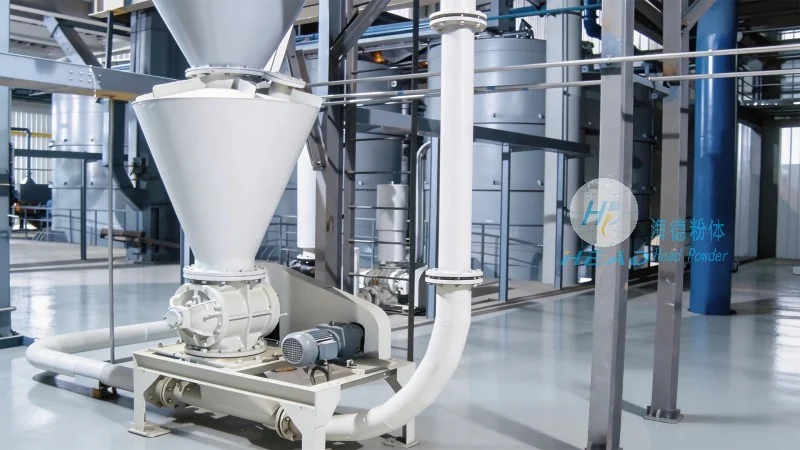
Understanding the Core Requirements of Sodium Phosphate Pneumatic Conveying
Before diving into the design process, it is essential to understand the specific characteristics of sodium phosphate and the operational demands of the application. Sodium phosphate, commonly used in various industries such as food processing, pharmaceuticals, and chemical manufacturing, presents unique challenges due to its particle size, moisture content, and flow properties. A well-designed pneumatic conveying system must account for these factors to prevent issues like blockages, material degradation, or system inefficiencies. The first step is to gather detailed information about the material, including its bulk density, particle size distribution, and any potential moisture or dust content. This data is critical for selecting the appropriate conveying method—whether it’s a pressure or vacuum system—and determining the necessary air flow rates and pressure levels.
Key Design Considerations for Pneumatic Conveying Systems
Several critical factors must be addressed during the design phase to ensure the system meets operational requirements and safety standards. The choice between pressure and vacuum conveying is a primary decision point. Pressure systems use compressed air to push material through the pipeline, while vacuum systems use suction to draw material from the source. The selection depends on the distance, elevation changes, and material characteristics. For sodium phosphate, which may have cohesive properties, pressure systems are often preferred as they can handle higher material loads and reduce the risk of clogging. Additionally, the system design must consider the overall layout, including the number and location of inlets and outlets, as well as the pipeline routing to minimize pressure losses and ensure smooth material flow. The use of appropriate fittings, such as elbows, tees, and bends, is essential to maintain consistent air velocity and prevent material accumulation in low-flow areas.
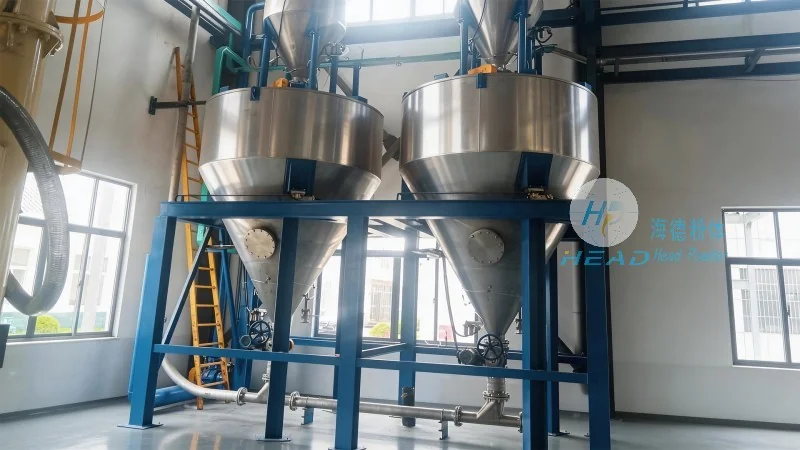
Calculating Air Flow and Pressure Requirements
Accurate calculation of air flow and pressure is fundamental to the success of a pneumatic conveying system. The air flow rate is determined by the material's flow properties and the desired conveying velocity. For sodium phosphate, a typical conveying velocity ranges from 20 to 30 meters per second, depending on the particle size and system configuration. The pressure required to achieve this velocity can be calculated using the Bernoulli equation and considering the pressure losses due to friction, fittings, and elevation changes. The system must also account for the pressure drop across the entire pipeline, which increases with the length and diameter of the pipe and the number of fittings. Proper sizing of the air compressor or vacuum pump is essential to maintain the required pressure and flow rates under varying load conditions. Shandong HeadPowder Engineering Co., Ltd. employs advanced computational fluid dynamics (CFD) tools to simulate the system and optimize the air flow and pressure parameters, ensuring efficient operation and energy savings.
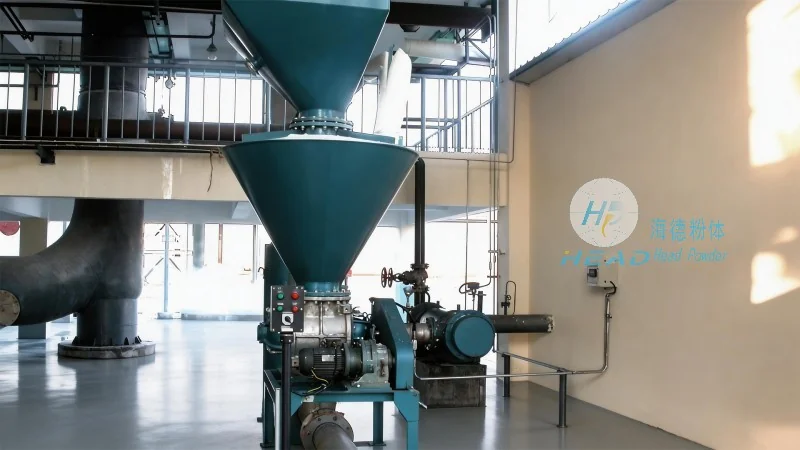
Selecting Appropriate Equipment for the System
The selection of equipment, including the air compressor, material feeders, and pipeline components, directly impacts the system's performance and longevity. The air compressor must be capable of delivering the required pressure and flow rate, with considerations for noise levels and energy efficiency. For pressure systems, positive displacement compressors are commonly used, while vacuum systems may employ rotary vane or roots-type vacuum pumps. The material feeder, such as a rotary valve or a star feeder, must be designed to handle the specific characteristics of sodium phosphate, ensuring consistent material feed and preventing blockages. The pipeline material, typically stainless steel or PVC, must be chosen based on the material's corrosiveness and the system's operating conditions. Stainless steel is preferred for its durability and resistance to chemical corrosion, while PVC is suitable for non-corrosive applications. The system should also include safety features, such as pressure relief valves and dust collection systems, to ensure compliance with safety regulations and protect personnel from potential hazards.
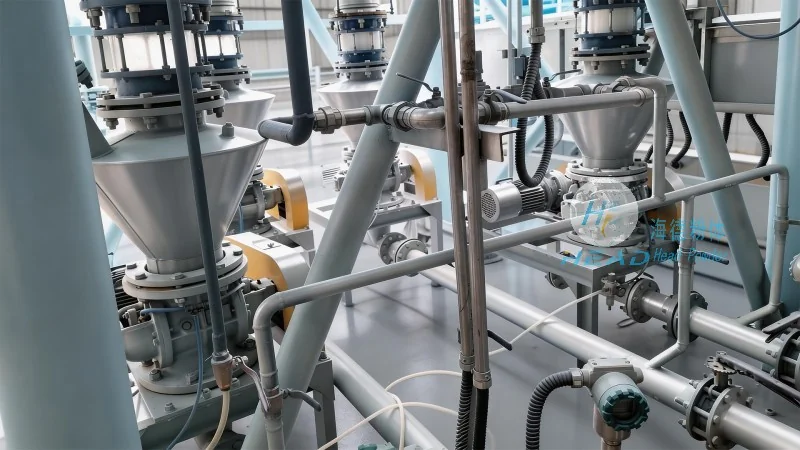
Implementation and Maintenance of the Pneumatic Conveying System
Once the design is finalized, the implementation phase involves the installation and commissioning of the system. Shandong HeadPowder Engineering Co., Ltd. provides comprehensive installation services, ensuring that all components are properly installed and aligned to minimize pressure losses and ensure smooth operation. The commissioning process includes testing the system under various load conditions to verify that it meets the design specifications. Regular maintenance is crucial to maintain the system's performance and extend its lifespan. This includes routine checks of the air compressor, material feeders, and pipeline for any signs of wear or damage. The system should also be equipped with monitoring tools to track air flow, pressure, and material flow rates, allowing for timely adjustments and troubleshooting. By following a structured maintenance schedule, the system can operate efficiently and reliably for years, minimizing downtime and operational costs.
Conclusion
Designing a reasonable sodium phosphate pneumatic conveying system requires a thorough understanding of the material properties, operational requirements, and system design principles. By following the steps outlined above, including accurate calculations, appropriate equipment selection, and proper implementation, industrial facilities can achieve efficient and safe material handling. Shandong HeadPowder Engineering Co., Ltd. offers expert engineering services to assist clients in designing and implementing such systems, ensuring optimal performance and compliance with industry standards. With its headquarters in Shandong, China, the company leverages local expertise and advanced technology to deliver customized solutions tailored to the specific needs of each project.