

Calcium Sulfate Pneumatic Conveying: How to Efficiently Transport Powdered Materials with Air Flow
Pneumatic conveying has emerged as a highly effective method for transporting calcium sulfate, a critical powder material widely used in industries such as construction, agriculture, and pharmaceuticals. This technology leverages air flow to move bulk materials through pipelines, offering a flexible and efficient alternative to traditional mechanical conveying systems. For businesses dealing with calcium sulfate, understanding the principles and applications of pneumatic conveying is essential to optimize material handling processes and enhance operational efficiency.
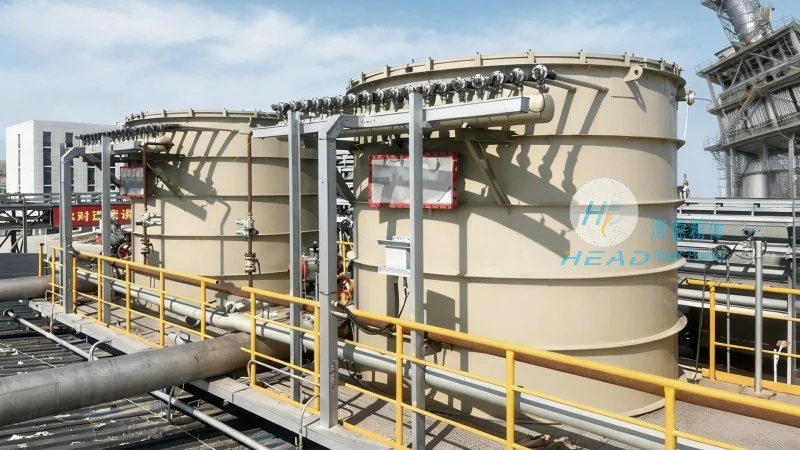
The Role of Air Flow in Efficient Material Handling
The core of pneumatic conveying lies in the interaction between air and the powder particles. By creating a controlled airflow within a pipeline, the system can lift, transport, and deposit calcium sulfate with minimal friction and energy loss. This method not only reduces the need for heavy machinery and labor but also minimizes material degradation and contamination. The efficiency of air flow in conveying calcium sulfate depends on several factors, including particle size, moisture content, and the design of the conveying system. Properly engineered air flow ensures consistent material movement, preventing blockages and maintaining system reliability.
HeadPowder's Expertise in Pneumatic Conveying Systems
Shandong HeadPowder Engineering Co., Ltd., based in China, specializes in designing and manufacturing advanced pneumatic conveying solutions tailored to the unique needs of calcium sulfate applications. With years of experience in the field, HeadPowder has developed a comprehensive range of systems that cater to various operational requirements, from low to high-pressure conveying. The company's expertise lies in integrating cutting-edge technology with practical engineering solutions, ensuring that each system is optimized for performance, durability, and cost-effectiveness. HeadPowder's commitment to quality and customer satisfaction has made it a trusted partner for businesses seeking reliable calcium sulfate handling solutions.
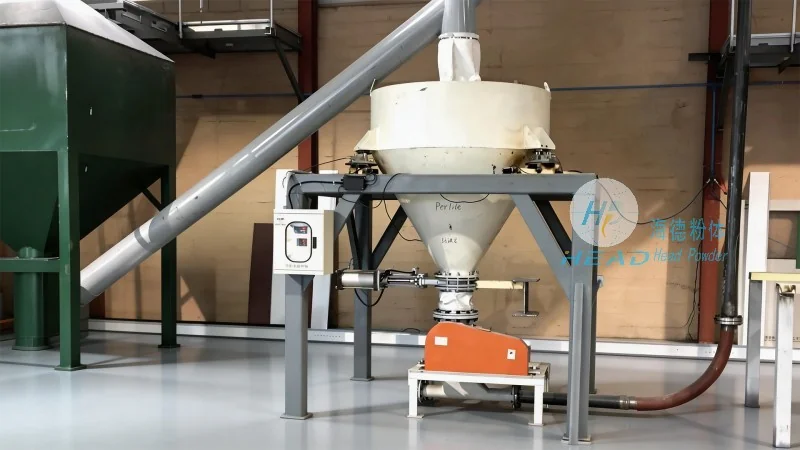
Key Features and Benefits of Our Calcium Sulfate Conveying Solutions
Our pneumatic conveying systems for calcium sulfate are equipped with several key features that enhance operational performance. These include adjustable air flow control, which allows for precise regulation of material movement; robust pipeline designs that withstand the abrasive nature of calcium sulfate; and advanced filtration systems to maintain material purity. The benefits of using these solutions are significant, including reduced downtime due to fewer maintenance requirements, lower energy consumption compared to traditional methods, and improved safety by eliminating manual handling of bulk materials. Additionally, the flexibility of pneumatic conveying enables easy integration with existing production lines, minimizing disruption during installation and operation.

Application Scenarios and Operational Advantages
Calcium sulfate is used in diverse applications, and our conveying systems are adaptable to meet these varied needs. For example, in the construction industry, where calcium sulfate is used as a raw material for plaster and cement, our systems can efficiently transport the material from storage to production facilities. In the agricultural sector, where it serves as a soil amendment, the systems can deliver the material to farms with minimal environmental impact. The operational advantages of our solutions extend beyond efficiency, as they also contribute to improved workplace safety by reducing the risk of dust exposure and material spills. Furthermore, the ability to convey calcium sulfate in a closed system helps maintain environmental standards and regulatory compliance.
Technical Considerations for Optimal Performance
Achieving optimal performance in calcium sulfate pneumatic conveying requires careful consideration of several technical factors. Particle size distribution is a critical parameter, as larger particles may require higher air velocities to ensure smooth transport. Moisture content also plays a role, as excess moisture can lead to caking and blockages in the pipeline. The system design, including the choice of air compressor type and pipeline diameter, must be tailored to the specific characteristics of the calcium sulfate being handled. Regular maintenance and monitoring of the system are essential to prevent issues such as air leaks or filter clogging, which can impact performance. By addressing these technical considerations, businesses can maximize the efficiency and longevity of their pneumatic conveying systems.