

What is a Desulfurization Gypsum Powder Conveying Line? What Are Its Design Principles?
Desulfurization gypsum is a byproduct of flue gas desulfurization processes in power plants and industrial facilities. It is a fine powder that requires efficient and reliable handling for various applications, such as cement production, wallboard manufacturing, and construction materials. The desulfurization gypsum powder conveying line is a specialized system designed to transport this material safely and effectively from the source to the processing or storage location. This article explores the components, design principles, and operational aspects of such a conveying line, highlighting the importance of efficient material handling in industrial applications, with a focus on the solutions provided by Shandong HeadPowder Engineering Co., Ltd. (headpowder), a leading manufacturer in the field.
Understanding the Desulfurization Gypsum Powder Conveying Line
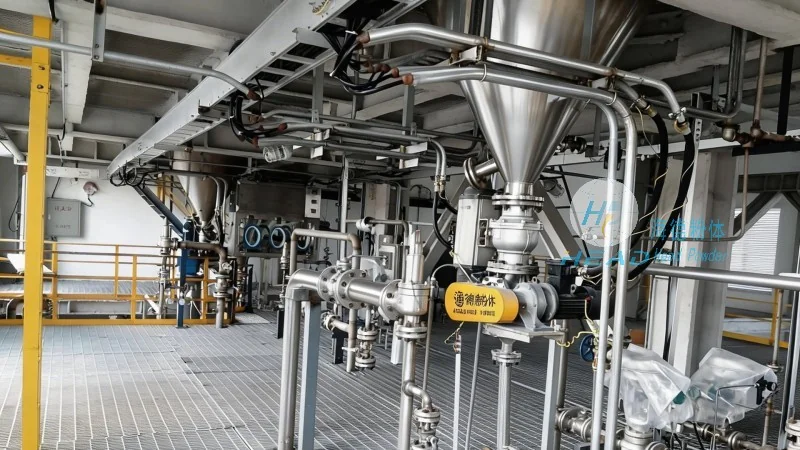
The desulfurization gypsum powder conveying line is a critical component in industrial processes that utilize flue gas desulfurization. This system is engineered to handle the fine, dry powder produced during the desulfurization process. The primary goal is to transport the gypsum efficiently while maintaining its quality and preventing dust emissions. The line typically consists of several key components, including feeders, conveyors, dust collection systems, and control mechanisms. Each component plays a vital role in ensuring the smooth and safe operation of the entire system.
Key Components of the Conveying Line
The conveying line for desulfurization gypsum powder typically includes several essential components. The first is the feeder, which is responsible for feeding the gypsum from the storage silo or hopper into the conveyor system. Common types of feeders include screw feeders, belt feeders, and rotary valves, each chosen based on the specific characteristics of the gypsum and the required flow rate. The conveyor itself is a central part of the system, and it can be of various types, such as pneumatic conveyors, screw conveyors, or belt conveyors. Pneumatic conveyors are often preferred for fine powders like desulfurization gypsum due to their ability to handle dust and maintain a clean environment. The conveyor transports the gypsum through a network of pipes or troughs, ensuring it moves from the source to the processing plant or storage area. Additionally, the system includes a dust collection system, which is crucial for maintaining air quality and complying with environmental regulations. This system typically uses filters or cyclones to capture any fine particles that may be released during the conveying process. Finally, the control mechanisms, including sensors and control panels, monitor the flow rate, pressure, and other parameters to ensure the system operates within safe and efficient limits.
Design Principles for Efficient Operation
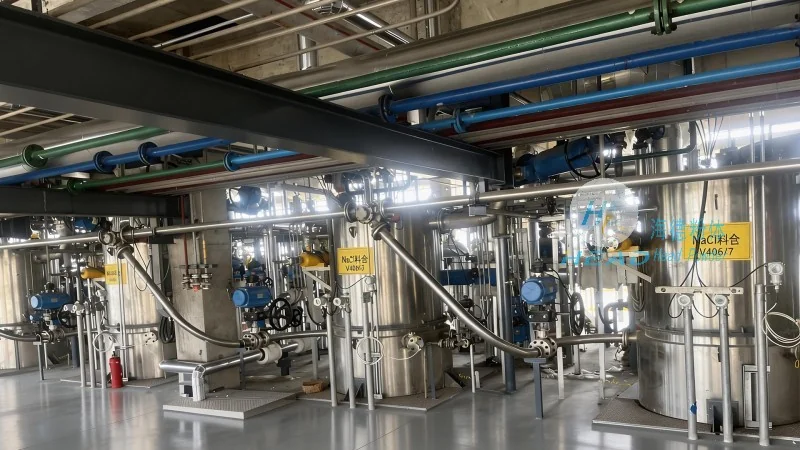
The design of a desulfurization gypsum powder conveying line is based on several key principles to ensure optimal performance and reliability. The first principle is the minimization of material degradation and loss. This is achieved by using appropriate equipment that can handle the fine powder without causing it to clump or degrade. For example, the use of pneumatic conveyors with low-pressure systems helps to prevent the gypsum from becoming compacted or damaged during transport. The second principle is the prevention of dust emissions. This is critical for both environmental compliance and worker safety. The dust collection system is designed to capture and filter any particles that may escape from the conveyor, ensuring that the air quality remains within acceptable limits. The third principle is the maintenance of consistent flow rates. This is essential for the downstream processes that rely on a steady supply of gypsum. The control mechanisms in the system help to regulate the flow rate, ensuring that it remains stable and does not fluctuate significantly. The fourth principle is the ease of maintenance and operation. The components are designed to be easily accessible and maintainable, reducing downtime and operational costs. This includes features such as quick-release connections, easy-to-clean parts, and user-friendly control panels.
Operational Considerations and Best Practices
When operating a desulfurization gypsum powder conveying line, several considerations and best practices should be followed to ensure the system operates efficiently and safely. First, regular maintenance is crucial. This includes cleaning the conveyor system, checking the condition of the belts or pipes, and inspecting the dust collection system. Regular maintenance helps to prevent issues such as blockages, leaks, or increased dust emissions. Second, proper training of operators is essential. Operators should be trained on the safe operation of the system, including how to handle emergencies, such as blockages or equipment failures. This training helps to ensure that the system is operated correctly and that any issues are addressed promptly. Third, monitoring the system's performance is important. This includes tracking key parameters such as flow rate, pressure, and temperature. By monitoring these parameters, operators can identify any issues early and take corrective action before they become major problems. Fourth, compliance with environmental regulations is a critical consideration. The system must be designed and operated to meet all relevant environmental standards, including those related to dust emissions and waste management. This may involve using advanced filtration systems or implementing other measures to reduce the environmental impact of the operation.
Applications and Benefits of the Conveying Line
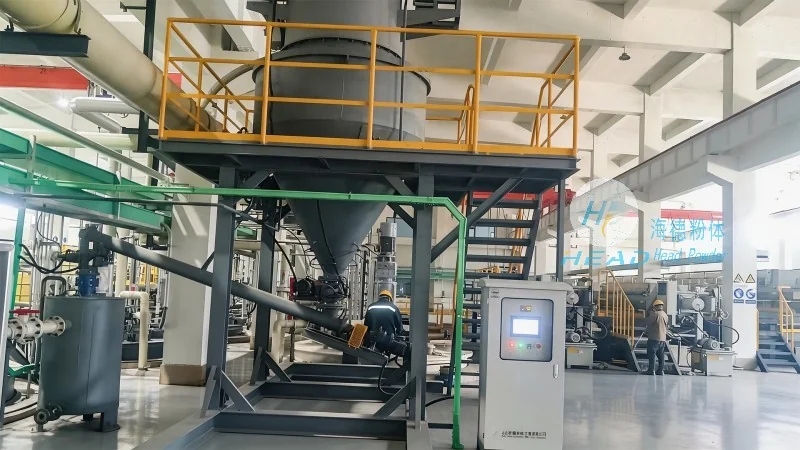
The desulfurization gypsum powder conveying line has several important applications in various industries. The most common application is in the production of gypsum-based products, such as wallboard and cement. The fine powder is a key ingredient in these products, and the conveying line ensures that it is delivered to the production facility in a consistent and efficient manner. Another application is in the construction industry, where the gypsum is used as a building material. The conveying line helps to transport the material to construction sites, ensuring that it is available when needed. Additionally, the gypsum can be used in other applications, such as soil amendment and fertilizer production. The conveying line plays a vital role in making this material available for these uses. The benefits of using a desulfurization gypsum powder conveying line include improved efficiency, reduced labor costs, and enhanced safety. The system allows for the automated handling of the gypsum, reducing the need for manual labor and minimizing the risk of accidents. Additionally, the system helps to maintain the quality of the gypsum, ensuring that it is suitable for its intended applications. Finally, the system helps to reduce the environmental impact of the operation by minimizing dust emissions and ensuring compliance with environmental regulations.
Conclusion
In conclusion, the desulfurization gypsum powder conveying line is a critical system for the efficient handling of desulfurization gypsum. It is designed to transport the fine powder from the source to the processing or storage location while maintaining its quality and preventing dust emissions. The system consists of several key components, including feeders, conveyors, dust collection systems, and control mechanisms. The design principles focus on minimizing material degradation, preventing dust emissions, maintaining consistent flow rates, and ensuring ease of maintenance. When operated correctly, the system provides several benefits, including improved efficiency, reduced labor costs, and enhanced safety. The system is widely used in industries such as cement production, wallboard manufacturing, and construction, where the gypsum is a key ingredient. By understanding the components and design principles of the conveying line, industrial facilities can ensure that they are using an efficient and reliable system for handling desulfurization gypsum.