

Principle and Working Scene Characteristics of Limestone Powder Material Pneumatic Conveying Line
HeadPowder, a leading provider of material handling solutions, specializes in the design and implementation of pneumatic conveying systems for limestone powder and similar bulk materials. This article explores the fundamental principles behind such systems and highlights the key working scene characteristics that define their effectiveness in industrial applications.
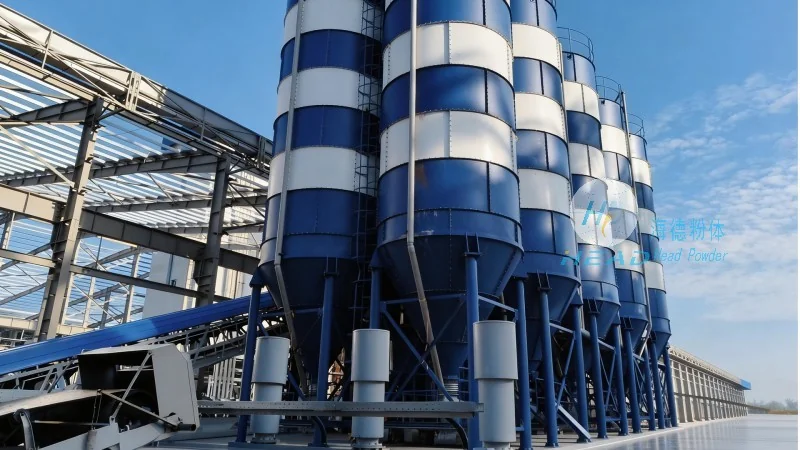
Introduction to Limestone Powder Pneumatic Conveying
Limestone powder, a widely used raw material in industries such as cement production, chemical manufacturing, and environmental remediation, requires efficient and reliable transportation methods to maintain production efficiency and product quality. Pneumatic conveying lines offer a solution by utilizing air pressure to transport dry powders like limestone powder through pipelines. The core principle involves creating a flow of air that carries the powder particles, ensuring a continuous and controlled movement from the source to the destination.
Principle of Pneumatic Conveying for Limestone Powder
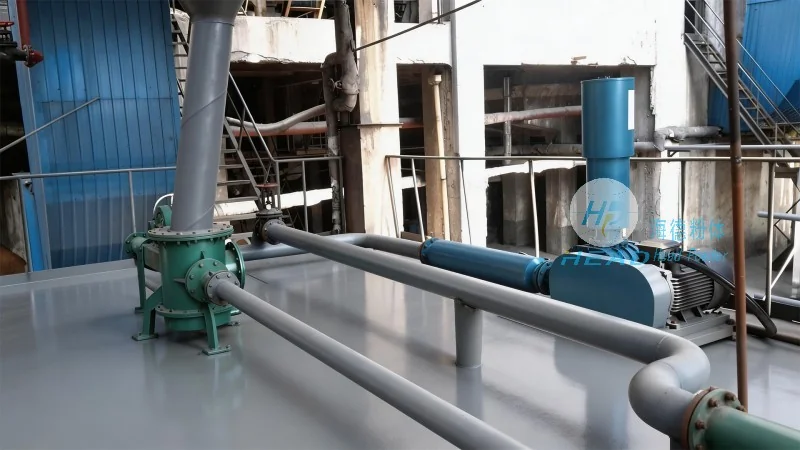
The pneumatic conveying system for limestone powder operates on the principle of air flow and particle suspension. In a typical setup, a blower or compressor generates high-pressure air that is introduced into the conveying line. As the air moves through the pipeline, it creates a low-pressure zone downstream, which draws the limestone powder into the system. The powder particles are then suspended in the air stream and transported to the receiving hopper or processing unit. This process eliminates the need for mechanical components like belts or buckets, reducing maintenance and operational costs while ensuring a dust-free and hygienic transfer.
Key Components of the Limestone Powder Pneumatic Conveying System
Several critical components work in tandem to ensure the efficient operation of a limestone powder pneumatic conveying line. These include the air supply unit (blower or compressor), the conveying pipeline (usually made of stainless steel or other corrosion-resistant materials to handle limestone's chemical properties), a feeding device (like a rotary valve or screw feeder) to introduce the powder into the system, and a receiving hopper or silo to collect the material at the end of the line. Additionally, filters and cyclones are often integrated to separate the powder from the air stream, ensuring clean air is discharged and the powder is recovered efficiently.
Working Scene Characteristics and Applications
The effectiveness of a limestone powder pneumatic conveying line is heavily influenced by the working scene characteristics, which vary based on the industry and specific application. For instance, in cement plants, these systems are used to transport limestone from storage silos to the raw material mill, where it is ground into fine powder for cement production. The high-volume and continuous nature of this application demands robust systems capable of handling large quantities of limestone powder without clogging or loss of material.
In chemical manufacturing, limestone powder is used as a filler or neutralizer in various processes. The pneumatic conveying system must be designed to handle potentially abrasive or corrosive powders, ensuring the pipeline and components are durable and resistant to wear. Environmental considerations also play a role, as the system must minimize dust emissions and comply with air quality regulations, making sealed and efficient designs essential.
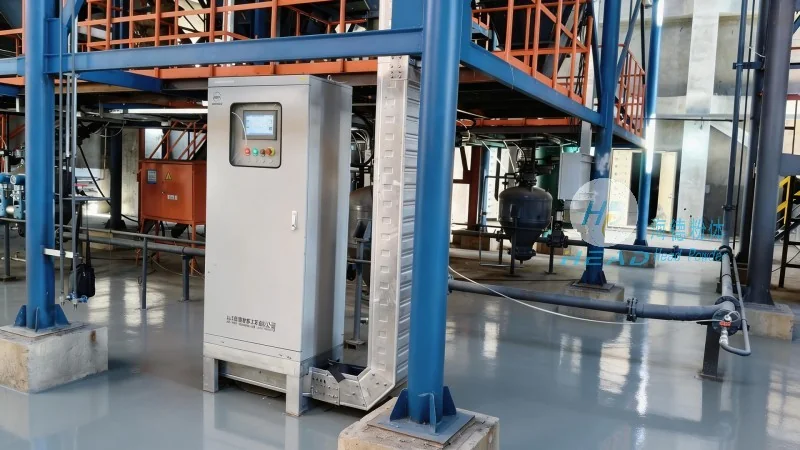
In environmental remediation projects, limestone powder is used for neutralizing acidic soils or water. The working scene may involve on-site applications where the conveying system is mobile or semi-mobile, requiring flexibility and reliability in diverse outdoor conditions. The system must be able to handle varying particle sizes and moisture content, adapting to the specific characteristics of the limestone powder being used.
Advantages and Considerations in Limestone Powder Pneumatic Conveying
Pneumatic conveying systems for limestone powder offer several advantages over traditional mechanical methods. These include reduced material degradation due to minimal contact with mechanical parts, lower energy consumption compared to bulk handling equipment, and the ability to transport materials over long distances without the need for intermediate storage. However, the system design must consider the specific properties of limestone powder, such as its density, particle size distribution, and flowability, to prevent issues like clogging or uneven flow.
HeadPowder, with its headquarters in Shandong, China, leverages decades of expertise in material handling to design customized pneumatic conveying solutions tailored to the unique requirements of each working scene. By integrating advanced technology and robust engineering, HeadPowder ensures that limestone powder is transported efficiently, safely, and in compliance with industry standards, providing clients with reliable and cost-effective material handling solutions.