

Principle and Working Scene Characteristics of Sweet Potato Material Pneumatic Conveying Line
For agricultural processing enterprises, the efficient handling of sweet potato materials is crucial to the smooth operation of production lines. As a professional manufacturer, Shandong HeadPowder Engineering Co., Ltd. provides advanced pneumatic conveying solutions tailored for sweet potato processing. This article will delve into the principle of sweet potato material pneumatic conveying lines and the characteristics of their working scenes, helping users better understand the technology and its practical applications.
Understanding the Principle of Sweet Potato Material Pneumatic Conveying Lines
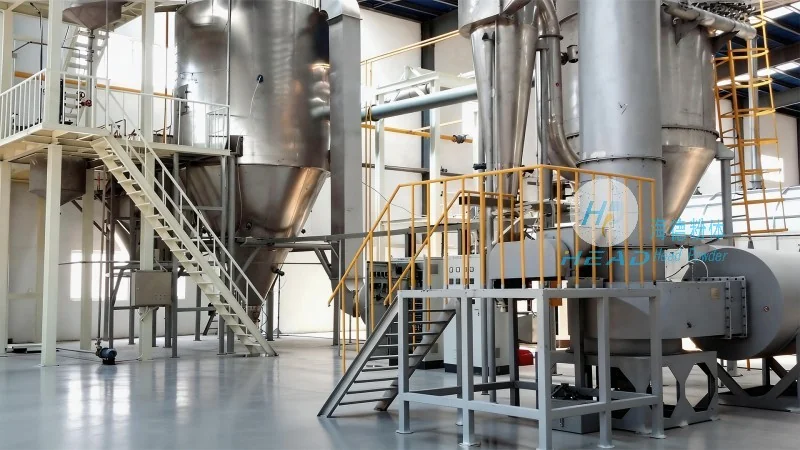
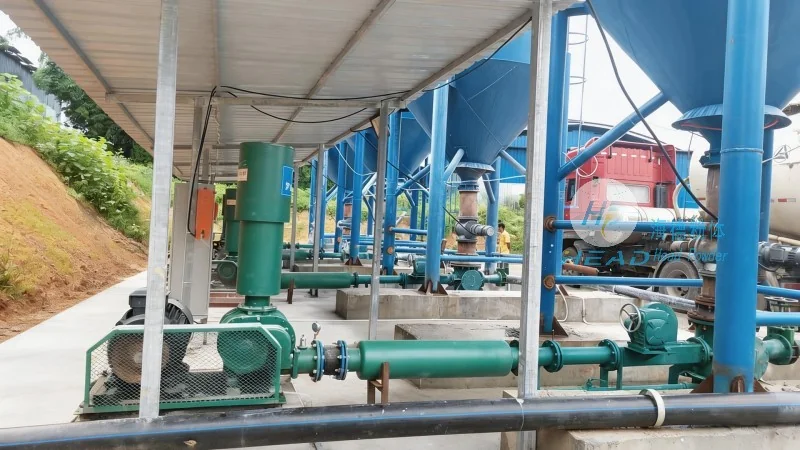
Sweet potato material pneumatic conveying lines utilize the principle of air flow to transport bulk materials. The system typically consists of a material hopper, a blower or air compressor, a pipeline network, and a receiving hopper. When the material is fed into the hopper, the blower generates a high-velocity air stream. This air stream carries the sweet potato pieces through the pipeline to the destination. The key to efficient conveying lies in the balance of air pressure, material flow rate, and pipeline design. Properly designed systems ensure minimal material degradation and energy consumption, making them ideal for handling sweet potatoes, which are sensitive to mechanical stress and moisture.

Key Working Scene Characteristics of Sweet Potato Material Pneumatic Conveying Lines
The application scenarios of sweet potato material pneumatic conveying lines vary based on the processing stage and production scale. In large-scale sweet potato processing plants, these systems are commonly used for transporting raw sweet potatoes from storage areas to washing and peeling machines. The continuous and dust-free conveying process reduces labor costs and improves hygiene standards. In medium-sized processing facilities, the lines are often integrated into automated production lines, connecting multiple processing units such as cutting, drying, and packaging. This integration enhances production efficiency and ensures consistent material flow. For small-scale operations, compact pneumatic conveying systems are available, which can be easily installed in limited spaces, making them suitable for family farms or small processing workshops.
Advantages in Different Processing Environments
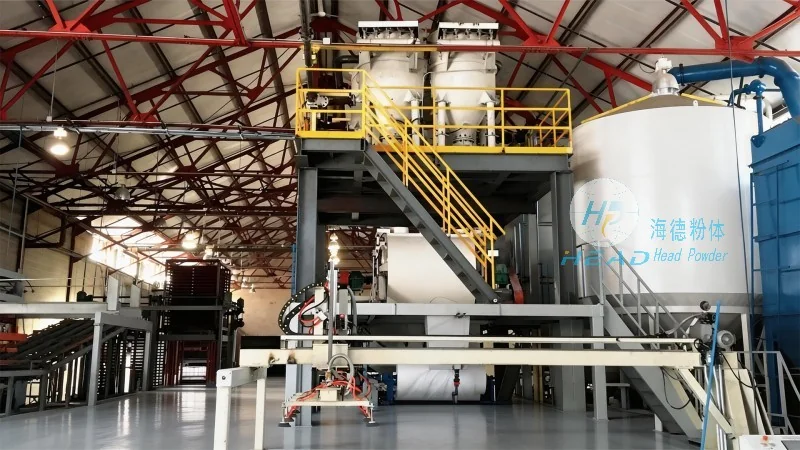
The working scene characteristics of sweet potato material pneumatic conveying lines are closely related to the specific processing environment. In outdoor or semi-outdoor processing areas, the systems are designed with weather-resistant components to withstand temperature fluctuations and moisture. This ensures stable operation even in humid climates, which is common in regions where sweet potatoes are grown. In indoor processing facilities, the systems are equipped with dust collection and filtration systems to maintain a clean working environment. This is particularly important in food processing industries, where hygiene regulations are stringent. Additionally, the flexibility of pneumatic conveying allows for easy reconfiguration of the pipeline network to adapt to changes in production schedules or product lines, providing long-term operational benefits.
About Shandong HeadPowder Engineering Co., Ltd.
Shandong HeadPowder Engineering Co., Ltd., branded as headpowder, is a leading manufacturer specializing in pneumatic conveying equipment. With a focus on innovation and customer satisfaction, the company has developed advanced solutions for various bulk material handling needs. HeadPowder's expertise in sweet potato material processing stems from years of research and collaboration with agricultural processing clients. The company's headquarters is located in Shandong, China, where it leverages local resources and industry knowledge to deliver high-quality products. By combining technical expertise with practical application experience, HeadPowder ensures that its pneumatic conveying lines meet the specific requirements of sweet potato processing enterprises, contributing to their operational efficiency and productivity.