

Principle and Working Scene Characteristics of Sesame Material Pneumatic Conveying Lines
HeadPowder, a leading manufacturer in the field of material handling solutions, specializes in the design and implementation of pneumatic conveying systems tailored for various industrial applications. This article focuses on the principle and working scene characteristics of pneumatic conveying lines specifically designed for sesame material handling, highlighting the technical aspects and practical applications in industrial settings.
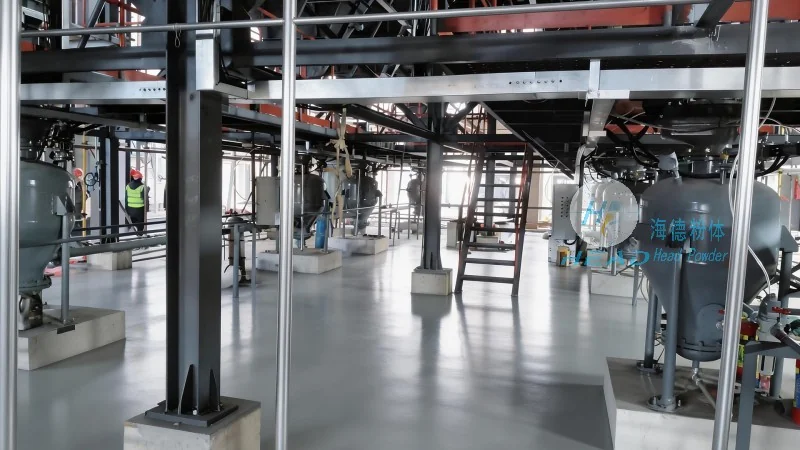
Understanding the Pneumatic Conveying Principle for Sesame Material
Pneumatic conveying systems utilize air or gas as the medium to transport bulk materials through a pipeline network. For sesame material, which is typically small, light, and prone to dust, the selection of an appropriate conveying method is crucial for maintaining product quality and operational efficiency. The core principle involves creating a pressure differential within the pipeline to move the material from the source to the destination. This can be achieved through either positive pressure (where air is blown into the system) or negative pressure (where air is drawn out). For sesame, a positive pressure system is often preferred due to its ability to handle fine particles and minimize product degradation.
Key Components and Their Roles in Sesame Material Conveying
The effectiveness of a pneumatic conveying line for sesame material depends on several critical components working in harmony. These include the material hopper, which stores the sesame and feeds it into the system; the feeder, which controls the flow rate to ensure consistent material supply; the pipeline network, which transports the material; and the receiver, which collects the material at the end of the line. Each component is designed to handle the specific characteristics of sesame, such as its small size and potential for dust generation. For instance, the feeder may use a rotary valve or a screw feeder to prevent clogging and ensure smooth material flow, while the pipeline is often made of stainless steel to prevent contamination and corrosion.
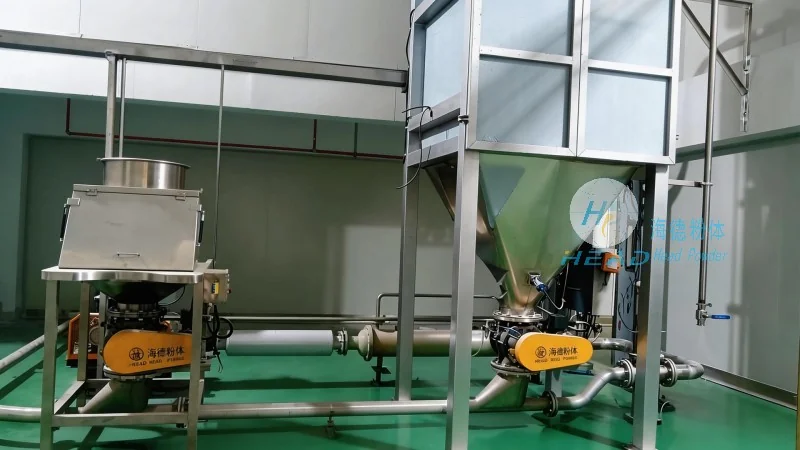
Working Scene Characteristics: Industrial Applications and Efficiency
The working scene characteristics of sesame material pneumatic conveying lines are defined by their adaptability to diverse industrial environments. These systems are commonly used in sesame processing plants, where they facilitate the transport of raw sesame from storage silos to processing equipment, such as cleaning machines, hulling machines, and grinding mills. The efficiency of these lines is measured by factors like conveying capacity, which refers to the volume of material transported per unit time, and the pressure drop across the system, which indicates energy consumption. In industrial settings, the ability to handle high volumes of sesame while maintaining low maintenance costs is a key characteristic. Additionally, the system's ability to operate continuously without frequent interruptions is essential for maintaining production throughput.
Advantages of Using Pneumatic Conveying for Sesame Material Handling
Compared to traditional mechanical conveying methods, pneumatic conveying offers several advantages for sesame material handling. These include the ability to transport materials over long distances without the need for multiple transfer points, which reduces the risk of product contamination and damage. The system also allows for the integration of various processing steps, such as cleaning and sorting, directly into the conveying line, streamlining the overall production process. Furthermore, pneumatic conveying is more hygienic and easier to clean, which is critical for food processing applications like sesame handling. The flexibility of the system to handle different material types and flow rates also makes it suitable for varying production demands.
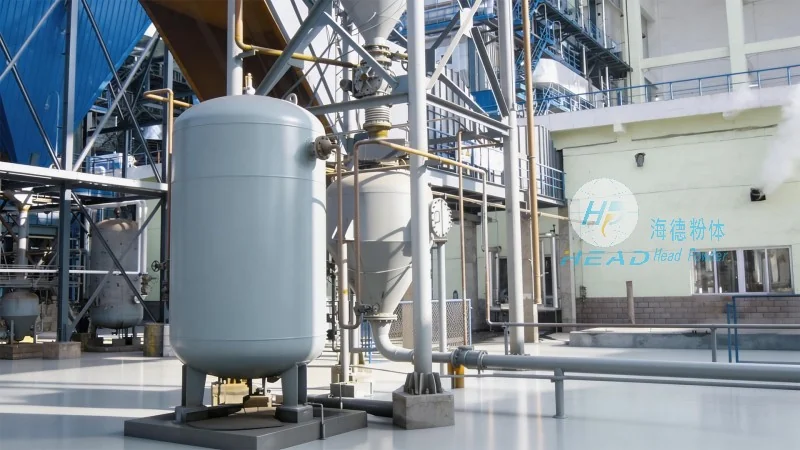
Operational Considerations and Maintenance for Sesame Pneumatic Conveying Lines
Operational considerations play a vital role in ensuring the optimal performance of sesame material pneumatic conveying lines. Factors such as air pressure, flow rate, and material moisture content must be carefully monitored and adjusted to prevent issues like blockages or excessive wear on components. Regular maintenance is also essential to keep the system running smoothly. This includes cleaning the pipeline and components to remove dust and debris, checking for leaks in the air system, and inspecting the feeder and hopper for signs of wear or damage. By adhering to proper maintenance schedules, manufacturers can extend the lifespan of the equipment and minimize downtime, ensuring consistent production output.
Conclusion: The Role of Pneumatic Conveying in Sesame Processing
In conclusion, pneumatic conveying lines designed for sesame material offer a reliable and efficient solution for industrial material handling. By understanding the principle behind the system and its working scene characteristics, industries can optimize their processing operations and improve overall productivity. As a leading provider of material handling solutions, Shandong HeadPowder Engineering Co., Ltd. continues to innovate and develop advanced pneumatic conveying systems tailored to the specific needs of sesame processing, ensuring high-quality and cost-effective material transport in various industrial applications.