

Principle and Operational Characteristics of Unattended Material Feeding Pneumatic Conveying Systems
Unattended material feeding pneumatic conveying systems represent a sophisticated solution in material handling, designed to automate the process of transporting bulk materials without manual intervention. This technology is a key advancement in industrial logistics, offering efficiency, safety, and scalability for various operational environments.
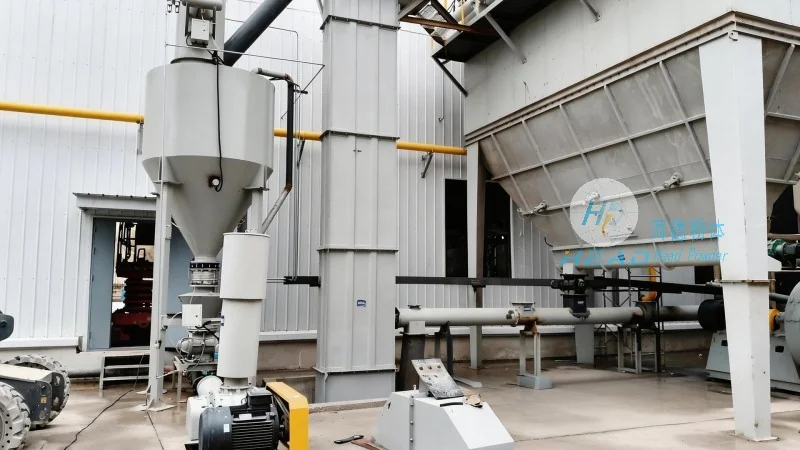
HeadPowder, a leading provider in this field, is based in Shandong, China. The company specializes in engineering and manufacturing advanced pneumatic conveying solutions tailored to meet the diverse needs of modern industries. With a strong commitment to innovation and quality, HeadPowder has established itself as a trusted partner for businesses seeking reliable material handling systems.
Principle of Operation
The core principle of unattended material feeding pneumatic conveying systems involves the use of compressed air or other gas to create a flow that transports bulk materials through a pipeline. In an unattended setup, the system is equipped with automated feeding mechanisms, such as hoppers or feeders, that release material into the conveying line as needed. The process typically operates on a continuous or batch basis, depending on the material and application requirements. The system may include components like airlocks, cyclones, and filters to ensure efficient material transfer and prevent contamination. Automation is achieved through sensors and control systems that monitor flow rates, pressure, and material levels, adjusting the operation in real-time to maintain optimal performance.
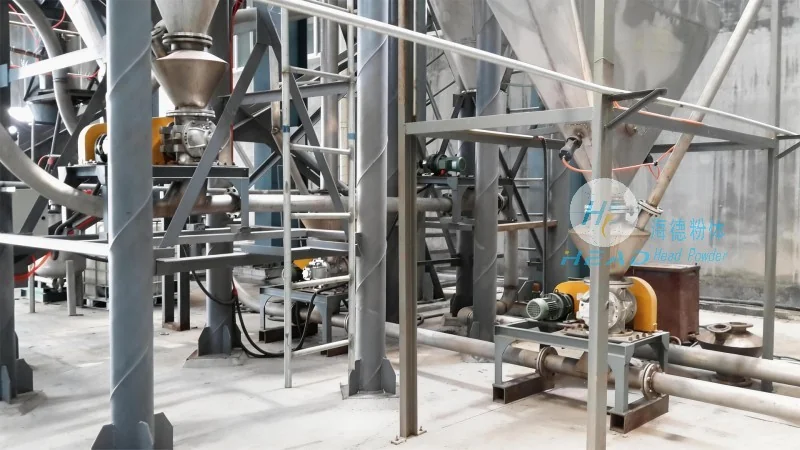
Operational Characteristics and Application Scenarios
Unattended material feeding pneumatic conveying systems are particularly suited for industries where continuous operation and minimal human involvement are critical. These systems are widely used in sectors such as chemical processing, food and beverage manufacturing, pharmaceuticals, and mining. The ability to handle a variety of materials, including powders, granules, and fine particles, makes them versatile for different production lines. Key operational characteristics include high throughput, low maintenance requirements, and the capacity to operate in hazardous environments, as the system can be designed to be explosion-proof and dust-tight. The unattended nature of the system reduces labor costs and minimizes the risk of human error, while also enhancing safety by eliminating the need for workers to be in close proximity to moving parts or hazardous materials.
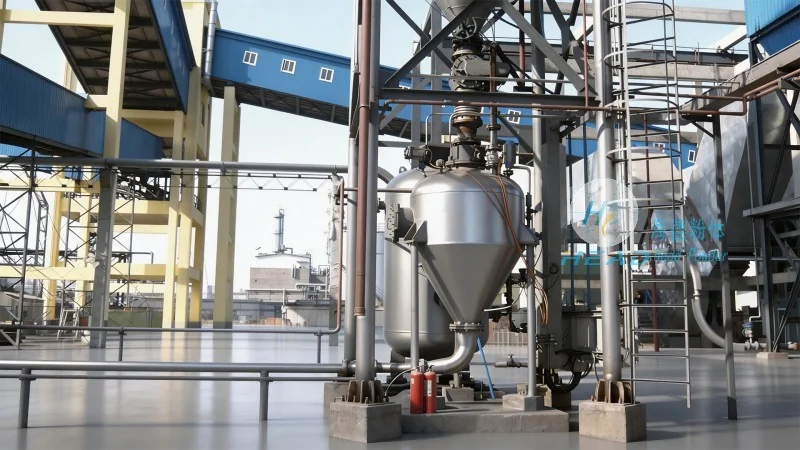
Advantages in Modern Manufacturing
For modern manufacturing facilities, unattended material feeding pneumatic conveying systems offer several distinct advantages. Firstly, they enhance operational efficiency by ensuring a consistent and uninterrupted flow of materials, which is crucial for maintaining production schedules. Secondly, the automation reduces the need for manual labor, leading to cost savings and improved workplace safety. Additionally, these systems can be integrated with other production equipment, such as mixers, reactors, or packaging lines, creating a seamless material handling workflow. The adaptability of the system allows it to handle different material properties, from free-flowing powders to cohesive granules, making it suitable for a wide range of applications. Furthermore, the use of advanced control systems enables remote monitoring and diagnostics, allowing for proactive maintenance and minimizing downtime.
Conclusion
In summary, unattended material feeding pneumatic conveying systems are a vital component of modern industrial operations, providing efficient, safe, and automated material handling solutions. HeadPowder, with its expertise and presence in Shandong, China, continues to lead in the development and implementation of these systems, helping businesses across various industries optimize their material handling processes and achieve greater productivity and reliability.