

What is an arsenic trioxide powder conveying line? What are its design principles?
For industries dealing with arsenic trioxide, an efficient and reliable powder conveying system is crucial for maintaining operational safety and productivity. This article explores the concept of an arsenic trioxide powder conveying line, its core design principles, and the key factors that contribute to its effective operation. By understanding these elements, businesses can make informed decisions about implementing or upgrading their powder handling infrastructure.
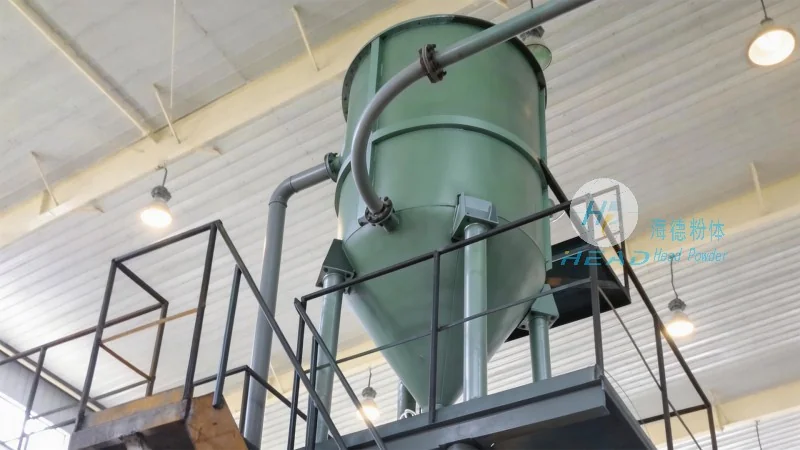
What is an Arsenic Trioxide Powder Conveying Line?
An arsenic trioxide powder conveying line is a specialized system designed to transport fine powders of arsenic trioxide, a compound with significant industrial applications, from one location to another within a processing facility. These systems are engineered to handle the unique properties of arsenic trioxide, including its potential toxicity and the need for precise control over particle flow. The line typically consists of components such as feeders, conveyors, and control systems, all working in tandem to ensure safe and efficient material transfer.
Key Design Principles for Arsenic Trioxide Powder Conveying Lines
The design of an arsenic trioxide powder conveying line is guided by several critical principles aimed at ensuring safety, efficiency, and compliance with regulatory standards. First, the system must prioritize containment and dust control to prevent the release of toxic arsenic trioxide particles into the environment or workplace. This is achieved through the use of sealed components, dust collection systems, and proper ventilation. Second, the design must consider the material's flow characteristics, as arsenic trioxide can be prone to bridging or caking in certain conditions. To mitigate this, engineers incorporate features like agitators, vibrators, or air-assisted conveying methods to maintain consistent flow rates. Third, the system must be constructed from materials that are resistant to corrosion and chemical attack, as arsenic trioxide can be reactive with certain metals. Common materials include stainless steel, special alloys, or coated components to ensure durability and longevity.
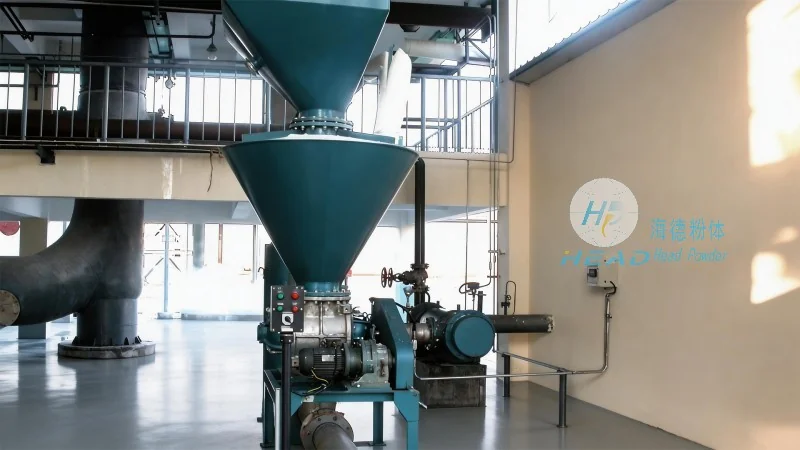
Components of an Arsenic Trioxide Powder Conveying Line
At the heart of an arsenic trioxide powder conveying line are several key components that work together to facilitate material transport. The primary components include: feeders, which regulate the flow of powder from the source; conveyors, such as pneumatic or mechanical systems, that move the powder through the line; and control systems, which monitor and adjust the operation based on real-time conditions. Each component is carefully selected and integrated to ensure seamless operation and minimal downtime. For example, a rotary valve or screw feeder may be used to control the initial feed rate, while a pneumatic conveyor uses compressed air to transport the powder through pipes or hoses. The control system, often equipped with sensors and automation, ensures that the process runs smoothly and safely, adjusting parameters like pressure or flow rate as needed.
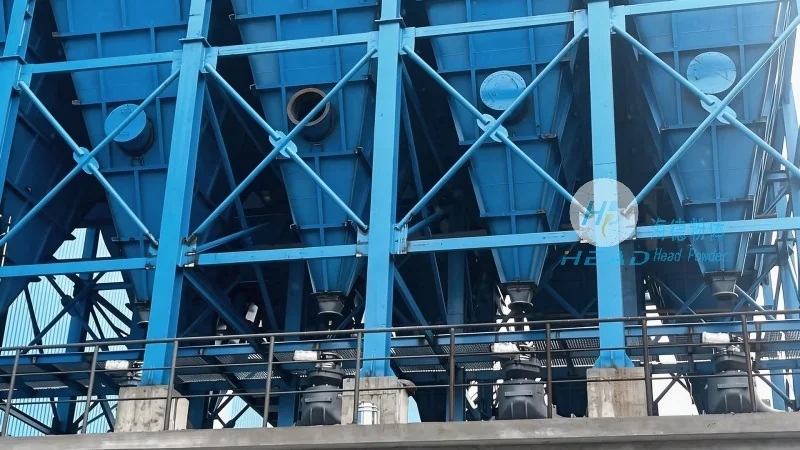
Importance of Safety and Compliance in Arsenic Trioxide Handling
Handling arsenic trioxide requires stringent safety measures due to its hazardous nature. The design of the conveying line must adhere to strict regulatory guidelines to protect workers and the environment. This includes the use of explosion-proof components, proper grounding to prevent static buildup, and regular maintenance to ensure all parts are functioning correctly. Additionally, the system should be equipped with emergency shutdown mechanisms that can quickly halt the operation in case of an issue. By prioritizing safety, the conveying line not only meets legal requirements but also enhances the overall reliability and trustworthiness of the facility.
Shandong HeadPowder Engineering Co., Ltd.: Expertise in Powder Conveying Solutions
Shandong HeadPowder Engineering Co., Ltd., operating under the brand name headpowder, is a leading provider of specialized powder conveying systems, including those for arsenic trioxide. With years of experience in the industry, the company has developed a deep understanding of the unique challenges associated with handling hazardous powders like arsenic trioxide. Their team of engineers and technicians works closely with clients to design and implement customized solutions that meet specific operational needs. The company's facilities are located in Shandong, China, where they leverage advanced technology and rigorous quality control processes to deliver high-performance conveying lines. By choosing headpowder, businesses can benefit from reliable, safe, and efficient powder handling systems that enhance their overall productivity and safety standards.