

What is a Magnesium Hydroxide Powder Conveying Line? And What Are Its Design Principles?
When it comes to handling magnesium hydroxide powder in industrial settings, the design and operation of a specialized conveying line are crucial for efficiency and safety. A magnesium hydroxide powder conveying line is a system engineered to transport this fine powder from storage to processing or packaging areas. This equipment is integral to many manufacturing processes where magnesium hydroxide is used as a raw material or additive.
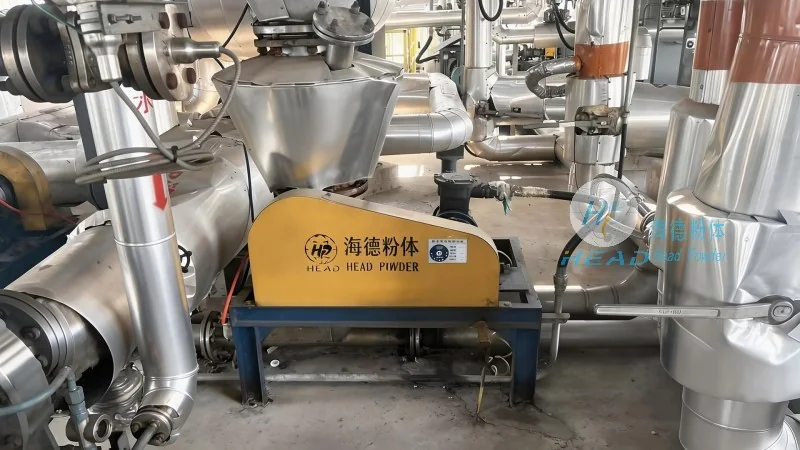
Understanding the Basics of a Magnesium Hydroxide Powder Conveying Line
A magnesium hydroxide powder conveying line typically consists of several key components that work in tandem to ensure smooth material handling. The system begins with a storage hopper or silo, which holds the bulk magnesium hydroxide powder. From there, the powder is fed into a conveyor system, which may include screw conveyors, pneumatic (air-assisted) conveyors, or other mechanisms designed to move the fine particles through the line. The design of this line is tailored to the specific properties of magnesium hydroxide, such as its fine particle size, which can lead to issues like dust generation and caking if not managed properly.
The Core Design Principles Behind Magnesium Hydroxide Powder Conveying Lines
The design principles of a magnesium hydroxide powder conveying line focus on optimizing flow, minimizing material degradation, and ensuring operational safety. One of the primary design considerations is the prevention of dust and clogging. To address this, the system often incorporates features like sealed hoppers, air filtration systems, and anti-static measures. The conveyor components are typically made from materials that are resistant to corrosion and wear, as magnesium hydroxide can be abrasive. For example, stainless steel or specialized plastics may be used for the conveyor tubes and hoppers to withstand the chemical and physical stresses of the material.
Another critical design principle is the control of flow rate and pressure. Variable speed drives and pressure sensors are commonly integrated into the system to regulate the amount of powder being conveyed. This helps maintain consistent output and prevents overloading the downstream equipment. The line may also include monitoring and control systems that provide real-time data on the conveying process, allowing operators to adjust parameters as needed to maintain optimal performance.
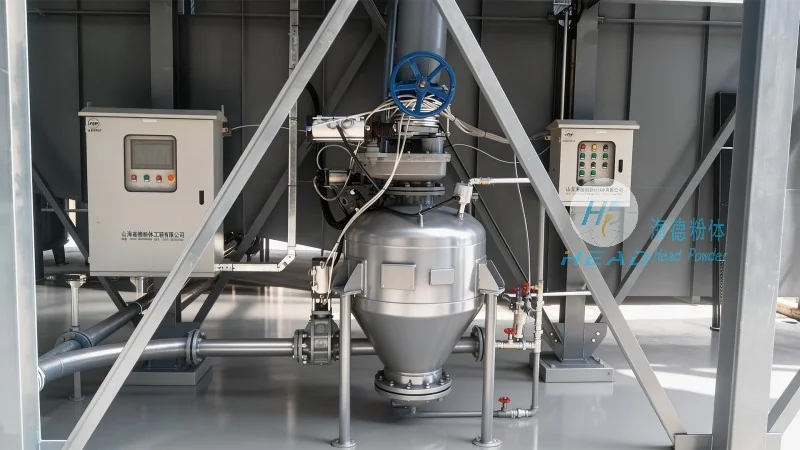
Key Components and Their Functions in a Magnesium Hydroxide Powder Conveying Line
Each component of a magnesium hydroxide powder conveying line plays a vital role in the overall operation. The storage hopper, or silo, is designed to hold large quantities of the powder while maintaining a consistent feed rate. It often includes a discharge valve at the bottom to control the flow of material into the conveyor. The conveyor itself, whether it is a screw conveyor or a pneumatic system, is responsible for moving the powder through the line. Screw conveyors use rotating screws to push the material forward, while pneumatic systems use air pressure to transport the powder in a stream.
The transfer points and bends in the conveying line are also carefully designed to minimize friction and prevent material buildup. Specialized elbows and transition sections are used to guide the powder smoothly through changes in direction. Additionally, the system may include dust collection and filtration equipment to capture any airborne particles and ensure a clean working environment. This is particularly important in facilities where air quality and worker safety are top priorities.
How HeadPowder Engineering Co., Ltd. Designs and Implements These Systems
Shandong HeadPowder Engineering Co., Ltd., a leading provider of powder handling solutions, specializes in designing and manufacturing magnesium hydroxide powder conveying lines that meet the unique needs of industrial clients. The company's approach to design is centered on understanding the specific properties of magnesium hydroxide and the requirements of the end application. By leveraging years of experience in powder technology, HeadPowder engineers develop customized solutions that optimize efficiency, reduce downtime, and enhance safety.

HeadPowder's design process begins with a thorough analysis of the client's operational needs, including the volume of powder to be handled, the distance it needs to travel, and the environmental conditions of the facility. Based on this analysis, engineers select the most appropriate conveyor type and components. For example, if the application involves long-distance transport, a pneumatic conveying system may be preferred for its ability to handle large volumes and maintain consistent flow. If the powder needs to be moved over short distances, a screw conveyor might be more suitable due to its lower energy consumption and simpler maintenance.
The company also emphasizes the importance of material compatibility and durability. All components are selected to withstand the abrasive nature of magnesium hydroxide and resist corrosion from any moisture or chemicals present in the powder. This includes using high-quality stainless steel for hoppers and conveyor tubes, and specialized seals to prevent leaks and contamination. Additionally, HeadPowder incorporates advanced control systems that allow for remote monitoring and adjustment of the conveying line, ensuring that the system operates at peak performance.
Benefits of Using a Well-Designed Magnesium Hydroxide Powder Conveying Line
Implementing a properly designed magnesium hydroxide powder conveying line offers numerous benefits for industrial operations. First and foremost, it improves the efficiency of material handling by reducing the time and labor required to move the powder from storage to processing. This leads to increased productivity and lower operational costs. The system also minimizes the risk of material loss due to spillage or dust, which can be costly and environmentally harmful.
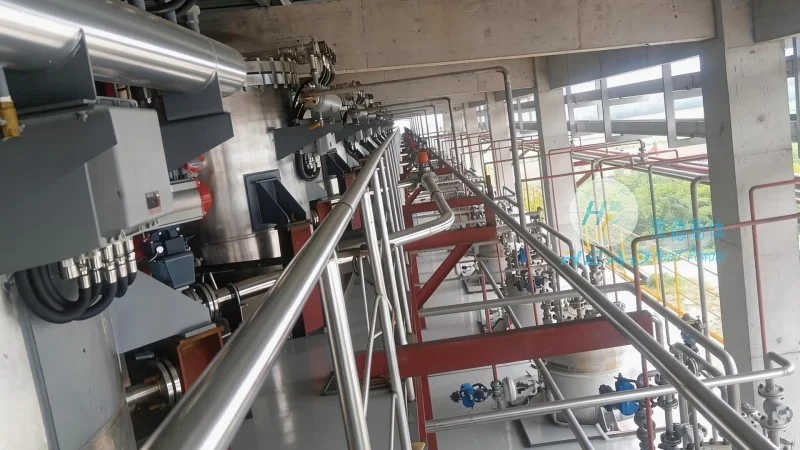
Furthermore, a well-designed conveying line enhances safety by reducing the exposure of workers to fine powder particles. The sealed and filtered design of the system prevents dust from entering the workspace, lowering the risk of respiratory issues and other health hazards. The consistent flow control also helps prevent overloading of downstream equipment, which can cause breakdowns and costly repairs.
Another advantage is the ability to maintain product quality. By minimizing contact with air and moisture, the conveying line helps preserve the properties of the magnesium hydroxide powder, ensuring that it remains stable and effective for its intended use. This is particularly important in applications where the powder is used as a functional additive or a raw material in high-value products.
Conclusion: The Importance of Specialized Conveying Solutions for Magnesium Hydroxide
In conclusion, a magnesium hydroxide powder conveying line is a critical piece of equipment for any industrial operation that handles this fine powder. The design principles behind such systems focus on optimizing flow, preventing dust and clogging, and ensuring operational safety. By leveraging advanced engineering and materials, companies like Shandong HeadPowder Engineering Co., Ltd. can provide customized solutions that meet the specific needs of their clients. The benefits of using a well-designed conveying line include increased efficiency, improved safety, and enhanced product quality, all of which contribute to the overall success of industrial processes.