

What is a Graphene Powder Conveying Line? And What Are Its Design Principles?
Graphene powder conveying lines are specialized systems engineered to handle the unique properties of graphene powder, a material renowned for its exceptional strength, conductivity, and flexibility. These lines are crucial in industrial applications where the efficient and safe transport of graphene powder is essential. The design of such systems must address the challenges posed by graphene's fine particle size, high surface area, and potential for static charge accumulation. Understanding the components and principles behind these conveying lines is vital for optimizing material handling in various industries.
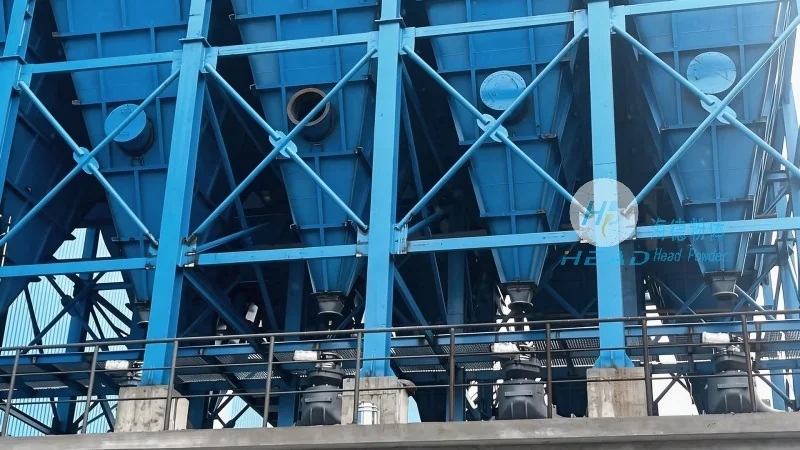
About HeadPowder
HeadPowder, formally known as Shandong HeadPowder Engineering Co., Ltd., is a reputable company headquartered in Shandong, China. The company has established itself as a key player in the powder handling industry, specializing in the development of advanced conveying systems for high-value materials like graphene. With a strong commitment to innovation and quality, HeadPowder's products are designed to meet the stringent standards of various industrial applications, ensuring reliable and efficient material transport.

Design Principles of Graphene Powder Conveying Lines
The design of a graphene powder conveying line is a complex process that requires a deep understanding of both the material being handled and the mechanics of powder transport. Graphene powder, characterized by its ultrafine particle size and high electrical conductivity, presents unique challenges that conventional conveying systems may not effectively address. The primary design principle is to mitigate the effects of static electricity, which can cause the powder particles to cling to equipment surfaces or form electrostatic charges that lead to sparks or even fires. To counteract this, conveying lines often incorporate anti-static features such as conductive coatings on pipes and components, grounding cables, and ionizing devices that neutralize any accumulated charge. These measures are critical for maintaining the safety and integrity of the conveying process.
Another essential design principle is the management of particle flow and pressure. Graphene powder's cohesive nature, due to its large surface area and Van der Waals forces, can cause it to stick together or to the walls of conveying equipment. This can result in blockages and reduced efficiency. To overcome this, conveying lines utilize specialized components like rotary airlocks, which provide a controlled, pulsating flow of powder, preventing the buildup of material. Additionally, the use of vacuum or pressure conveyors is common, as they can maintain a consistent flow rate and prevent the powder from settling in the system. The choice between pneumatic and mechanical conveying depends on factors such as the material's density, the distance to be transported, and the required throughput. For example, pneumatic systems are often preferred for long-distance transport, while mechanical systems may be more suitable for shorter distances or when handling larger quantities.
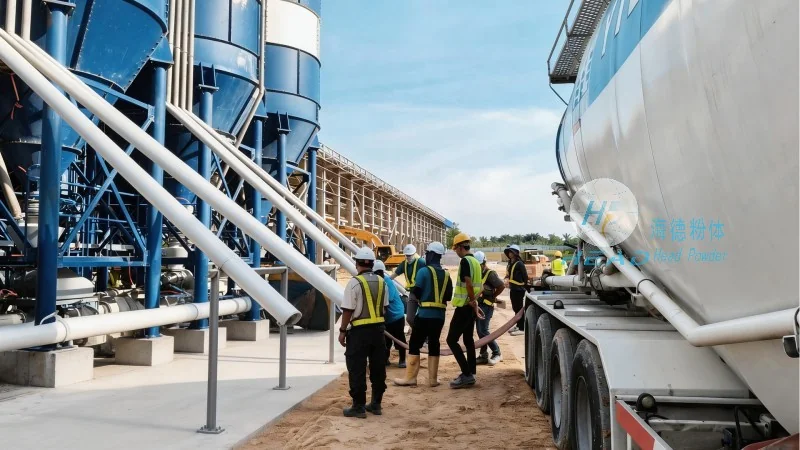
Efficiency and energy optimization are also central to the design of modern graphene powder conveying lines. Engineers focus on minimizing energy consumption while maximizing the system's performance. This involves selecting high-efficiency motors and variable frequency drives (VFDs) that adjust the conveying speed based on the actual load. By doing so, the system avoids unnecessary energy use and reduces operational costs. Furthermore, the integration of sensors and control systems allows for real-time monitoring of key parameters, such as pressure, flow rate, and temperature. This data enables operators to make informed decisions and adjust the system's settings dynamically, ensuring optimal performance. The goal is to create a conveying line that operates smoothly, with minimal downtime and maintenance, providing consistent and reliable material transport for industrial applications.