

Principle and Working Scene Characteristics of Centralized Material Feeding Pneumatic Conveying Mach
HeadPowder, a leading manufacturer based in Shandong, China, specializes in the design and production of advanced pneumatic conveying systems. This article delves into the fundamental principles and operational characteristics of centralized material feeding pneumatic conveying machines, which are widely used in various industrial applications to efficiently transport bulk materials over long distances.
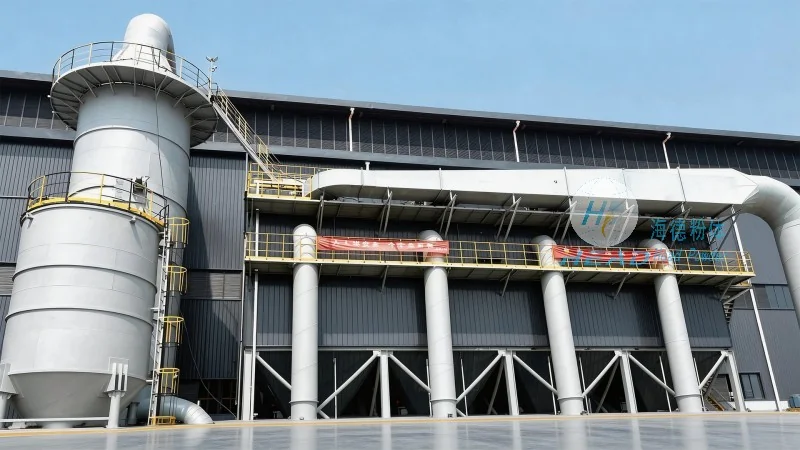
Understanding the Core Principle of Pneumatic Conveying Systems
The central concept behind pneumatic conveying is the use of air or gas to move particulate materials through a pipeline. In centralized material feeding systems, these machines are designed to collect materials from multiple sources and deliver them to a single or multiple destinations. The process typically involves a combination of positive and negative pressure zones, where air is either forced into the system (positive pressure) or drawn out (negative pressure) to create the necessary flow. This method allows for the seamless transfer of materials such as powders, granules, and small particles, eliminating the need for mechanical components like belts or buckets in traditional conveying methods.
Key Working Scene Characteristics and Applications
Centralized material feeding pneumatic conveying machines are particularly effective in industrial environments where material handling efficiency and flexibility are paramount. These systems are commonly employed in sectors like pharmaceuticals, food processing, chemical manufacturing, and mining. The key characteristics that make them suitable for these applications include:
1. Space Efficiency: By consolidating material feeding points into a single system, these machines reduce the need for extensive floor space and multiple individual conveying lines, optimizing plant layout.
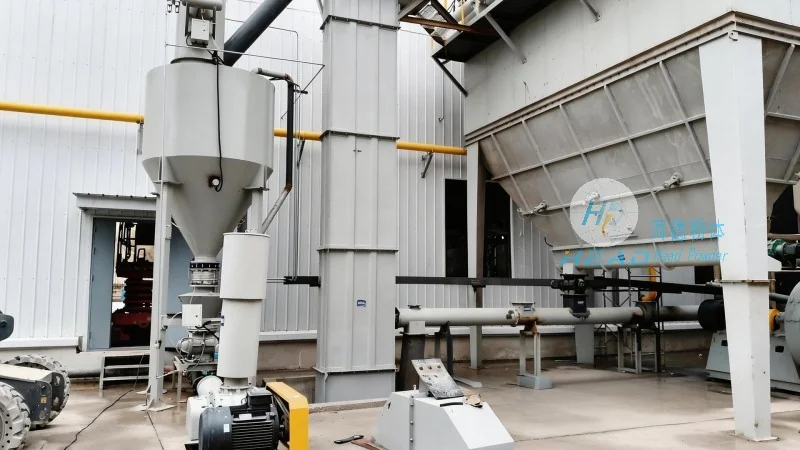
2. Reduced Downtime: The centralized design allows for easier maintenance and troubleshooting, as all components are managed from a central control point. This minimizes operational interruptions and enhances overall system reliability.
3. Improved Material Quality: Pneumatic conveying minimizes material degradation compared to mechanical systems, as it avoids direct contact with moving parts and reduces the risk of contamination. This is especially critical in industries where product purity is essential, such as in pharmaceutical and food production.
4. Flexibility in Material Handling: These systems can handle a wide range of materials, from fine powders to larger granules, and can be adapted to different process requirements through adjustable air pressure and flow rates.
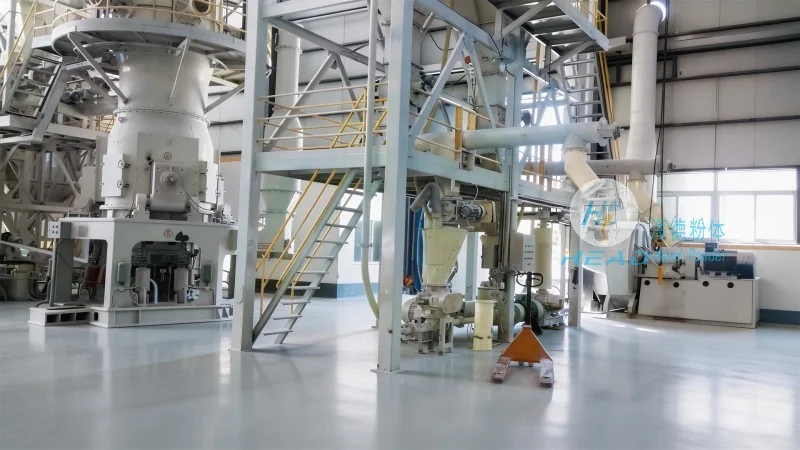
Technical Advantages and Operational Considerations
HeadPowder's centralized material feeding pneumatic conveying machines are engineered with several technical advantages that enhance their performance and longevity. These include:
1. Advanced Control Systems: Integrated control panels allow for precise regulation of air pressure, flow rate, and material feed, ensuring consistent and reliable operation.
2. Durable Construction: The machines are built with high-quality materials, such as stainless steel, to withstand the rigors of continuous operation and resist corrosion from various materials.
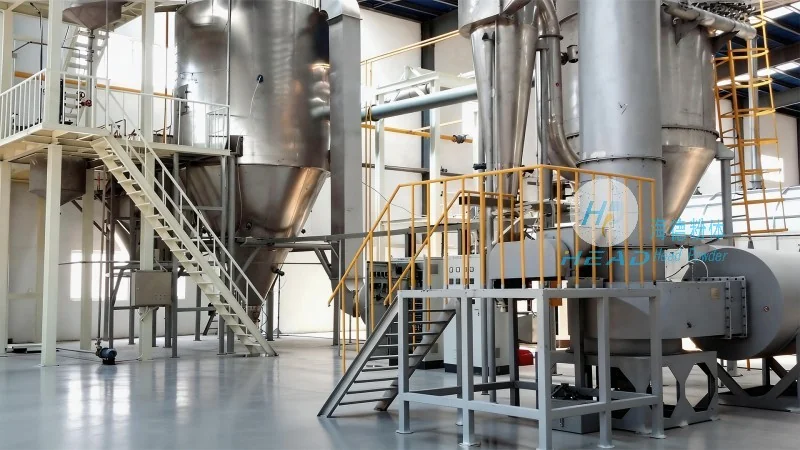
3. Energy Efficiency: Optimized air flow designs reduce energy consumption, making these systems cost-effective and environmentally friendly.
4. Customization Options: HeadPowder offers tailored solutions to meet specific customer needs, including different pipeline configurations, material handling capacities, and integration with existing production lines.
Conclusion
Centralized material feeding pneumatic conveying machines represent a sophisticated solution for efficient bulk material transport in modern industrial settings. By leveraging the principles of pneumatic technology, these systems offer significant advantages in terms of space utilization, operational reliability, and material quality. As a trusted manufacturer based in Shandong, China, HeadPowder continues to innovate and provide high-performance solutions that meet the evolving demands of various industries.