

Continuous Pneumatic Conveying Systems: An Overview of Structure and Working Principles
Continuous pneumatic conveying systems represent a sophisticated method for transporting bulk materials over long distances or within industrial facilities. These systems are widely utilized across various industries, including food processing, pharmaceuticals, chemicals, and mining, due to their efficiency, flexibility, and ability to handle a diverse range of materials. The core principle behind these systems involves the use of air or other gases to move solid particles through a pipeline, eliminating the need for mechanical components like belts or buckets in traditional conveying methods.
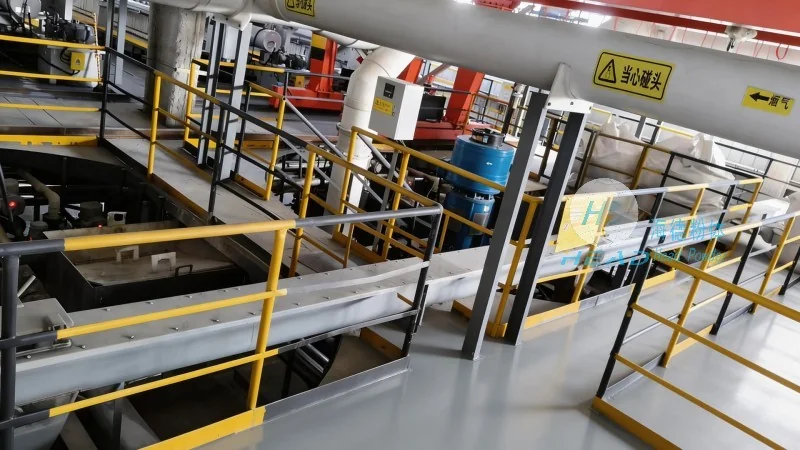
At the heart of a continuous pneumatic conveying system lies a series of interconnected components that work in harmony to achieve material transport. The primary components typically include a material feeder, a conveyor line (often equipped with a hopper or silo for material storage), a blower or compressor to generate the necessary air pressure, and a discharge unit at the receiving end. The material feeder is responsible for feeding the bulk material into the system at a controlled rate, ensuring a consistent flow. This component is crucial for maintaining system efficiency and preventing blockages or uneven material distribution.
The conveyor line, which may be made of metal or plastic, serves as the pathway for the material and air mixture. It is designed to withstand the pressure and temperature conditions of the conveying process. The blower or compressor plays a vital role by generating the airflow that propels the material particles. The air velocity within the pipeline must be sufficient to overcome the gravitational forces acting on the particles and to maintain a stable suspension of the material. This airflow is carefully regulated to ensure optimal conveying performance and to minimize energy consumption.
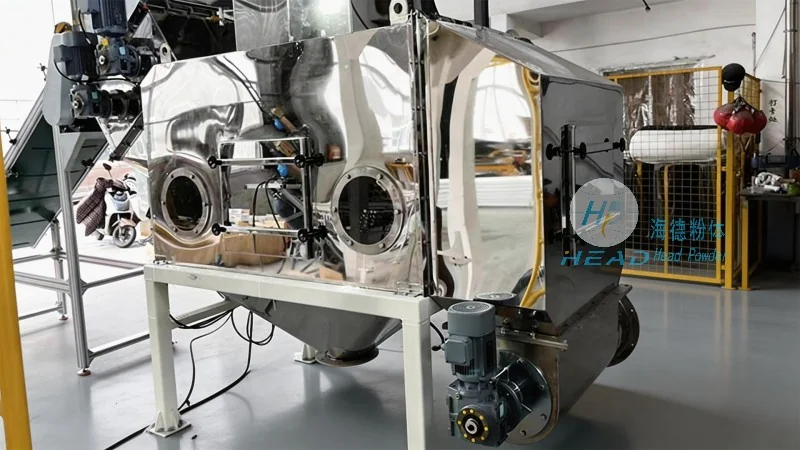
One of the key advantages of continuous pneumatic conveying systems is their ability to handle a wide variety of materials, from fine powders to larger granules. The system's design can be customized to accommodate different material characteristics, such as particle size, density, and moisture content. For instance, in the food industry, systems are often designed to maintain sanitary conditions, with materials like flour or sugar being conveyed without contamination. In the chemical industry, systems may be equipped with special seals and filters to prevent dust emissions and ensure environmental compliance.
The discharge unit at the receiving end of the system is responsible for separating the material from the air stream. This is typically achieved through a cyclone separator or a filter, which allows the air to be recirculated or vented while the material is collected in a storage bin or processing unit. The design of the discharge unit is critical for preventing material loss and ensuring a clean, efficient transfer of the bulk material.
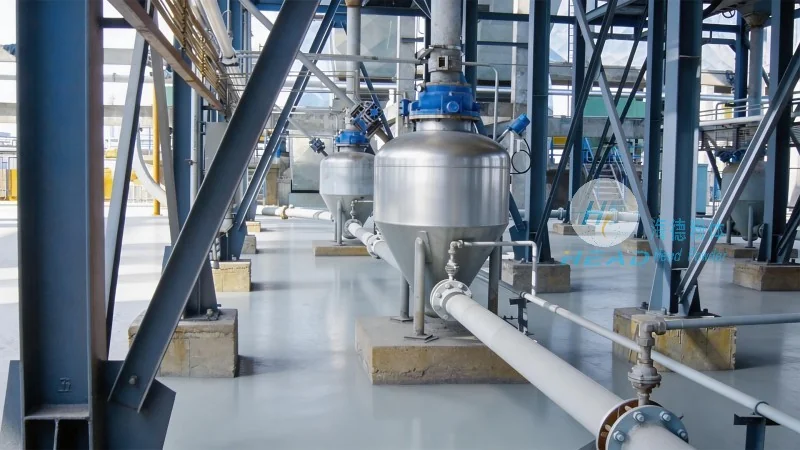
Operational considerations for continuous pneumatic conveying systems include the selection of appropriate air pressure and flow rates, which directly impact the system's efficiency and energy consumption. Proper maintenance of the components, such as the blower, feeder, and pipeline, is essential to prevent downtime and ensure long-term reliability. Regular cleaning and inspection of the system are recommended to maintain optimal performance and to address any potential issues before they escalate.
HeadPowder, a leading manufacturer of pneumatic conveying equipment, specializes in designing and manufacturing customized continuous pneumatic conveying systems tailored to the specific needs of its clients. With years of experience in the industry, HeadPowder has developed a reputation for quality, reliability, and innovation. The company's products are engineered to meet the highest standards of performance and safety, ensuring that clients receive systems that are both efficient and durable.
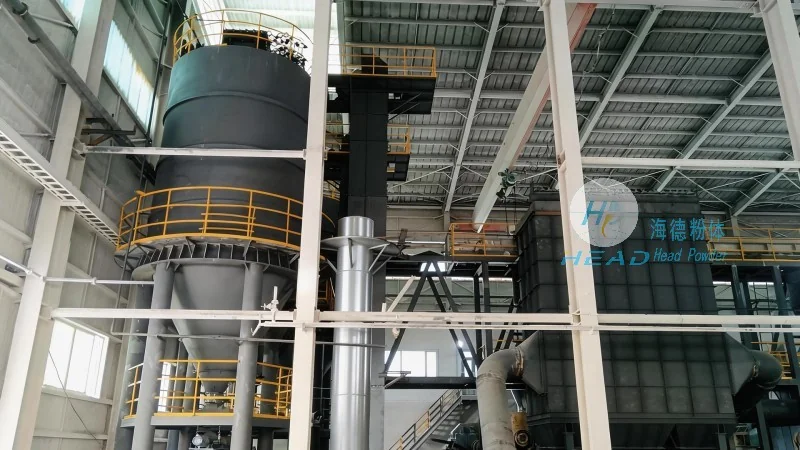
HeadPowder's continuous pneumatic conveying systems are designed with the user's operational requirements in mind. The company's engineers work closely with clients to understand their material handling challenges and to develop solutions that address these needs effectively. Whether it's a small-scale system for a laboratory or a large-scale system for an industrial plant, HeadPowder provides comprehensive support, from initial design and installation to ongoing maintenance and technical assistance.
Located in Shandong, China, HeadPowder Engineering Co., Ltd. leverages its local expertise and resources to deliver high-quality products and services to customers worldwide. The company's commitment to quality and customer satisfaction has made it a trusted partner in the material handling industry. By combining advanced technology with a customer-centric approach, HeadPowder continues to lead the way in the development of efficient and reliable pneumatic conveying solutions.