

Principle and Working Scenario Characteristics of Pneumatic Conveying Line for Heptahydrate Magnesiu
HeadPowder, a leading engineering firm based in Shandong, China, specializes in the design and implementation of advanced material handling systems. Among their portfolio is the pneumatic conveying line specifically engineered for heptahydrate magnesium sulfate, a critical chemical widely used in pharmaceuticals, agriculture, and industrial applications. This article delves into the fundamental principles governing such systems and highlights the unique characteristics of working scenarios where these lines are deployed.
Understanding the Pneumatic Conveying Principle
The core of a pneumatic conveying line lies in its ability to transport bulk materials through a pipeline using a gas stream, typically air. This method eliminates the need for mechanical components like belts or buckets, offering a more flexible and efficient solution for moving materials over varying distances and elevations. There are two primary types of pneumatic conveying systems: suction (or vacuum) and pressure systems. Suction systems draw material into the pipeline using a vacuum created by a fan or blower at the receiving end, while pressure systems force material through the pipeline using compressed air from a blower at the discharge end. For heptahydrate magnesium sulfate, the choice of system depends on factors such as the material's properties, the distance to be covered, and the desired flow rate. The system must also ensure that the material is transported without degradation, which is crucial given the chemical's sensitivity to moisture and temperature changes.
Key Working Scenario Characteristics
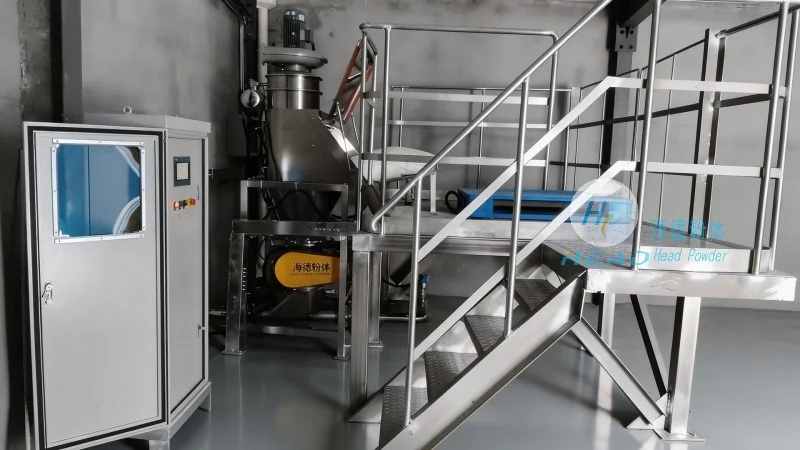
The working scenarios for heptahydrate magnesium sulfate pneumatic conveying lines are diverse and tailored to meet the specific demands of industrial processes. One common application is in pharmaceutical manufacturing, where the material is used as an excipient or in the production of magnesium supplements. Here, the conveying line must maintain strict hygiene standards, ensuring that the material remains free from contaminants and that the system is easy to clean and sanitize. The line is typically designed with stainless steel components and sealed connections to prevent cross-contamination and to comply with regulatory requirements such as GMP (Good Manufacturing Practice).
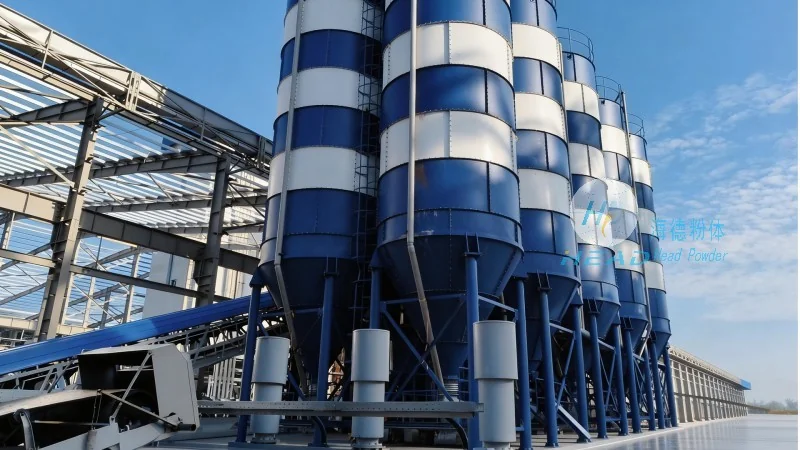
In the agricultural sector, heptahydrate magnesium sulfate is used as a fertilizer to correct magnesium deficiencies in soil. The conveying line in this scenario must be robust enough to handle the abrasive nature of the material and the potential presence of moisture, which can cause clogging. The system is often equipped with filters and cyclones to separate any fine particles and to maintain consistent flow rates, ensuring that the fertilizer is evenly distributed to the fields. Additionally, the line may need to operate in outdoor environments, requiring weather-resistant components and protective enclosures to shield the equipment from dust and rain.
Another important working scenario is in the chemical industry, where the material is used as a precursor in the production of other chemicals or as a reagent in laboratory settings. In these applications, the conveying line must be capable of handling high volumes of material at controlled speeds, with the ability to integrate with other processing equipment such as reactors or mixers. The system may also incorporate sensors and control systems to monitor flow rates, pressure, and temperature in real-time, allowing for immediate adjustments to maintain optimal performance. This level of automation is essential for ensuring the safety and efficiency of the production process.
Advantages and Considerations in Material Handling
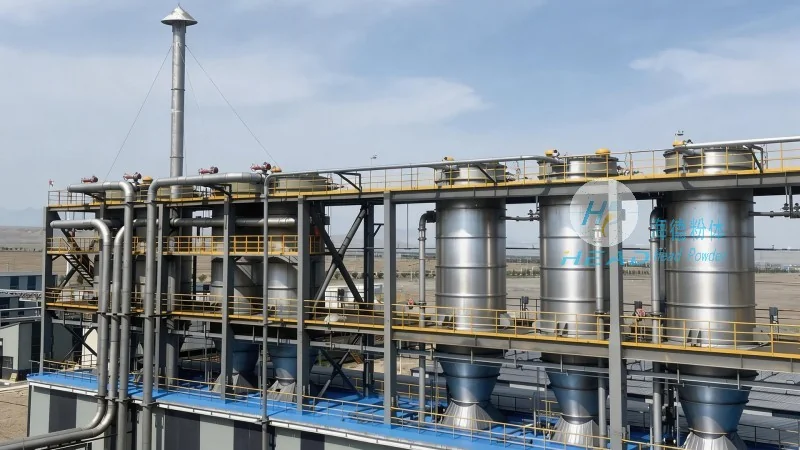
Implementing a pneumatic conveying line for heptahydrate magnesium sulfate offers several advantages over traditional methods. The primary benefit is the reduction in labor costs, as the system automates the material transfer process, minimizing the need for manual handling. This not only improves efficiency but also enhances workplace safety by eliminating the risk of accidents associated with manual lifting and transporting of heavy bags or containers. Additionally, the system provides a more hygienic and controlled environment, which is critical in industries like pharmaceuticals and food processing.
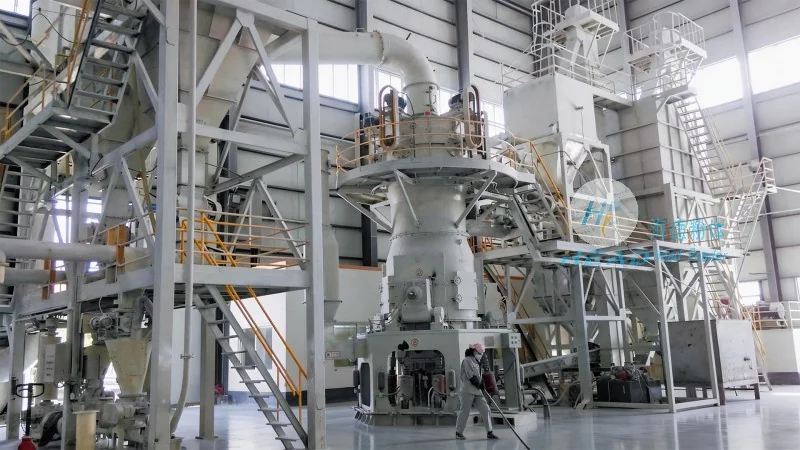
However, there are also considerations to keep in mind when designing and operating such a line. The material's hygroscopic nature means that the system must be designed to minimize exposure to moisture, as this can lead to clumping and blockages in the pipeline. Proper drying and moisture control measures are essential to maintain the material's quality and the system's performance. Furthermore, the system's energy consumption must be managed effectively, as pneumatic conveying can be energy-intensive, especially for long-distance or high-volume applications. HeadPowder addresses these challenges through the use of energy-efficient blowers and optimized system designs that balance performance with operational costs.
Conclusion
HeadPowder Engineering Co., Ltd., based in Shandong, China, provides comprehensive solutions for pneumatic conveying lines tailored to the unique needs of heptahydrate magnesium sulfate applications. By understanding the fundamental principles of pneumatic conveying and the specific characteristics of working scenarios, their engineers design systems that enhance efficiency, safety, and product quality. Whether used in pharmaceutical, agricultural, or chemical industries, these conveying lines play a vital role in ensuring the smooth and reliable transfer of heptahydrate magnesium sulfate, supporting the broader industrial processes that rely on this essential material.