

Introduction to the Pea Pneumatic Conveying System: Structure and Working Principle Explanation
HeadPowder, a leading manufacturer based in Shandong, China, specializes in the design and production of advanced pneumatic conveying systems tailored for agricultural and food processing industries. This article provides an in-depth overview of the pea pneumatic conveying system, focusing on its structural components and operational principles to help users understand its functionality and application in handling pea products efficiently.
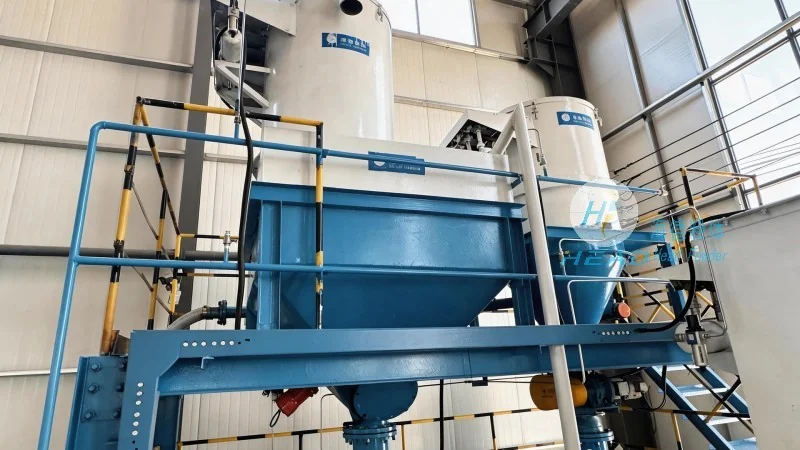
Overview of the Pea Pneumatic Conveying System
The pea pneumatic conveying system is engineered to transport pea seeds or processed pea products through a sealed pipeline using compressed air. This method offers significant advantages over traditional mechanical conveying systems, such as reduced contamination risk, lower maintenance requirements, and enhanced product quality preservation. The system is particularly suitable for applications in pea processing plants, where maintaining product integrity and hygiene is critical.
Key Structural Components of the Pea Pneumatic Conveying System
The pea pneumatic conveying system consists of several essential components that work in concert to achieve efficient material transport. These components include:
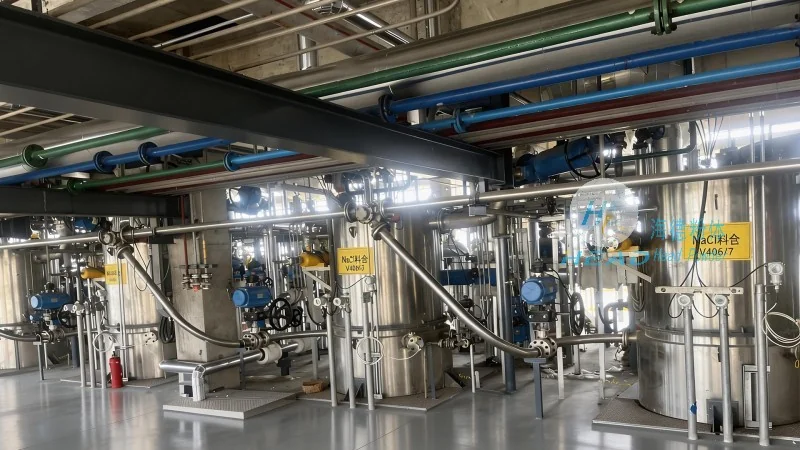
- Feeder Unit: The feeder is responsible for feeding pea material into the conveying pipeline at a controlled rate. It ensures a consistent flow of material, preventing blockages and maintaining system efficiency. The feeder is typically designed with adjustable speed controls to accommodate varying production volumes.
- Conveying Pipeline: The pipeline is the main channel through which pea material is transported. It is constructed from durable materials, such as stainless steel or food-grade plastic, to withstand the abrasive nature of pea seeds and resist corrosion. The pipeline is equipped with bends and elbows to guide the material through the system while minimizing pressure loss.
- Compressor and Air Treatment System: The compressor generates the compressed air required to move the pea material through the pipeline. The air treatment system, including filters and dryers, ensures that the air is clean and dry, preventing contamination of the pea product and protecting the system components from moisture-related damage.
- Receiver Tank: The receiver tank collects the transported pea material at the end of the pipeline. It is designed with a discharge valve to allow for easy unloading of the product. The tank is often equipped with level indicators to monitor the material quantity and prevent overfilling.
- Control Panel: The control panel houses the system's electrical and pneumatic controls, allowing operators to monitor and adjust the conveying process. It includes indicators for pressure, flow rate, and system status, ensuring safe and efficient operation.
Working Principle of the Pea Pneumatic Conveying System
The operation of the pea pneumatic conveying system follows a simple yet effective principle: material is lifted and transported by the force of compressed air. The process begins when the feeder introduces pea material into the pipeline. Simultaneously, the compressor supplies compressed air into the pipeline, creating a pressure differential that propels the material forward. The air and material mixture travels through the pipeline, with the air providing the necessary momentum to move the pea seeds. At the receiver tank, the air is separated from the material, and the pea product is collected for further processing or packaging.
Advantages of the Pea Pneumatic Conveying System
Implementing a pea pneumatic conveying system offers several benefits for pea processing operations. These advantages include:
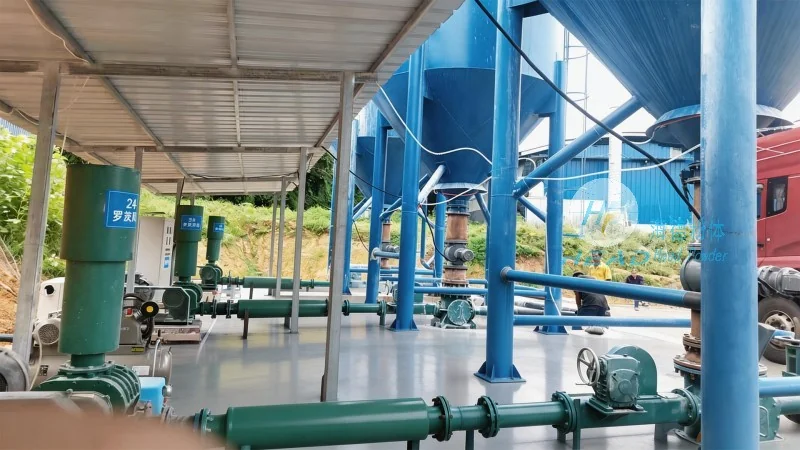
- Hygienic and Contamination-Free Transport: The sealed pipeline design prevents exposure to external contaminants, ensuring that the pea product remains clean and safe for consumption. This is particularly important in food processing applications where hygiene standards are stringent.
- Reduced Maintenance and Downtime: Compared to mechanical conveying systems, pneumatic systems have fewer moving parts, resulting in lower maintenance requirements and reduced downtime. This leads to lower operational costs and increased productivity.
- Energy Efficiency: Modern pneumatic conveying systems are designed to be energy-efficient, with optimized air flow and pressure control. This helps to reduce energy consumption and operating costs for the user.
- Flexibility in Layout: The system can be easily customized to fit the specific layout of a processing facility. It can handle horizontal, vertical, or inclined transport, allowing for flexible installation and integration with existing equipment.
Application Scenarios in Pea Processing
The pea pneumatic conveying system is widely used in various stages of pea processing, including:
- Harvesting and Cleaning: After harvesting, pea seeds are cleaned and sorted. The pneumatic system can efficiently transport cleaned pea seeds from the cleaning equipment to storage or further processing units.
- Processing and Packaging: During processing, pea seeds may undergo operations such as drying, grading, or coating. The system can transport processed pea products to packaging lines, ensuring a smooth and continuous production flow.
- Storage and Distribution: The system can be used to move pea products from storage silos to distribution centers or shipping facilities, maintaining product quality during transport.
Conclusion
HeadPowder's pea pneumatic conveying system represents a reliable and efficient solution for handling pea products in agricultural and food processing industries. By understanding its structural components and operational principles, users can make informed decisions about implementing this technology in their operations. The system's advantages in hygiene, maintenance, and flexibility make it an ideal choice for modern pea processing facilities seeking to enhance productivity and product quality.