

Principle and Application Scenarios of Pneumatic Conveying Systems for Dry Powder Materials
HeadPowder, a leading engineering company based in Shandong, China, specializes in the design, manufacturing, and installation of advanced pneumatic conveying systems for handling dry powder materials. This article explores the fundamental principles behind these systems and highlights key application scenarios where they excel in material transport.
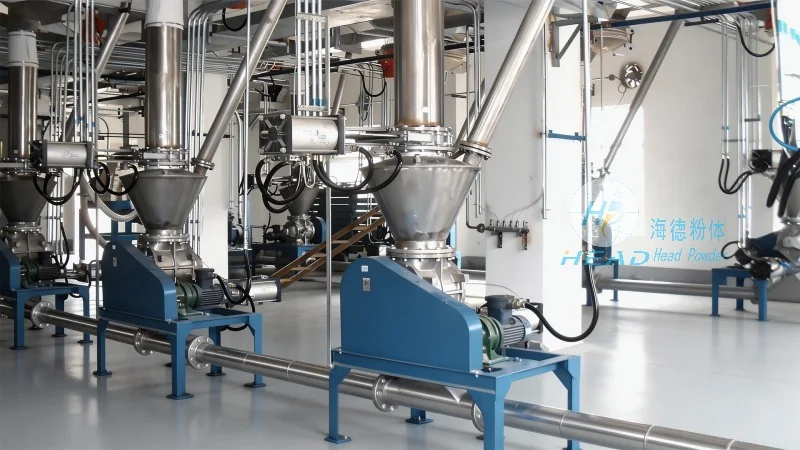
Understanding the Core Principle of Pneumatic Conveying Systems
Pneumatic conveying systems operate by using a stream of air or gas to transport dry powder materials from one location to another. The process typically involves a pipeline where the powder is suspended and carried by the moving air. There are two primary categories of pneumatic conveying: dilute phase and dense phase. Dilute phase systems use higher air velocities to keep the powder particles suspended, making them suitable for long-distance and high-speed transport. Dense phase systems, on the other hand, use lower air velocities and higher pressure to move the material in a more compact form, which is ideal for handling sensitive or abrasive powders. The choice between these two depends on the specific characteristics of the powder, such as particle size, density, and moisture content, as well as the required transport distance and system efficiency.
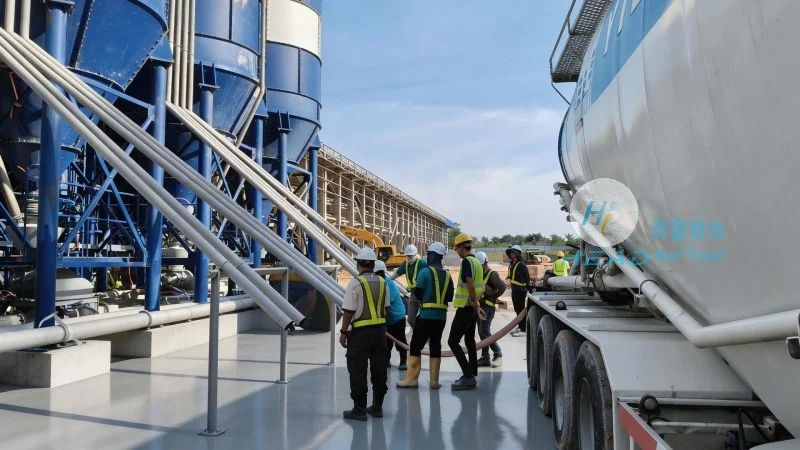
Key Application Scenarios and Operational Characteristics
The versatility of pneumatic conveying systems makes them suitable for a wide range of industrial applications. In the chemical industry, these systems are commonly used to transport raw materials like powders, granules, and pellets, ensuring a clean and efficient process flow. The food and pharmaceutical sectors also rely on these systems for handling sensitive products, as they can maintain a sterile and controlled environment during transport. Another prominent application is in the cement and construction industries, where large volumes of dry cement and other powders are transported to construction sites or storage facilities. The ability to handle abrasive materials without causing wear and tear on the system components is a significant advantage in these industries.
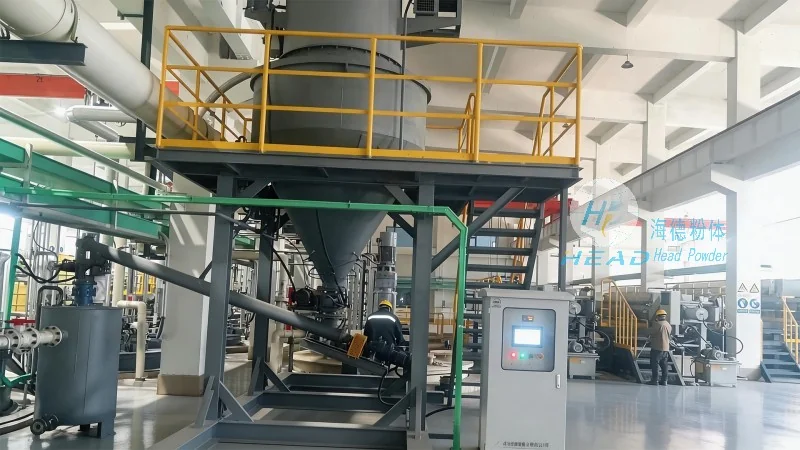
Advantages and Considerations in Different Operational Environments
When implementing a pneumatic conveying system, several factors must be considered to ensure optimal performance. The system's design must account for the specific properties of the dry powder, including its flowability, dustiness, and potential for caking. For example, materials with high dust generation may require additional dust control measures, such as filtration systems, to comply with environmental regulations. The system's layout and pipeline design are also critical, as they directly impact the efficiency and reliability of the transport process. Proper maintenance, including regular cleaning and inspection of components, is essential to prevent blockages and ensure consistent operation. Additionally, the energy consumption of the system should be evaluated, as efficient air compression and flow management can significantly reduce operational costs over time.
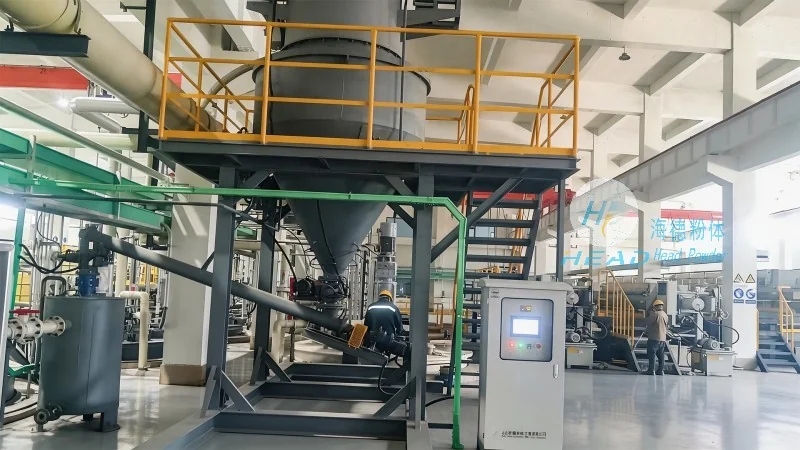
Conclusion: The Role of HeadPowder in Delivering Reliable Pneumatic Conveying Solutions
HeadPowder Engineering Co., Ltd., with its headquarters in Shandong, China, provides comprehensive solutions for pneumatic conveying systems tailored to the unique needs of various industries. By leveraging advanced engineering and a deep understanding of material handling principles, the company designs systems that not only meet but exceed industry standards. Whether for long-distance transport of dry powders or precise handling of sensitive materials, HeadPowder's expertise ensures that clients receive reliable, efficient, and cost-effective pneumatic conveying solutions. The company's commitment to quality and customer satisfaction has established it as a trusted partner in the engineering sector, helping businesses streamline their material transport processes and enhance overall operational efficiency.