

Principle and Working Scene Characteristics of Dust Collection Material Pneumatic Conveying Lines
For industrial facilities dealing with dust and fine particulate matter, efficient material handling is crucial. Pneumatic conveying lines, specifically designed for dust collection materials, offer a reliable solution to transport these materials from collection points to processing or storage areas. This article explores the fundamental principles behind such systems and highlights the key working scene characteristics that make them effective in various industrial applications.
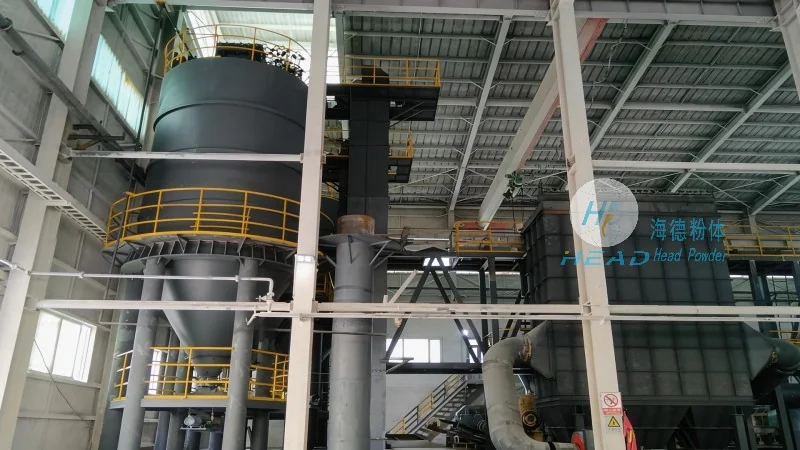
Core Principle of Pneumatic Conveying for Dust Collection Materials
The primary principle of pneumatic conveying systems for dust collection materials is the use of compressed air or gas to transport particulate materials through a pipeline. Unlike traditional mechanical conveyors, which rely on mechanical components like belts or screws, pneumatic systems utilize air pressure to move the material. The process typically involves generating a high-pressure air stream in a compressor, which then draws the dust particles into the pipeline. As the air flows through the system, it carries the material along, ensuring a continuous and controlled transfer. This method is particularly effective for handling fine, dry, or abrasive dust, as it minimizes material degradation and reduces the risk of clogging compared to other methods.
Working Scene Characteristics of Pneumatic Conveying Lines
The effectiveness of pneumatic conveying lines for dust collection materials is heavily influenced by several working scene characteristics. These characteristics include the type of material being conveyed, the distance and layout of the conveying path, the required flow rate, and the environmental conditions at the facility. For instance, in manufacturing plants that produce powders or handle bulk materials, the conveying line must be designed to handle high volumes of fine dust without losing material quality. The layout of the system, including the number and placement of inlets and outlets, is critical to optimizing the flow and minimizing pressure drops. Additionally, the system must be integrated with the existing dust collection equipment, such as bag filters or cyclones, to ensure a seamless transfer from the collection point to the processing stage.
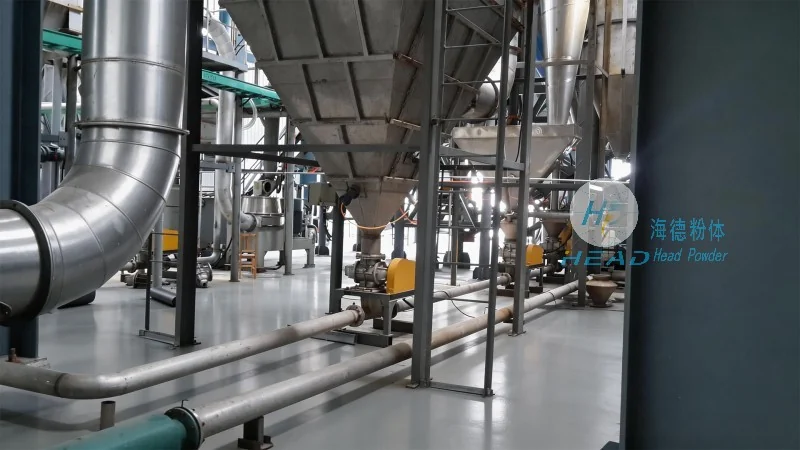
Key Features and Advantages in Industrial Applications
When evaluating pneumatic conveying systems for dust collection materials, several key features and advantages stand out. These include high efficiency in material transport, reduced labor costs due to automated operation, and lower maintenance requirements compared to mechanical conveyors. The systems are also highly adaptable, allowing for adjustments in flow rate and direction to meet changing production needs. Furthermore, pneumatic conveying minimizes the risk of cross-contamination and product degradation, which is essential for industries dealing with sensitive materials. The use of sealed pipelines also helps in maintaining a clean working environment and preventing dust emissions into the air, aligning with environmental regulations and safety standards.
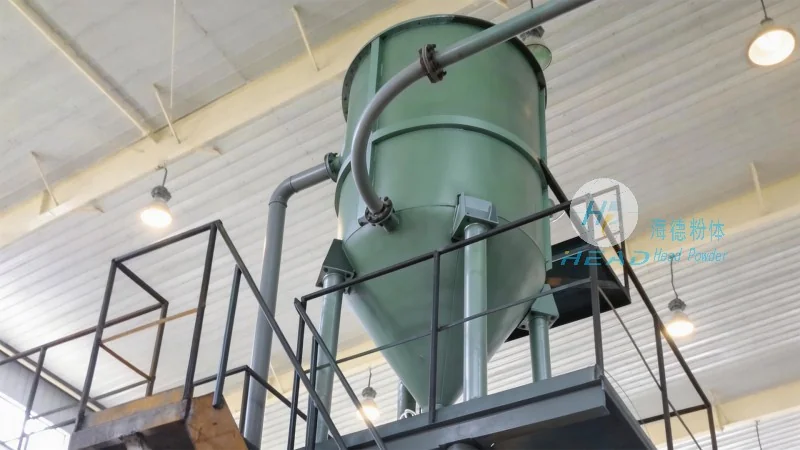
Company Profile: Shandong HeadPowder Engineering Co., Ltd.
HeadPowder, a leading manufacturer of industrial material handling solutions, specializes in designing and supplying pneumatic conveying systems tailored to the needs of dust collection applications. With a focus on innovation and quality, the company has developed advanced systems that incorporate the latest technologies to enhance performance and reliability. HeadPowder's products are engineered to handle a wide range of dust types, from fine powders to coarse particulates, ensuring optimal performance in various industrial settings. The company's commitment to customer satisfaction and technical support has made it a trusted partner for facilities seeking efficient and reliable material handling solutions.
Conclusion and Practical Applications
Pneumatic conveying lines for dust collection materials represent a sophisticated and efficient solution for industrial material handling. By leveraging the principles of air pressure and controlled flow, these systems offer a reliable method to transport dust and fine particulates with minimal loss and degradation. The working scene characteristics, such as material type, system layout, and environmental factors, play a crucial role in determining the optimal design and operation of the system. For industries that require consistent and high-quality material transport, pneumatic conveying systems provide a robust and adaptable solution. As a leading provider in the field, Shandong HeadPowder Engineering Co., Ltd. continues to advance the technology and application of these systems, ensuring that facilities can achieve efficient and sustainable material handling in their operations.