

Principle and Working Scene Characteristics of Pneumatic Conveying Lines for Expanded Clay Aggregate
Expanded clay aggregate, commonly known as expanded clay, is a lightweight, porous material widely used in construction, horticulture, and industrial applications. The efficient and reliable transportation of this material from production sites to processing or end-use locations is crucial for maintaining operational efficiency and product quality. Pneumatic conveying lines offer a sophisticated solution for handling expanded clay aggregates, leveraging air pressure to move materials through pipelines without the need for mechanical components like belts or buckets. This article explores the fundamental principles behind pneumatic conveying systems for expanded clay aggregates and highlights key working scene characteristics that define their effectiveness in various industrial settings.
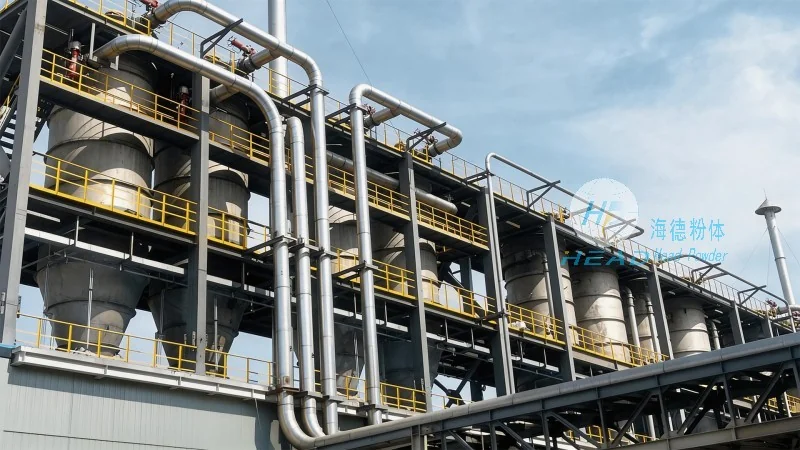
Core Principle of Pneumatic Conveying for Expanded Clay Aggregate Materials
The primary principle of pneumatic conveying involves the use of compressed air to create a flow that transports bulk materials through a closed pipeline system. In the case of expanded clay aggregates, the system typically operates on the basis of either positive pressure (pressure conveying) or negative pressure (vacuum conveying), depending on the specific application requirements and material characteristics. The process begins with the material being introduced into the conveying line, often via a hopper or feeder, where it is then entrained by the moving air stream. As the air flows through the pipeline, it carries the expanded clay particles, ensuring a continuous and controlled movement from the source to the destination. This method eliminates the need for manual handling, reduces material degradation, and minimizes contamination risks, which are critical factors in maintaining the integrity of expanded clay aggregates used in high-value applications.
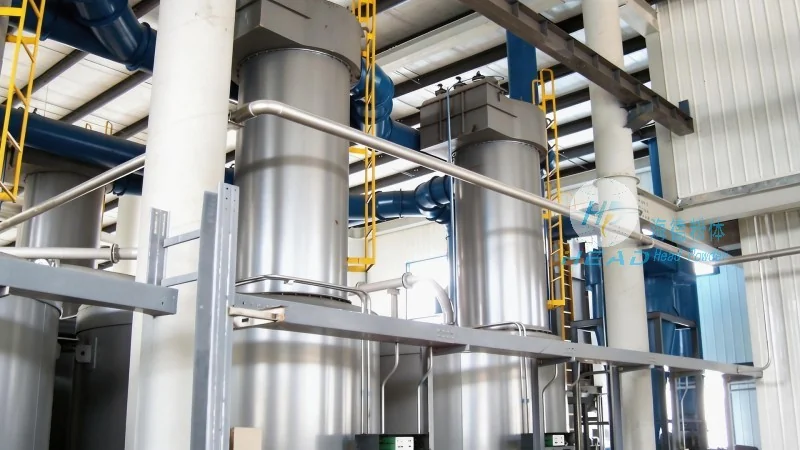
Key Working Scene Characteristics of Pneumatic Conveying Lines
The effectiveness of pneumatic conveying lines for expanded clay aggregates is defined by several key characteristics that adapt to diverse operational environments. Firstly, the system's flexibility in terms of pipeline layout allows for complex routing, enabling materials to be transported over long distances or around obstacles without the need for additional infrastructure. This is particularly advantageous in industrial facilities where space constraints or existing building layouts may limit the use of traditional conveyor systems. Secondly, the ability to handle varying material flow rates and particle sizes makes pneumatic conveying lines suitable for both small-scale production lines and large-scale industrial operations. The system can be adjusted to accommodate different throughput requirements, ensuring that it meets the specific needs of the production process. Thirdly, the hygienic and clean operation of pneumatic conveying systems is a significant advantage, especially in applications where the material is used in food processing, horticulture, or pharmaceuticals. The enclosed pipeline design prevents dust and contamination, maintaining compliance with industry standards and regulatory requirements. Additionally, the energy efficiency of modern pneumatic conveying systems, particularly when optimized for low pressure or vacuum operations, contributes to reduced operational costs and environmental impact.
Application Scenarios and Operational Benefits
Pneumatic conveying lines for expanded clay aggregates are employed in a wide range of working scenes, each tailored to the specific demands of the industry. In construction material manufacturing, these systems are used to transport expanded clay aggregates from storage silos to mixing plants or production lines, ensuring a consistent supply of raw materials. The smooth and continuous flow provided by pneumatic conveying minimizes downtime and improves production throughput. In horticulture and landscaping, the systems are utilized to move expanded clay aggregates from processing facilities to distribution centers or retail outlets, maintaining the material's quality and preventing damage during transit. The ability to handle large volumes of material efficiently makes this method ideal for meeting the high demand in these sectors. Furthermore, in industrial applications such as filtration and insulation material production, pneumatic conveying lines are critical for transporting expanded clay aggregates to processing equipment, where they are further refined into final products. The consistent material feed provided by the system enhances the quality and uniformity of the end products, which is essential for meeting customer specifications and industry standards.
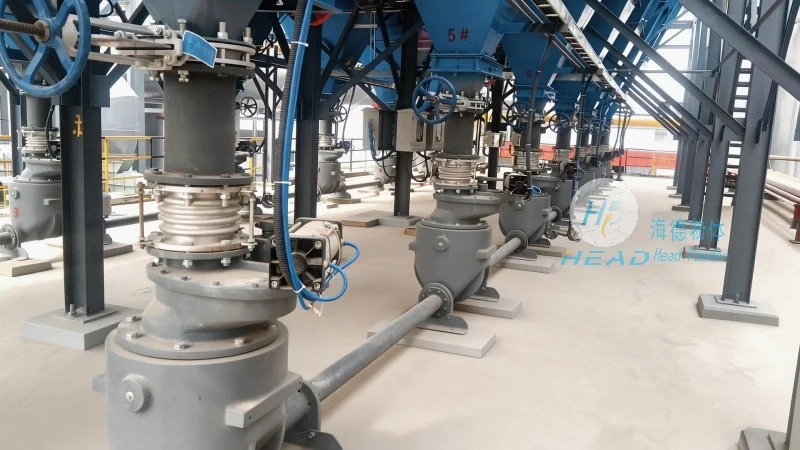
Company Overview: Shandong HeadPowder Engineering Co., Ltd.
Shandong HeadPowder Engineering Co., Ltd., commonly known as HeadPowder, is a leading manufacturer and supplier of advanced pneumatic conveying systems tailored for expanded clay aggregate materials. With a strong commitment to innovation and quality, HeadPowder specializes in designing and implementing customized solutions that meet the unique requirements of industrial clients. The company's expertise lies in the integration of state-of-the-art technology with practical engineering solutions, ensuring that its pneumatic conveying lines are not only efficient but also reliable and cost-effective. HeadPowder's products are designed to handle the specific challenges associated with expanded clay aggregates, such as their lightweight nature and potential for dust generation, by incorporating features like efficient air filtration, material separation, and system monitoring. The company's team of experienced engineers and technicians provides comprehensive support, from initial system design and installation to ongoing maintenance and troubleshooting, ensuring that clients receive the best possible service and support throughout the lifecycle of their pneumatic conveying systems.