

Principle and Working Scene Characteristics of Magnesium Oxide Powder Pneumatic Conveying Line
For industrial applications involving magnesium oxide powder, efficient and reliable material handling is crucial. The pneumatic conveying line designed specifically for magnesium oxide powder offers a solution that addresses the unique challenges associated with this material. This article explores the underlying principles of such a system and highlights the key characteristics of its working scenarios, providing insights into how it enhances operational efficiency in various industrial settings.
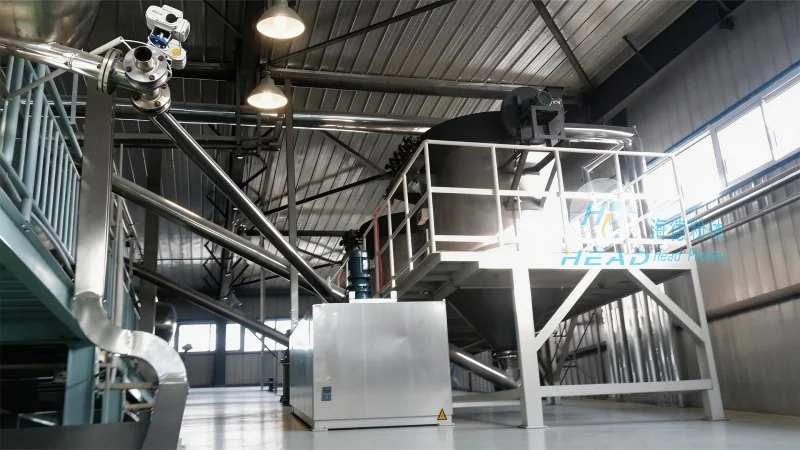
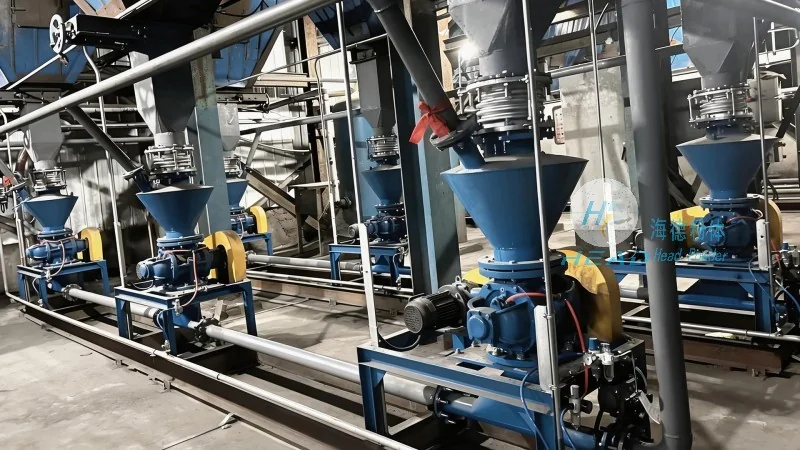
Principle of Magnesium Oxide Powder Pneumatic Conveying
The core principle of a pneumatic conveying system for magnesium oxide powder is the use of compressed air to transport the powder from a source to a destination. This method relies on the creation of a flow of air that can lift and move the powder particles through a pipeline. The system typically consists of a hopper, a blower or compressor, a pipeline network, and a discharge point. The hopper holds the magnesium oxide powder, and the blower generates the necessary air pressure to create a flow that entrains the powder particles. As the air flows through the pipeline, it carries the powder along, ensuring a continuous and controlled transfer of material. This approach eliminates the need for mechanical components like belts or screws that might be prone to wear or contamination, especially when handling fine powders like magnesium oxide.
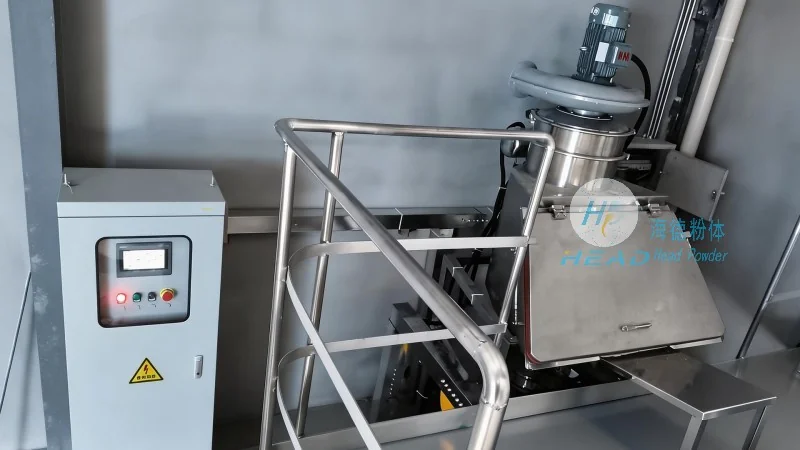
Working Scene Characteristics of the Conveying Line
The working scene characteristics of a magnesium oxide powder pneumatic conveying line are tailored to the specific demands of industrial processes. These systems are commonly employed in industries such as chemical manufacturing, construction materials production, and pharmaceutical processing, where the handling of fine powders is essential. The line's design allows for flexible and adaptable operation, accommodating different production scales and material flow rates. In industrial settings, the conveying line operates in a closed system, minimizing dust emissions and ensuring a safe working environment. This is particularly important for magnesium oxide powder, which can be respiratory irritants if not handled properly. The system's ability to maintain a consistent flow rate and pressure ensures that the material is transferred without segregation or degradation, preserving the quality of the magnesium oxide powder throughout the process.
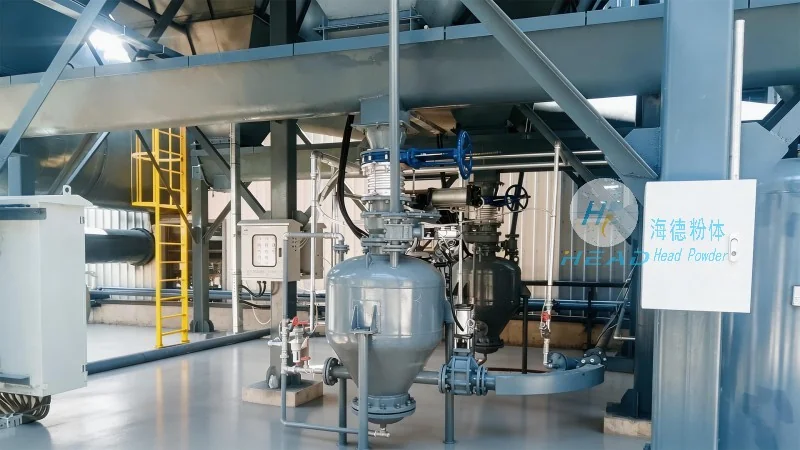
Application Scenarios and Operational Benefits
HeadPowder, a leading provider of material handling solutions, has developed specialized pneumatic conveying lines for magnesium oxide powder. These systems are engineered to meet the stringent requirements of modern industrial operations. The working scenarios include continuous production lines where the powder is transferred from storage silos to processing units, as well as batch processing environments where precise control over the material flow is required. The operational benefits of such a system include reduced labor costs due to automated material handling, minimized product loss and contamination, and improved safety through enclosed and dust-free operation. The system's adaptability allows it to integrate seamlessly with existing production lines, enhancing overall plant efficiency without major disruptions. In the context of Shandong HeadPowder Engineering Co., Ltd., based in China, these conveying lines are manufactured with high-quality components and adhere to international standards, ensuring durability and reliability in demanding industrial applications.