

Principle and Working Scene Characteristics of Quicklime Powder Material Pneumatic Conveying Lines
HeadPowder, a leading engineering company based in Shandong, China, specializes in the design, manufacturing, and installation of advanced material handling systems. With a strong focus on industrial efficiency and safety, the company has established itself as a trusted partner for clients seeking reliable solutions for transporting bulk materials like quicklime powder.
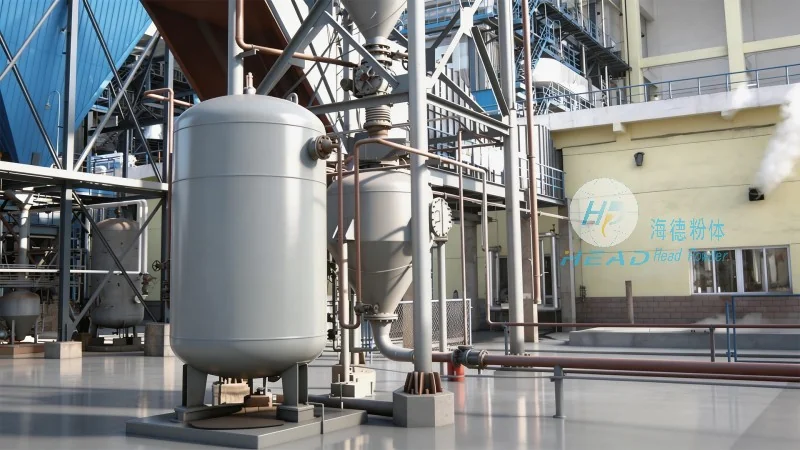
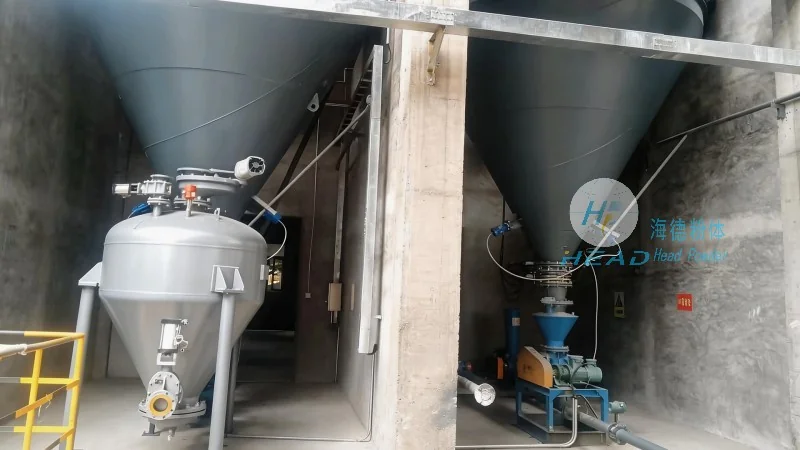
Principle of Pneumatic Conveying Systems for Quicklime Powder
Pneumatic conveying lines operate by using compressed air or other gases to transport bulk materials through a pipeline system. In the case of quicklime powder, which is a fine, reactive material, the design of the conveying system must address specific challenges such as dust control, material segregation, and pressure drop management. The core principle involves creating a pressure differential between the inlet and outlet of the pipeline, where the air flow propels the powder particles forward. This method eliminates the need for mechanical components like belts or buckets, reducing maintenance costs and enhancing operational safety. The system typically includes components like a hopper for material storage, a feeder to control the flow rate, a pipeline network, and a receiver for the discharged material. The choice of conveying type—such as dilute phase or dense phase—depends on the material characteristics and the distance to be covered. For quicklime powder, a dilute phase system is often preferred due to its ability to handle fine particles efficiently while minimizing blockages.
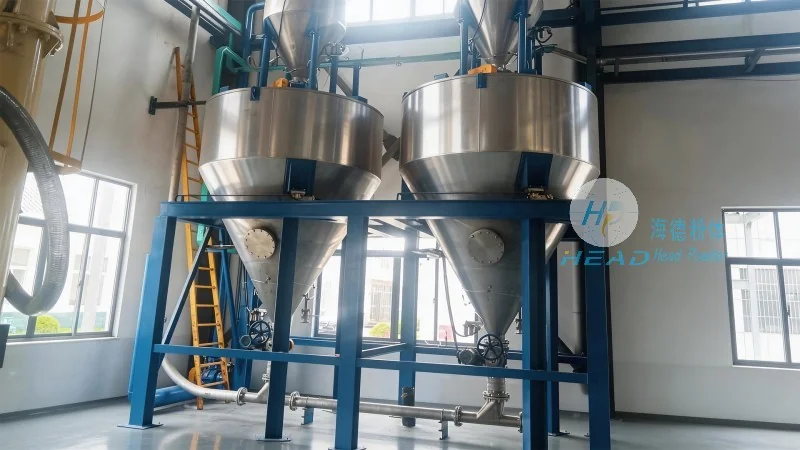
Working Scene Characteristics and Applications
The working scene characteristics of quicklime powder pneumatic conveying lines are tailored to the specific demands of industrial processes. These systems are commonly used in applications such as cement production, steel manufacturing, and chemical processing, where quicklime is a critical raw material. The key characteristics include high material throughput, flexibility in system layout, and the ability to integrate with existing production lines. For example, in cement plants, the system can transport quicklime from storage silos to the kiln feed system, ensuring a continuous and controlled supply. In steel mills, quicklime is used for desulfurization and slag formation, and the conveying line must handle high temperatures and corrosive environments. The design of the system must also consider the material's reactivity; quicklime can release heat and moisture upon contact with air, which may affect the air flow and pipeline integrity. Therefore, the system is equipped with temperature and moisture sensors to monitor and adjust the conveying conditions in real-time. Additionally, the use of explosion-proof components is essential in environments where dust accumulation could pose a fire risk, ensuring compliance with safety regulations. The working scene characteristics also highlight the importance of scalability; as production scales up, the conveying system can be expanded by adding more pipelines or increasing the air pressure, without significant modifications to the existing infrastructure.
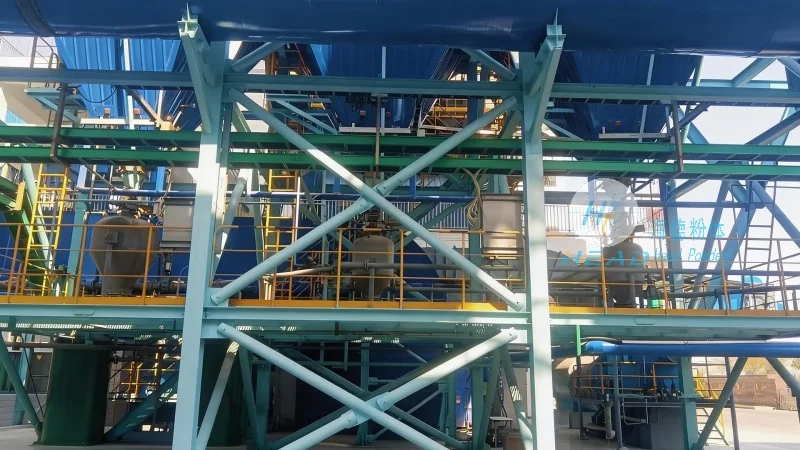
Advantages and Practical Implementation
Implementing a quicklime powder pneumatic conveying line offers several advantages over traditional mechanical conveying methods. The primary benefit is the reduction in labor costs, as the system operates automatically with minimal human intervention. This also leads to improved safety, as there are no moving parts exposed to the material, reducing the risk of accidents. Another advantage is the ability to handle fine particles without segregation, which is crucial for maintaining the material's quality. The system's compact design allows for installation in confined spaces, making it suitable for retrofitting into existing facilities. HeadPowder's expertise in customizing these systems ensures that each solution is tailored to the client's specific requirements, whether it's for a new plant or an upgrade to an existing one. The company's engineers conduct thorough site assessments to evaluate the material's properties, the distance to be covered, and the environmental conditions, ensuring that the final design meets all operational and safety standards. This personalized approach has led to successful implementations in various industries, where the conveying line has improved production efficiency and reduced downtime. For instance, a client in the cement industry reported a 20% increase in throughput after installing a HeadPowder-designed quicklime pneumatic conveying system, while also reducing maintenance costs by 15% due to the system's low-maintenance design.