

Introduction to the Pneumatic Conveying of Sodium Sulfate Powder and Its Structural Principles
Shandong HeadPowder Engineering Co., Ltd., commonly known as headpowder, is a professional manufacturer and supplier of pneumatic conveying systems, with its headquarters located in Shandong, China. The company specializes in the design, development, and implementation of efficient and reliable systems for transporting bulk materials, including sodium sulfate powder. This article provides an overview of the pneumatic conveying process for sodium sulfate powder, detailing its structural components and operational principles.

Understanding Pneumatic Conveying Systems
Pneumatic conveying, also known as pneumatic transport, is a method used to move bulk materials through a pipeline using a gas stream, typically air. This technology is widely adopted in various industries for its ability to handle materials like sodium sulfate powder, which may be dusty, abrasive, or have specific handling requirements. The system operates by creating a pressure differential between the inlet and outlet of the pipeline, enabling the material to be carried along with the air flow.
Key Structural Components of the System
The pneumatic conveying system for sodium sulfate powder consists of several critical components that work in tandem to ensure efficient material transport. The primary components include:
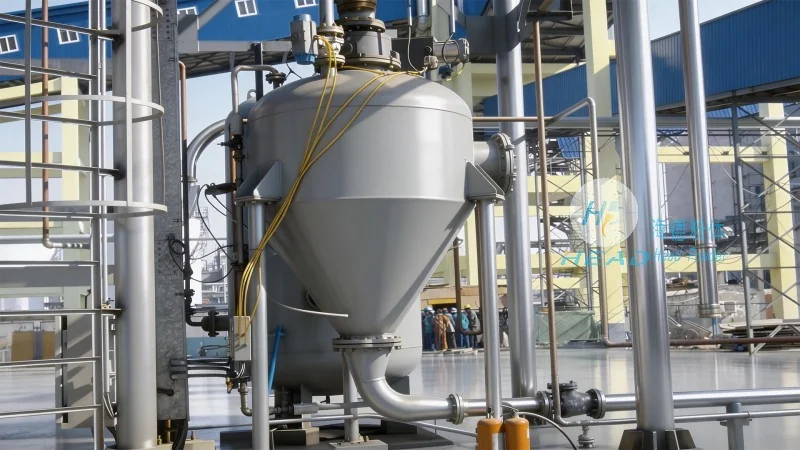
- Conveying Pipeline: A network of pipes designed to guide the sodium sulfate powder from the source to the destination. The pipeline is typically made of durable materials such as stainless steel or high-density polyethylene to withstand the abrasive nature of the powder and prevent contamination.
- Air Supply Unit (Fan or Blower): This component generates the necessary air pressure and flow rate to move the powder through the pipeline. The choice of fan or blower depends on the system's capacity and the specific characteristics of the sodium sulfate powder, such as particle size and moisture content.
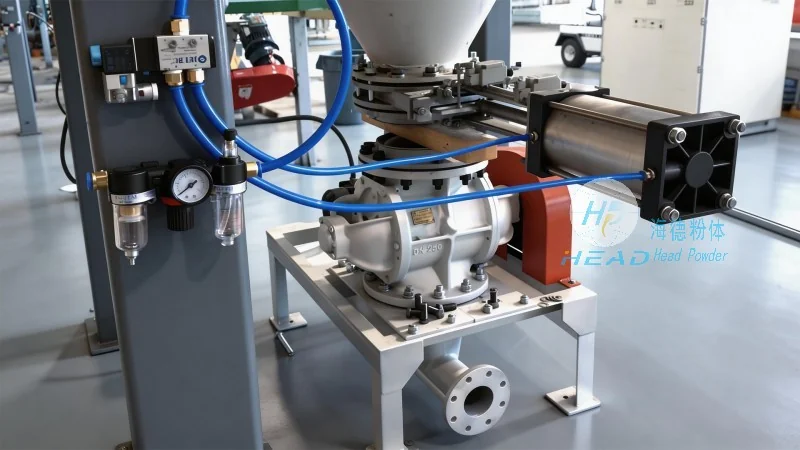
- Inlet and Outlet Hoppers: These hoppers serve as the entry and exit points for the sodium sulfate powder. The inlet hopper is where the powder is loaded, and the outlet hopper is where it is discharged. Proper design of these hoppers is crucial to prevent material buildup and ensure smooth flow.
- Separation and Collection Equipment: After the powder reaches the destination, the air and powder mixture passes through a separator, such as a cyclone or bag filter, to separate the powder from the air. The separated powder is then collected in a storage bin or container, while the air is either vented to the atmosphere or recirculated back into the system.
Operational Principles of the Pneumatic Conveying Process
The operation of the sodium sulfate powder pneumatic conveying system follows a systematic process. Initially, the sodium sulfate powder is fed into the inlet hopper. Simultaneously, the air supply unit starts operating, creating a flow of air through the pipeline. The air flow then picks up the powder particles, forming a slurry-like mixture that travels through the conveying pipeline. As the mixture moves, it encounters the separation equipment at the outlet end. The centrifugal force in the separator causes the heavier powder particles to drop out and fall into the collection hopper, while the lighter air is discharged or recirculated. This separation process ensures that the powder is delivered to its intended location without any loss or contamination.
Advantages of Pneumatic Conveying for Sodium Sulfate Powder
Implementing a pneumatic conveying system for sodium sulfate powder offers several advantages over traditional methods like belt conveyors or manual handling. These benefits include:
- Efficiency and Speed: The system allows for rapid and continuous transport of large quantities of sodium sulfate powder, reducing processing time and increasing overall productivity.
- Reduced Labor and Downtime: Automated operation minimizes the need for manual labor, lowering labor costs and reducing the risk of human error. It also minimizes downtime associated with material handling and transfer.
- Improved Safety and Hygiene: Pneumatic conveying eliminates the need for manual handling of dusty or potentially hazardous materials, reducing the risk of respiratory issues and contamination. The enclosed system also helps maintain a clean and hygienic environment.
- Flexibility and Scalability: The system can be easily scaled to accommodate varying production volumes and can be adapted to different locations or processes, making it a versatile solution for sodium sulfate powder handling.
Conclusion
Shandong HeadPowder Engineering Co., Ltd. provides comprehensive solutions for the pneumatic conveying of sodium sulfate powder, leveraging advanced structural designs and operational principles. By understanding the key components and processes involved, industries can optimize their material handling operations, enhancing efficiency, safety, and overall performance. The company's expertise in designing and implementing these systems ensures that clients receive reliable and effective solutions tailored to their specific needs.