

Operation Process and Working Principle of Positive Pressure Dense Phase Material Pneumatic Conveyin
Positive pressure dense phase material pneumatic conveying lines are advanced industrial systems designed to transport bulk materials efficiently and safely. This technology is widely used in various industries, including chemical, food, pharmaceutical, and mining, where the reliable and controlled movement of powders and granules is critical. The following content provides a detailed overview of the operation process and working principles of such systems, highlighting the key components and their functions.
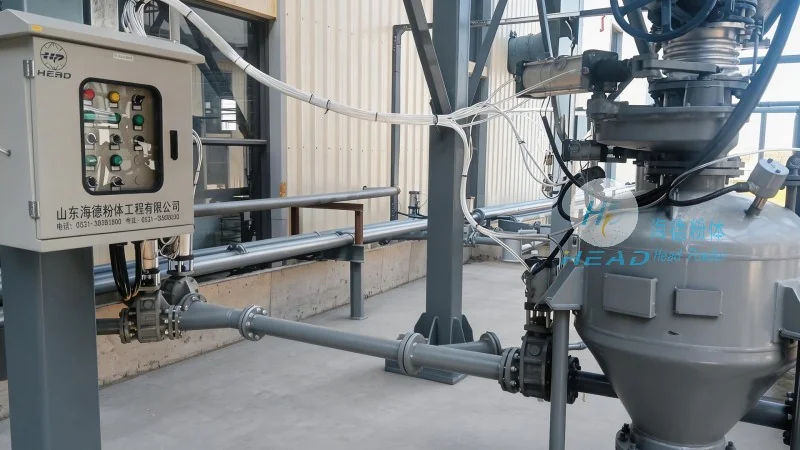
Company Introduction
HeadPowder, or Shandong HeadPowder Engineering Co., Ltd., is a leading manufacturer and supplier of pneumatic conveying equipment. With a strong focus on innovation and quality, the company has established itself as a trusted partner in the industry. HeadPowder's headquarters is located in Shandong, China, where the company conducts research, development, and manufacturing of high-performance conveying solutions. The company's commitment to customer satisfaction and technical excellence has enabled it to serve a diverse range of clients globally.
Understanding Positive Pressure Dense Phase Pneumatic Conveying
Positive pressure dense phase pneumatic conveying operates by using compressed air to transport materials in a dense, slurry-like state. Unlike traditional dilute phase systems that rely on low air-to-material ratios, dense phase conveying ensures that the material is carried in a compacted form, reducing the risk of particle degradation and improving overall system efficiency. The process involves several key components that work in tandem to achieve effective material transport.
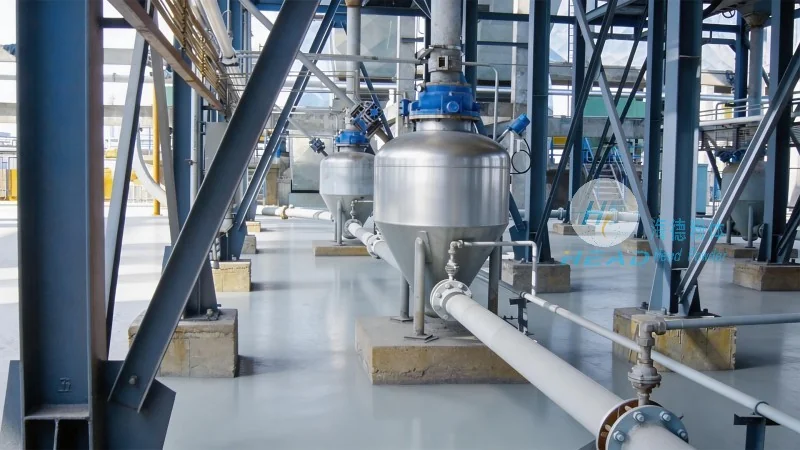
Key Components and Their Functions
The positive pressure dense phase pneumatic conveying system typically consists of a series of interconnected components, each playing a crucial role in the overall operation. The main components include a positive displacement blower or compressor, a material feed hopper, a conveying line (often equipped with pressure relief valves and flow control devices), and a discharge receiver. The positive displacement blower generates the necessary pressure to move the material through the system, while the feed hopper ensures a consistent and controlled material supply. The conveying line is designed to maintain the required pressure and flow rates, preventing material segregation and ensuring uniform transport. Pressure relief valves are integrated to protect the system from overpressure, and flow control devices help regulate the material flow rate to match the system's capacity.
The Operation Process: Step-by-Step
The operation of a positive pressure dense phase pneumatic conveying line involves a systematic sequence of steps that ensure efficient material transport. The process begins with the loading of the material into the feed hopper. The material is then fed into the conveying line under the pressure generated by the positive displacement blower. As the material moves through the line, it is kept in a dense phase, which minimizes the risk of particle attrition and maintains the material's integrity. The conveying line is typically equipped with bends and elbows that are designed to handle the high-pressure conditions without causing material blockages or pressure drops. The material is then discharged into the receiver, where it is collected for further processing or storage. The system is designed to operate continuously, with the feed hopper and blower working in tandem to maintain a steady flow of material.
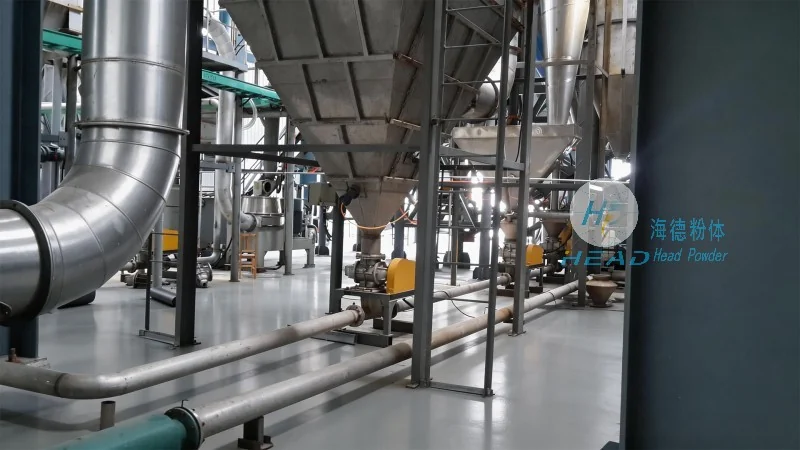
Working Principle: How It Works
The working principle of positive pressure dense phase pneumatic conveying is based on the principles of fluid dynamics and material mechanics. The system operates by creating a high-pressure environment within the conveying line, which forces the material to move along the line. The compressed air is introduced at the inlet of the system and mixes with the material, forming a dense slurry. The air and material mixture is then propelled through the line by the pressure differential created by the blower. The key to dense phase conveying is maintaining a high air-to-material ratio, which ensures that the material is carried in a compacted state rather than being suspended in the air. This approach reduces the velocity of the material, minimizing the risk of particle degradation and improving the overall efficiency of the system. The system also incorporates features such as pressure sensors and flow meters to monitor the operation and ensure optimal performance.
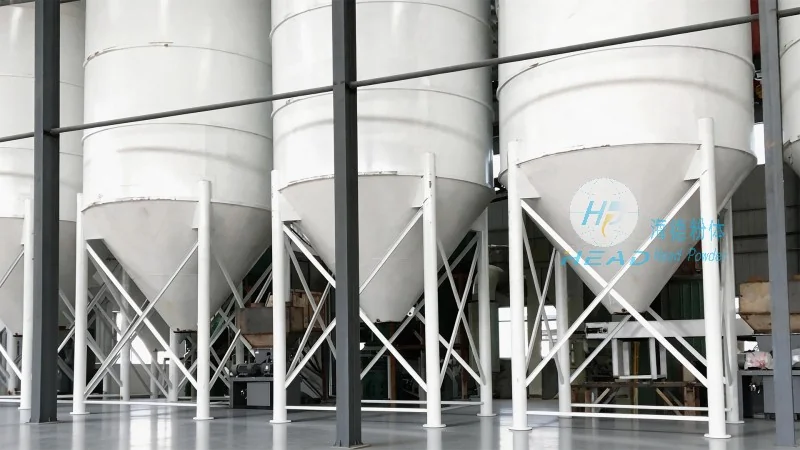
Advantages of Positive Pressure Dense Phase Pneumatic Conveying
Positive pressure dense phase pneumatic conveying offers several advantages over traditional conveying methods. One of the primary benefits is the ability to transport materials in a dense phase, which reduces the risk of particle degradation and improves the material's quality. The system also provides a more controlled and uniform material flow, which is essential for processes that require precise material handling. Additionally, dense phase conveying is more energy-efficient compared to dilute phase systems, as it requires less air to transport the same amount of material. The system is also more flexible, as it can handle a wide range of materials, including abrasive and corrosive substances. The use of positive pressure also ensures that the system is self-contained and does not require external vacuum sources, making it easier to install and maintain.
Applications and Industries
Positive pressure dense phase pneumatic conveying systems are widely used in various industries due to their versatility and efficiency. The chemical industry uses these systems to transport powders and granules, such as chemicals, pigments, and polymers. The food and pharmaceutical industries rely on dense phase conveying to transport ingredients and raw materials, ensuring that the materials are handled in a hygienic and controlled manner. The mining industry uses these systems to transport minerals and ores from processing plants to storage facilities. Additionally, the agricultural industry uses dense phase conveying to transport grains and other agricultural products. The system's ability to handle a wide range of materials makes it suitable for various applications, from small-scale operations to large industrial plants.