

Operation Process and Working Principle of Limestone Material Pneumatic Conveying Lines
HeadPowder, a prominent entity in the engineering sector, specializes in the development and implementation of pneumatic conveying systems for limestone and other bulk materials. The limestone material pneumatic conveying line is a sophisticated solution designed to efficiently transport limestone from storage or processing stages to various destinations such as silos, reactors, or packaging areas. This article explores the operation process and working principle of such a system, detailing the key components and the seamless workflow that ensures reliable material handling.
Key Components of the Limestone Pneumatic Conveying System
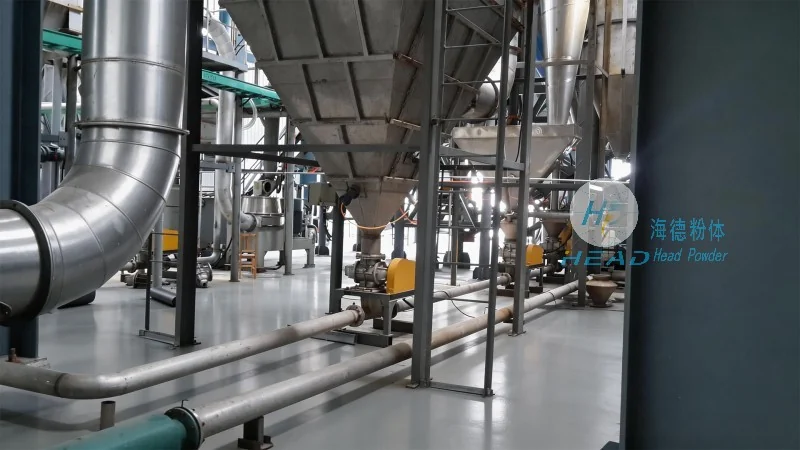
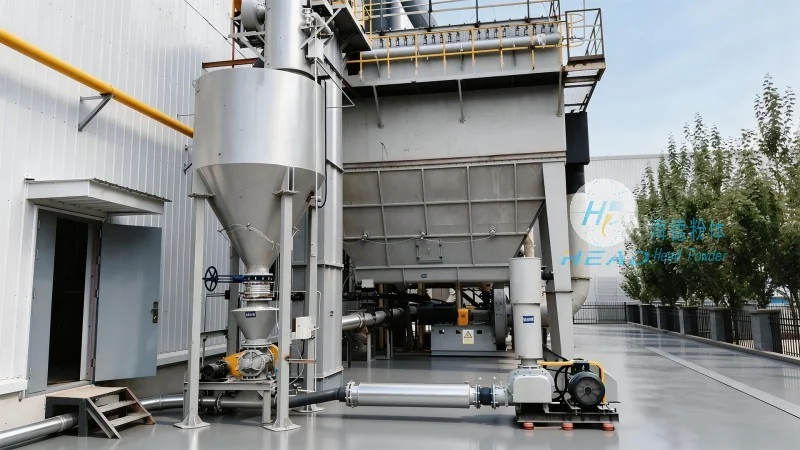
The limestone material pneumatic conveying line comprises several critical components that collaborate to achieve efficient material transport. These components include the storage hopper or silo, the feeder (typically a rotary valve or screw feeder), the air compressor or blower, the conveying pipeline, the dust collector, and the receiving hopper or discharge point. Each component is integral to the system's performance, and their proper integration is essential for optimal operation.
The Operation Process of the Limestone Pneumatic Conveying Line
The operation process of the limestone material pneumatic conveying line initiates with material being fed from the storage hopper into the feeder. The feeder regulates the flow rate of limestone into the conveying pipeline, ensuring a consistent and controlled supply. Concurrently, the air compressor generates a high-pressure air stream that is introduced into the pipeline. As the limestone particles enter the pipeline, they are entrained by the air flow and transported through the system. The conveying pipeline may feature bends, vertical sections, or horizontal runs, and the system is engineered to accommodate the specific characteristics of limestone, including particle size, density, and moisture content.
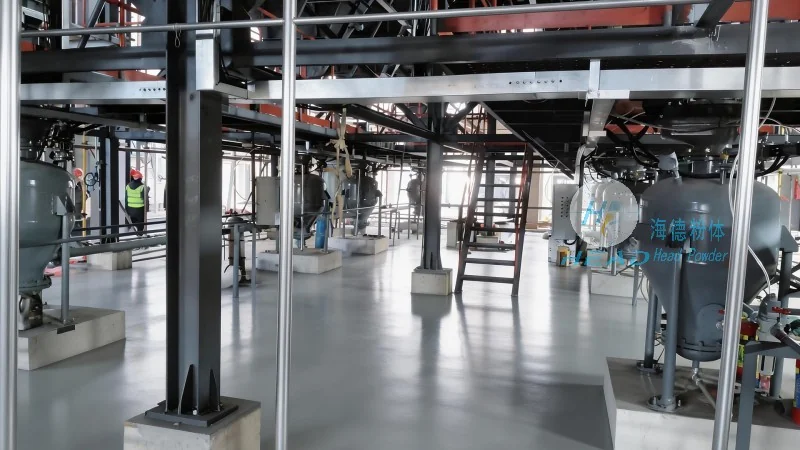
During the conveying process, the air and material mixture travels through the pipeline until it reaches the receiving hopper or discharge point. The receiving hopper is equipped with a discharge device, such as a rotary valve, to control the outflow of limestone. The system also incorporates a dust collector to capture fine particles generated during the conveying process, ensuring compliance with environmental regulations and maintaining a clean operational environment.
Working Principle of the Limestone Pneumatic Conveying Line
The working principle of the limestone material pneumatic conveying line is based on pneumatic transport, where bulk materials are conveyed using air as the medium. The system operates under positive pressure, meaning the air pressure within the pipeline exceeds ambient air pressure. This positive pressure ensures continuous propulsion of the material forward through the pipeline.
The feeder is crucial to the working principle, providing a steady flow of limestone into the pipeline. The air compressor generates the necessary pressure and volume of air to entrain the limestone particles. As the air and material mixture moves through the pipeline, the air velocity is sufficient to lift and transport the limestone particles. The pipeline design, including diameter and length, is optimized to minimize pressure drop and energy consumption while ensuring efficient material transport.
Advantages and Considerations for Limestone Pneumatic Conveying Lines
HeadPowder's limestone material pneumatic conveying lines offer advantages over traditional mechanical conveying systems, including reduced handling time, lower labor costs, and enhanced safety due to the enclosed system that prevents dust exposure. Additionally, the system can be easily integrated with other processing equipment, such as reactors or mixers, to streamline production processes.
When designing and implementing a limestone pneumatic conveying line, factors like particle size distribution, moisture content, required conveying distance and height, and desired flow rate must be considered. HeadPowder's engineering team conducts thorough assessments of these factors to design a system tailored to the client's specific needs, ensuring reliability and efficiency.