

Operation Process and Working Principle of Gelatin Material Pneumatic Conveying Lines
Gelatin material pneumatic conveying lines are advanced industrial systems designed to transport gelatin and related materials efficiently and safely. These systems utilize air or gas as the conveying medium to move bulk materials through a network of pipes and components. The technology is widely adopted in the food, pharmaceutical, and chemical industries due to its ability to handle delicate materials like gelatin without causing degradation or contamination.
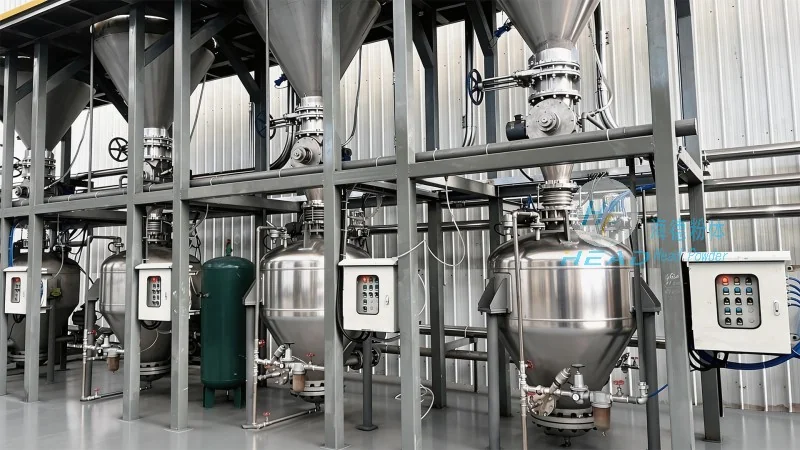
About Shandong HeadPowder Engineering Co., Ltd.
Headpowder, the manufacturer behind these advanced conveying solutions, is a leading company based in Shandong, China. With years of experience in engineering and manufacturing, Headpowder specializes in providing customized pneumatic conveying systems tailored to the unique needs of clients in various industries. The company’s commitment to quality, innovation, and customer satisfaction has established it as a trusted partner for businesses requiring reliable material handling solutions.
Working Principle of Pneumatic Conveying Systems
The core principle of pneumatic conveying for gelatin materials involves creating a flow of air or gas within a pipeline to transport the material. There are two main types of pneumatic conveying: pressure and vacuum systems. In pressure systems, compressed air is introduced at the inlet, generating a high-pressure environment that pushes the material forward. Vacuum systems, on the other hand, use a vacuum pump to create a low-pressure zone that draws the material into the pipeline. For gelatin, which is often in powder or granular form, a pressure system is commonly preferred as it offers better control over material flow and minimizes the risk of clogging or degradation.
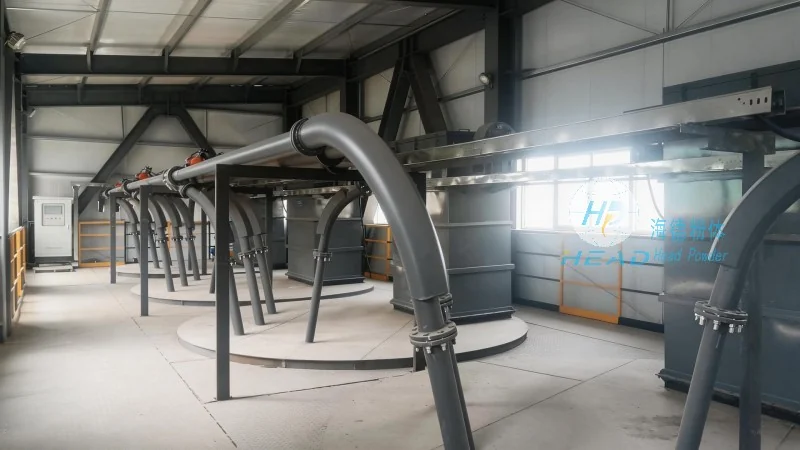
Key Components and Their Functions
A typical gelatin material pneumatic conveying line consists of several critical components, each playing a vital role in the overall operation. These components include the material feed hopper, which holds the gelatin and controls the discharge rate; the air compressor or vacuum pump, which provides the necessary pressure or vacuum; the conveying pipes, which transport the material; the control valves, which regulate the flow of air and material; and the dust collectors or filters, which ensure air quality and prevent material loss. The material feed hopper is designed with a discharge valve to maintain a consistent material level, while the air compressor ensures a stable pressure supply. The conveying pipes are typically made of stainless steel or other corrosion-resistant materials to handle gelatin’s potential moisture content and prevent contamination. Control valves, such as rotary valves or butterfly valves, are used to regulate the air flow and material discharge, allowing for precise control over the conveying process. Dust collectors, equipped with filters or cyclones, capture any fine particles released during the process, ensuring compliance with environmental regulations and maintaining air quality in the workplace.
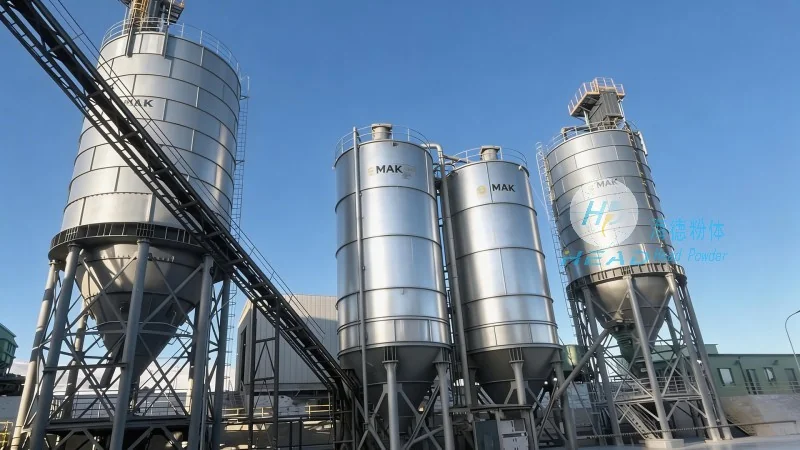
Operation Process of the Conveying Line
The operation of a gelatin material pneumatic conveying line involves several sequential steps to ensure efficient and safe material transport. The process begins with the loading of gelatin into the material feed hopper. The hopper is equipped with a level indicator to monitor the material volume, and a discharge valve controls the flow rate. Simultaneously, the air compressor starts, providing the required pressure to the system. The compressed air is then introduced into the conveying pipe at the inlet, creating a high-pressure environment. As the air flows through the pipe, it entrains the gelatin particles, forming a slurry-like mixture that moves forward. The material is transported to the destination point, such as a storage silo or processing unit, where the air and material are separated. The air is then filtered and released, while the gelatin is collected in the receiving container. The system is equipped with sensors and control panels to monitor pressure, flow rate, and material level, allowing operators to adjust parameters in real-time. This closed-loop system ensures that the conveying process is continuous, efficient, and safe, minimizing downtime and maximizing productivity.
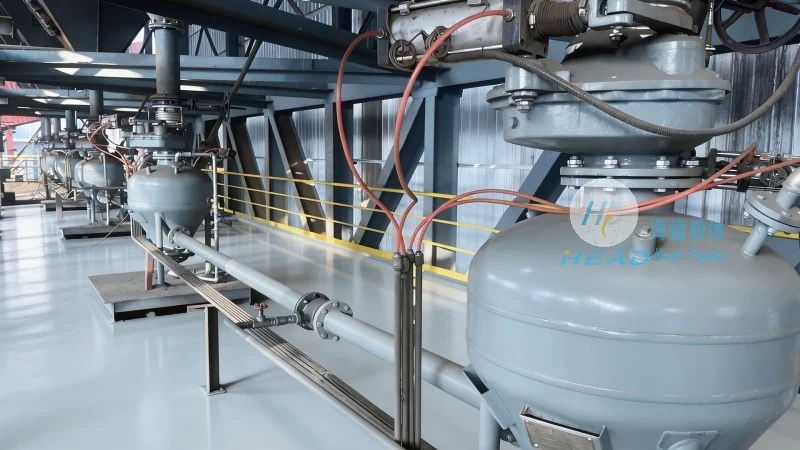
Advantages of Pneumatic Conveying for Gelatin
Compared to traditional mechanical conveying methods, pneumatic conveying offers several advantages when handling gelatin materials. First, it eliminates the need for mechanical components like belts or buckets, reducing the risk of material contamination and degradation. Gelatin is a delicate material that can be easily damaged by friction or mechanical stress, and pneumatic systems minimize these risks by using air as the conveying medium. Second, pneumatic conveying allows for precise control over material flow and pressure, ensuring consistent delivery to downstream processes. This is particularly important in the food and pharmaceutical industries, where uniform material quality is critical for product consistency. Third, the system is flexible and can be easily expanded or modified to accommodate changes in production volume or material type. Headpowder’s customized solutions can be adapted to meet the specific requirements of each client, providing scalability and adaptability. Fourth, pneumatic conveying reduces labor costs and improves workplace safety by automating the material handling process. The absence of moving parts reduces the risk of accidents and minimizes the need for manual handling, which is especially beneficial when dealing with potentially hazardous or sensitive materials like gelatin.
Applications and Industries
Gelatin material pneumatic conveying lines are widely used in various industries that require the handling of gelatin and related products. In the food industry, these systems are commonly used in the production of gelatin-based products such as jellies, gummies, and candies. The systems transport gelatin from storage silos to processing lines, ensuring a continuous supply of raw material. In the pharmaceutical industry, pneumatic conveying is used to transport gelatin for the manufacturing of capsules, tablets, and other medicinal products. The systems maintain a sterile environment and prevent contamination, which is crucial for pharmaceutical applications. Additionally, in the chemical industry, gelatin is used as a binding agent or thickener, and pneumatic conveying systems are used to transport it to production lines. The systems are also used in the cosmetic industry for the production of gelatin-based creams and lotions. Overall, the versatility of pneumatic conveying makes it suitable for a wide range of applications, and Headpowder’s solutions cater to the diverse needs of these industries.