

Operation Process and Working Principle of Automatic Weighing Material Pneumatic Conveying System
Shandong HeadPowder Engineering Co., Ltd., commonly known as headpowder, is a professional manufacturer specializing in the design, development, and production of advanced material handling equipment. With a focus on precision and efficiency, the company has established itself as a leading provider in the field of pneumatic conveying systems, particularly those equipped with automatic weighing capabilities. HeadPowder's facilities are located in Shandong, China, where the company leverages local resources and expertise to deliver high-quality solutions tailored to diverse industrial needs.
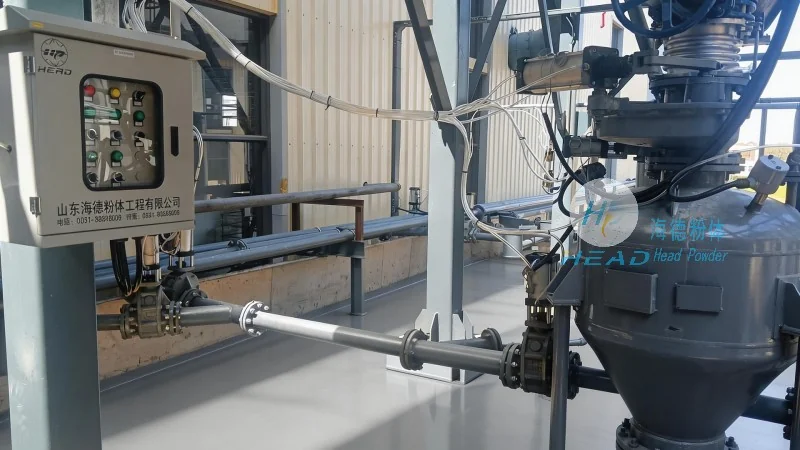
Introduction to the Automatic Weighing Material Pneumatic Conveying System
The automatic weighing material pneumatic conveying system is a sophisticated piece of industrial equipment designed to transport bulk materials through an air-powered system while simultaneously providing precise weight measurement. This system integrates pneumatic conveying technology with advanced weighing mechanisms, enabling seamless material transfer from source to destination with real-time weight monitoring. The system is engineered to handle a wide range of materials, including powders, granules, and other bulk solids, making it suitable for applications in sectors such as pharmaceuticals, food processing, chemical manufacturing, and more. By combining the efficiency of pneumatic transport with the accuracy of automated weighing, this system enhances operational productivity and ensures compliance with quality control standards.
Key Components of the System
The automatic weighing material pneumatic conveying system comprises several critical components that work in tandem to achieve its objectives. These include a material hopper or feeder, an air compressor or blower, a conveying pipeline, a weighing hopper or scale, and a control system. The material hopper is responsible for storing and feeding the bulk material into the system, ensuring a consistent flow. The air compressor generates the necessary air pressure to move the material through the pipeline. The conveying pipeline, typically made of stainless steel or other corrosion-resistant materials, transports the material from the hopper to the weighing unit. The weighing hopper, equipped with a load cell and digital scale, measures the weight of the material as it is conveyed. The control system, often integrated with a programmable logic controller (PLC), manages the entire operation, including material flow, air pressure, and weight data recording. Each component is carefully selected and designed to withstand the demands of continuous industrial use, ensuring durability and reliability.
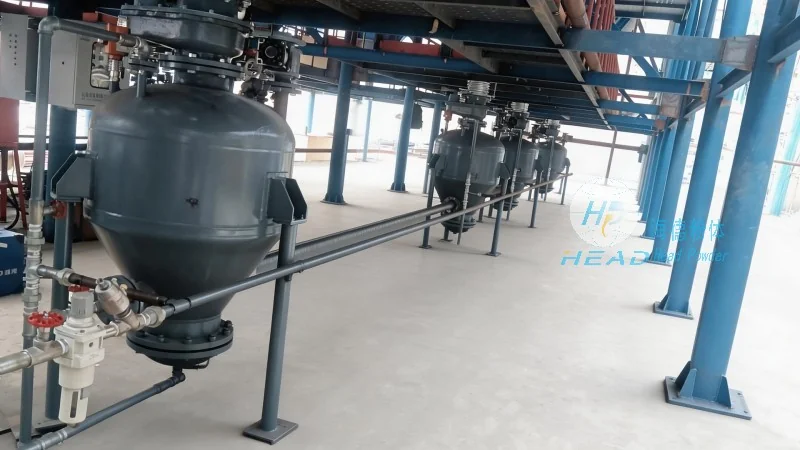
Operation Process of the System
The operation of the automatic weighing material pneumatic conveying system follows a systematic sequence to ensure efficient material handling and accurate weight measurement. The process begins with the loading of bulk material into the material hopper. Once the hopper is filled, the control system activates the air compressor, which generates the required air pressure. The material is then released from the hopper into the conveying pipeline, where it is carried by the airflow to the weighing hopper. As the material enters the weighing hopper, the load cell detects the weight and transmits the data to the control system. The control system processes the weight data in real-time, allowing operators to monitor the material flow and adjust parameters as needed. The system can be programmed to stop conveying when a target weight is reached or to continue based on predefined thresholds. After the weighing cycle is complete, the material is discharged from the weighing hopper into the receiving container. The entire operation is automated, minimizing the need for manual intervention and reducing the risk of human error. The system also features safety mechanisms, such as pressure relief valves and emergency stop buttons, to ensure safe operation in case of anomalies.
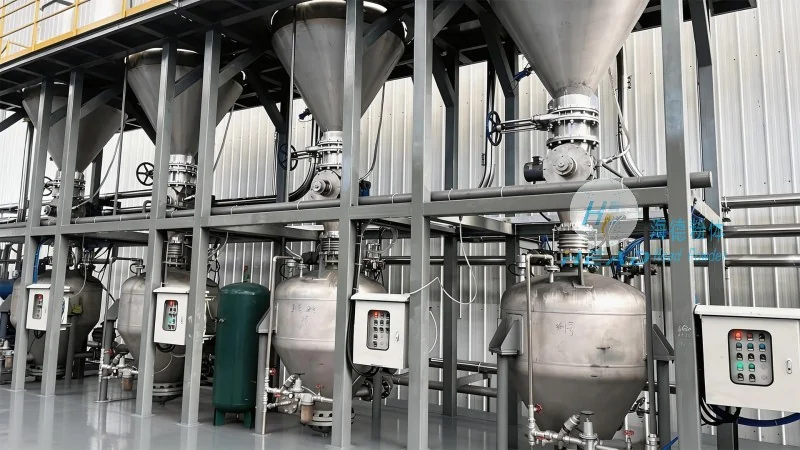
Working Principle of the System
The working principle of the automatic weighing material pneumatic conveying system is based on the principles of pneumatic transport and mechanical weighing. Pneumatic conveying relies on the movement of air to transport materials through a pipeline. In this system, the air compressor creates a pressure differential between the hopper and the weighing hopper, causing the material to be drawn into the pipeline and transported to the weighing unit. The air flow is carefully controlled to maintain a consistent velocity, ensuring the material is conveyed smoothly without blockages or degradation. The weighing mechanism operates by measuring the force exerted by the material on the load cell. The load cell converts this force into an electrical signal, which is then processed by the control system to calculate the weight. The digital scale provides real-time weight readings, which can be displayed on a user interface or logged for later analysis. The control system integrates the weight data with the material flow rate, allowing for precise measurement of the quantity being conveyed. This integration ensures that the system can accurately track the amount of material transferred, even during continuous operation. The system may also include features such as automatic calibration and data logging, enhancing its accuracy and usability.
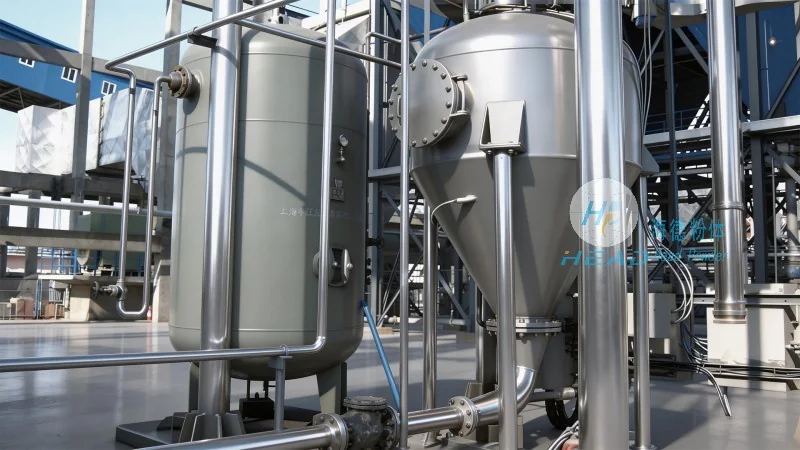
Advantages and Applications
The automatic weighing material pneumatic conveying system offers several advantages that make it a preferred choice in industrial applications. One of the primary benefits is the combination of efficient material transport with accurate weight measurement, which improves operational efficiency and reduces waste. The system minimizes the need for manual handling, enhancing workplace safety and reducing labor costs. Additionally, the automated nature of the system allows for consistent performance, ensuring that production processes are not interrupted by material shortages or overflows. The system is also versatile, capable of handling a wide range of materials and adapting to different production requirements. In the pharmaceutical industry, for example, the system can be used to transport and weigh active pharmaceutical ingredients (APIs) with high precision, meeting stringent quality standards. In the food processing sector, it can handle dry ingredients like flour or sugar while maintaining hygiene and cleanliness. The chemical manufacturing industry benefits from the system's ability to transport corrosive materials without damage to the equipment. Overall, the automatic weighing material pneumatic conveying system enhances productivity, ensures quality control, and contributes to cost savings in various industrial settings.
Conclusion
Shandong HeadPowder Engineering Co., Ltd. has developed the automatic weighing material pneumatic conveying system as a cutting-edge solution for modern material handling challenges. By integrating advanced pneumatic transport technology with precise weighing mechanisms, the system addresses the need for efficient, accurate, and automated material transfer in industrial applications. With its robust design, reliable performance, and adaptability to diverse materials, the system is a valuable asset for companies seeking to optimize their production processes. HeadPowder's commitment to quality and innovation ensures that the system meets the highest standards of industrial equipment, providing customers with a reliable and efficient solution for their material handling needs.